

CRISPR Boosts Maize Resistance to Southern Corn Rust
September 30, 2026| |
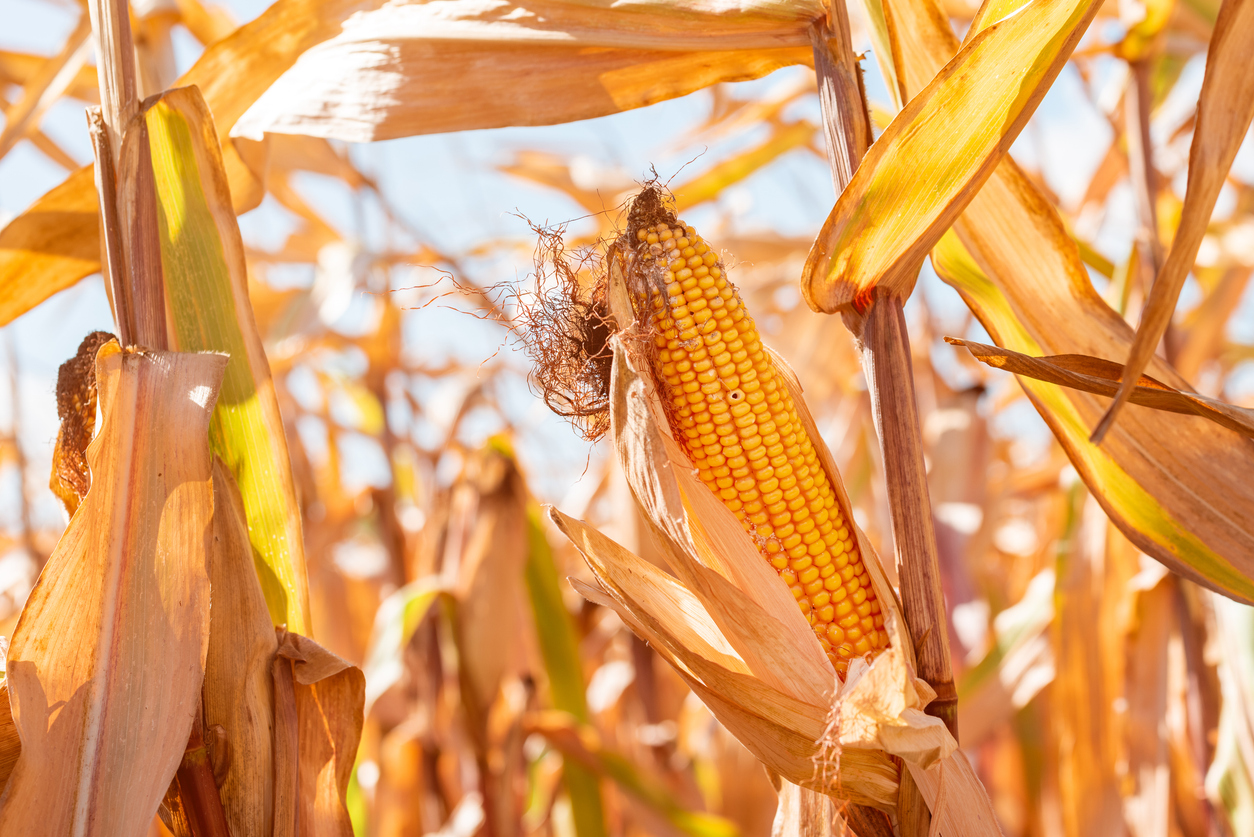
Researchers from Jilin Academy of Agricultural Sciences and partners have investigated the role of ZmJAZ12 in maize resistance to southern corn rust (SCR). Caused by the fungus Puccinia polysora, SCR is a major disease that can reduce maize yields worldwide. The study reveals significant insights into how ZmJAZ12 influences the plant's defense responses and its potential for use in maize breeding.
The researchers developed maize plants that either overexpressed or lacked the gene using CRISPR-Cas9 gene editing. The study found that maize plants overexpressing the gene showed increased disease susceptibility, while plants in which ZmJAZ12 was knocked out were more resistant. Further analysis showed that ZmJAZ12 interacts with ZmMYC5, a transcription factor involved in jasmonic acid (JA) signaling.
The findings showed that ZmJAZ12 suppresses defense responses by affecting both JA and salicylic acid (SA) signaling pathways. Resistant maize varieties had lower ZmJAZ12 activity, suggesting that the gene functions as a susceptibility factor. The researchers said ZmJAZ12 could serve as a potential target for breeding maize with improved resistance to southern corn rust.
For more information, read the study from Molecular Plant Pathology.
| |
You might also like:
- Precise Base Editing of Acetolactate Synthase Genes Confers Herbicide Resistance in Maize
- CRISPR Improves Resistance of Soybeans to Soybean Mosaic Virus
- Pocket K No. 54: Plant Breeding Innovation: CRISPR-Cas9
Biotech Updates is a weekly newsletter of ISAAA, a not-for-profit organization. It is distributed for free to over 22,000 subscribers worldwide to inform them about the key developments in biosciences, especially in biotechnology. Your support will help us in our mission to feed the world with knowledge. You can help by donating as little as $10.
-
See more articles:
-
Plant
- CRISPR-Cas9 Editing Opens New Paths for Forage Improvement
- Study Identifies Genes That Control Dwarf Apple Growth
- Scientists Fine-tune Rice Texture Using Prime Editing
- Researchers Identify Wild Papaya Genes to Boost Plant Drought Resilience
- USDA Seeks Public Comments on Two Genetically Engineered Cotton Varieties
- Scientists Crack Pumpkin Genome, Unlocking Genetic Blueprint for Better Crops
- Smallholders in the Global Arena: The Socio-Economic Impact of GM Adoption in Indonesia and Beyond
- ERS Reports Continued Increase in Farmer Adoption of Genetically Engineered Crops
-
Read the latest: - Biotech Updates (September 30, 2026)
- Gene Editing Supplement (September 30, 2026)
- Gene Drive Supplement (February 22, 2023)
-
Subscribe to BU: - Share
- Tweet