

Researchers Identify Wild Papaya Genes to Boost Plant Drought Resilience
September 30, 2026| |
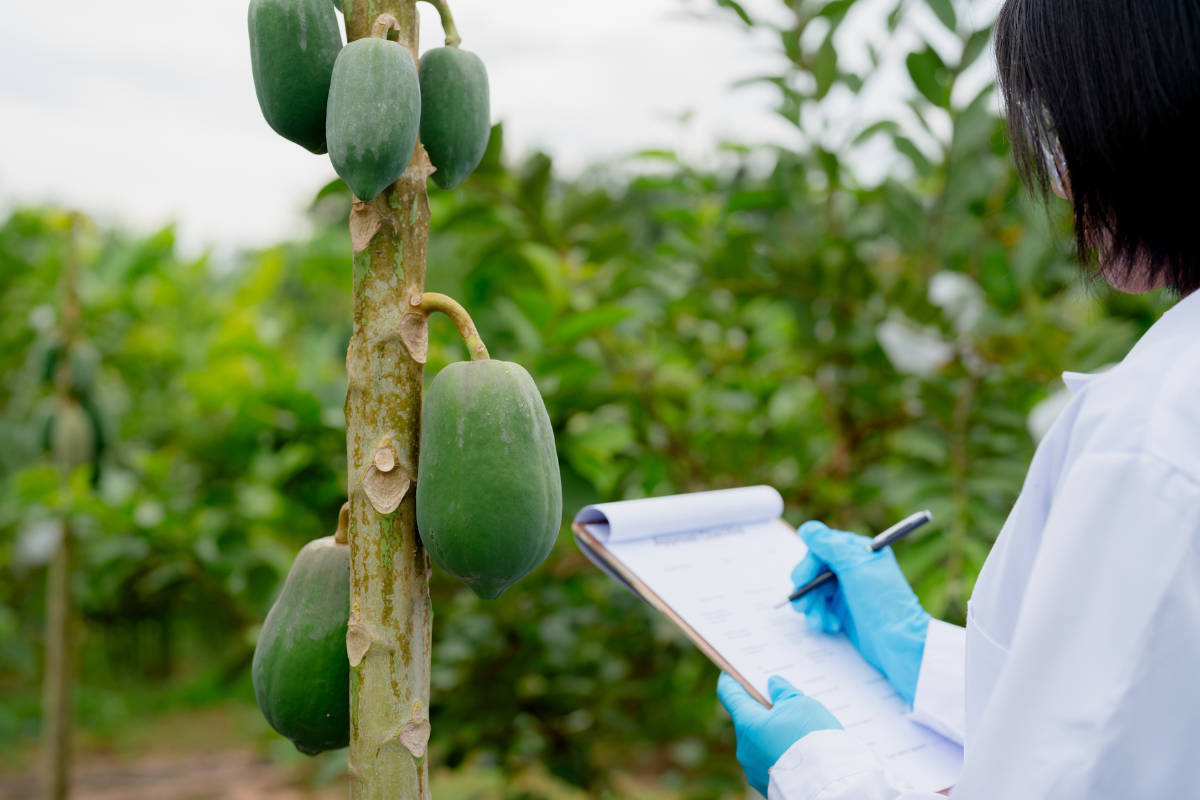
A team of researchers from Mexico have identified key stress-response genes from a drought-tolerant wild papaya (Carica papaya) genotype that significantly enhance water-deficit resilience when expressed in model plants. By isolating the transcription factor genes CpMYB94 and CpSHN1 from wild relative populations, the team showed that reintroducing native wild traits can help cultivated crops survive long periods of drought without losing vital metabolic function.
To evaluate the protective role of the genes, the researchers expressed the wild papaya genes in transgenic Arabidopsis thaliana plants, and subsequently subjected them to 14 days of water-deficit stress. While the wild-type control plants failed to recover from the severe water shortage, the engineered lines expressing either CpMYB94 or CpSHN1 maintained higher photosynthetic activity and successfully recovered. Molecular tracking confirmed that CpMYB94 expression strongly correlates with increased abscisic acid accumulation, a core plant hormone that triggers protective physiological responses during drought.
Comparative transcriptomic surveys revealed that these protective gene variants are heavily expressed in wild papaya collected from its native center of origin, but have been substantially diminished in commercial papaya cultivars over generations of domestication. Unlocking these native survival mechanisms provides plant breeders with valuable genetic targets to restore climate resilience in commercial fruit crops and broader agricultural species facing intensifying water stress.
For more information, read the full study in Horticulture, Environment and Biotechnology.| |
Biotech Updates is a weekly newsletter of ISAAA, a not-for-profit organization. It is distributed for free to over 22,000 subscribers worldwide to inform them about the key developments in biosciences, especially in biotechnology. Your support will help us in our mission to feed the world with knowledge. You can help by donating as little as $10.
-
See more articles:
-
Plant
- CRISPR-Cas9 Editing Opens New Paths for Forage Improvement
- Study Identifies Genes That Control Dwarf Apple Growth
- Scientists Fine-tune Rice Texture Using Prime Editing
- Researchers Identify Wild Papaya Genes to Boost Plant Drought Resilience
- USDA Seeks Public Comments on Two Genetically Engineered Cotton Varieties
- Scientists Crack Pumpkin Genome, Unlocking Genetic Blueprint for Better Crops
- Smallholders in the Global Arena: The Socio-Economic Impact of GM Adoption in Indonesia and Beyond
- ERS Reports Continued Increase in Farmer Adoption of Genetically Engineered Crops
-
Read the latest: - Biotech Updates (September 30, 2026)
- Gene Editing Supplement (September 30, 2026)
- Gene Drive Supplement (February 22, 2023)
-
Subscribe to BU: - Share
- Tweet