

Scientists Crack Pumpkin Genome, Unlocking Genetic Blueprint for Better Crops
September 30, 2026| |
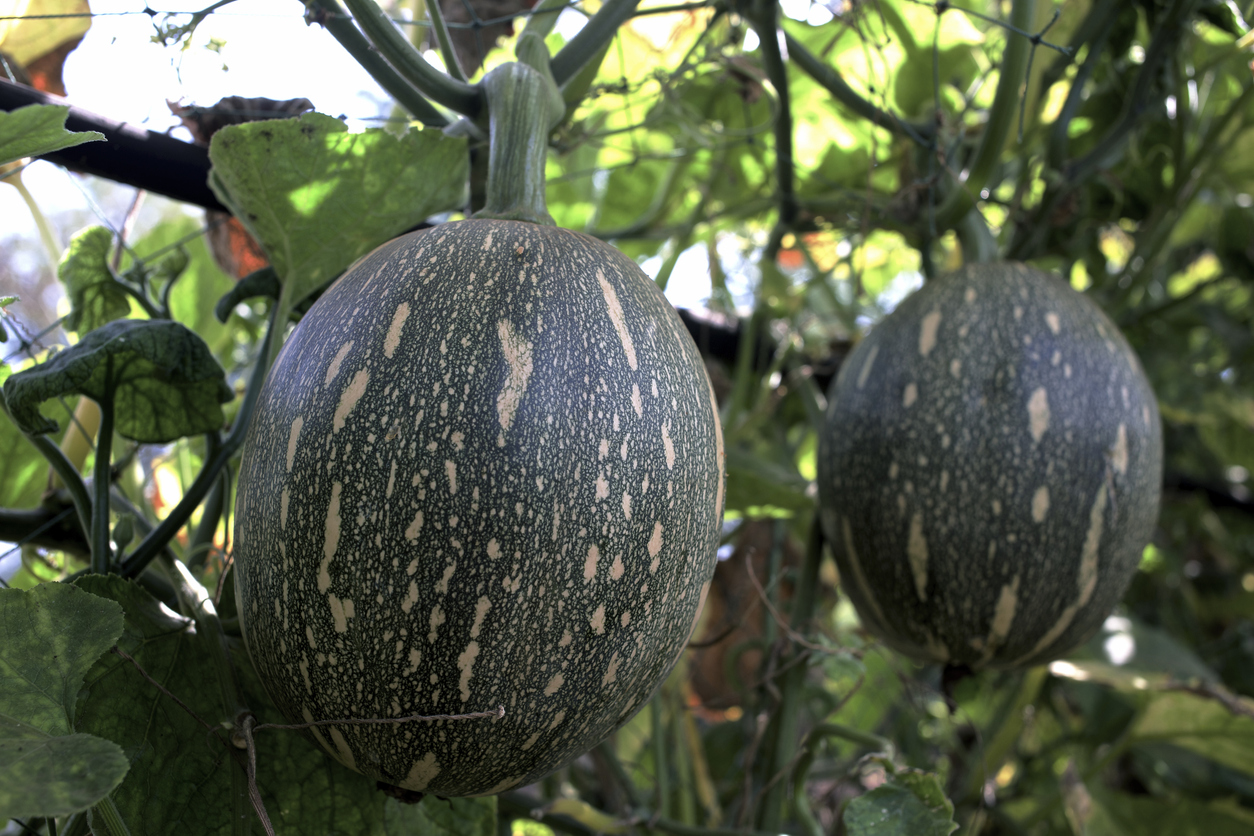
Scientists have assembled the first near-complete, telomere-to-telomere (T2T) genome for the pumpkin. For years, pumpkin breeding was hindered by fragmented genetic maps full of gaps that obscured the precise genes governing fruit shape, sweetness, and yield. In a study published in Horticulture Research, researchers from Guangdong Academy of Agricultural Sciences and Huazhong Agricultural University resolved these long-standing blind spots, creating an ultra-precise 289.6-megabase genome map across all 20 pumpkin chromosomes with just eight remaining gaps, down from more than 10,000 in previous versions.
By pairing this complete reference map with genetic data from 200 pumpkin offspring, the team successfully screened 20 key fruit traits and pinpointed 165 quantitative trait loci (QTLs). Most notably, they isolated two specific candidate genes driving pumpkin development, a β-tubulin gene that acts as a structural switch determining whether a pumpkin grows wide or elongated, and an auxin-responsive IAA9 gene linked to flesh thickness. The ability to view the genome end-to-end transformed what used to be broad estimates into exact molecular targets, opening unprecedented insight into how pumpkin traits are expressed.
The discovery offers a powerful roadmap for modern agriculture, enabling breeders to use marker-assisted selection and gene editing to raise superior crops. Instead of waiting months for field harvests to observe results, breeders can now screen young seedlings for ideal fruit shape, higher sugar content, and enhanced nutrition early in the growing cycle. Beyond improving crop yield and flavor, this high-resolution T2T reference provides a foundation for developing hardier pumpkin varieties resistant to diseases and environmental stress.
For more details, read the news release from the Chinese Academy of Sciences.
| |
You might also like:
- Pumpkin Genome Sequence Now Available
- Studies Show How Microbiome Affects Breeding of Apples and Oil Pumpkins
- Gene from Bottlegourd May Help Control Watermelon Virus
Biotech Updates is a weekly newsletter of ISAAA, a not-for-profit organization. It is distributed for free to over 22,000 subscribers worldwide to inform them about the key developments in biosciences, especially in biotechnology. Your support will help us in our mission to feed the world with knowledge. You can help by donating as little as $10.
-
See more articles:
-
Plant
- CRISPR-Cas9 Editing Opens New Paths for Forage Improvement
- Study Identifies Genes That Control Dwarf Apple Growth
- Scientists Fine-tune Rice Texture Using Prime Editing
- Researchers Identify Wild Papaya Genes to Boost Plant Drought Resilience
- USDA Seeks Public Comments on Two Genetically Engineered Cotton Varieties
- Scientists Crack Pumpkin Genome, Unlocking Genetic Blueprint for Better Crops
- Smallholders in the Global Arena: The Socio-Economic Impact of GM Adoption in Indonesia and Beyond
- ERS Reports Continued Increase in Farmer Adoption of Genetically Engineered Crops
-
Read the latest: - Biotech Updates (September 30, 2026)
- Gene Editing Supplement (September 30, 2026)
- Gene Drive Supplement (February 22, 2023)
-
Subscribe to BU: - Share
- Tweet