

Global Peanut Pangenome Unlocks High-Yield Dwarf Line to Boost World Food Security
September 16, 2026| |
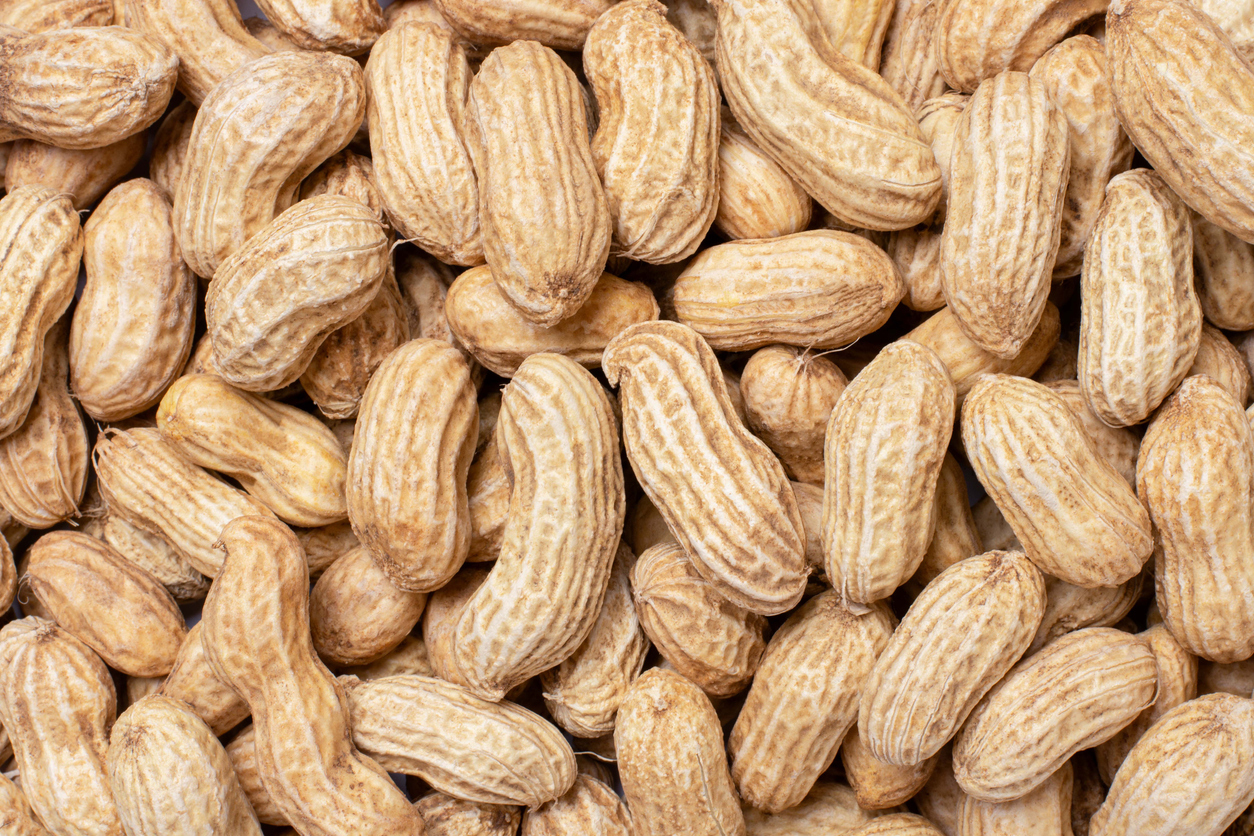
An international research team led by the Shandong Academy of Agricultural Sciences in China and in collaboration with Murdoch University's Centre for Crop and Food Innovation, the International Crops Research Institute for the Semi-Arid Tropics (ICRISAT), Guangxi Academy of Agricultural Sciences, the Chinese Academy of Agricultural Sciences and the Henan Academy of Agricultural Sciences has constructed the most comprehensive pangenome of peanut to date.
Published in Nature Genetics, the team assembled 10 reference-quality genomes covering all six botanical varieties of cultivated peanut. By resequencing 2,320 accessions from 87 countries from the germplasm collections of ICRISAT and the US Department of Agriculture, the global team successfully bypassed the evolutionary bottlenecks that previously restricted peanut breeding and crop improvement. Using this expansive map, researchers identified two critical genes governing plant architecture. The first gene controls flower placement, which determines overall plant shape and pod setting, while the other gene regulates height and internode length. By targeting these mechanisms, scientists crossed a naturally dwarf peanut line with a high-yielding Chinese variety. The resulting offspring, designated LuAi-1, stands at roughly half the height of its parent plant but demonstrated a remarkable 20 percent increase in crop yield during dense-planting field trials.
This breakthrough has produced the world's first true "semi-dwarf" peanut line, mirroring the revolutionary cereal varieties that drove the Green Revolution in wheat and rice. Led by insights from Professor Rajeev Varshney, Professor Peter Davies, and Professor Peter Eastwood, the study highlights how sturdier, compact plants enable denser field planting and simpler mechanized harvesting. Because peanuts serve as a vital staple for cooking oil and protein across South Asia and Africa, translating these genomic findings directly into the field offers a transformative pathway toward enhanced food security for millions of smallholder farmers.
For more details, read the news release from Murdoch University News.
| |
You might also like:
- Clemson Scientists Discover Reduced-Allergen Peanut Lines
- First Gap-Free Peanut Genomes Reveal Genes for Bigger Seeds and Better Oils
- Researchers Work on Making Wheat and Peanuts Less Allergenic
Biotech Updates is a weekly newsletter of ISAAA, a not-for-profit organization. It is distributed for free to over 22,000 subscribers worldwide to inform them about the key developments in biosciences, especially in biotechnology. Your support will help us in our mission to feed the world with knowledge. You can help by donating as little as $10.
-
See more articles:
-
Plant
- CRISPR-Combo Speeds Up Gene Editing in Hard-to-Breed Perennial Crops
- Novel Diagnostic Tool to Detect Living Crop-Damaging Bacteria
- Indonesia Exempts GE Soybeans and Corn From Halal Certification
- Webinar: Global Impact of Commercialized Biotech/GM Crops
- CRISPR Editing Opens Path to Tear-Free Onions
- Study Links Institutional Trust to Greater Acceptance of GM Food
-
Food
- Global Peanut Pangenome Unlocks High-Yield Dwarf Line to Boost World Food Security
-
Environment
- ISAAA to Hold Hybrid Forum and Exhibit at 2026 National Biotechnology Week
-
Read the latest: - Biotech Updates (September 16, 2026)
- Gene Editing Supplement (August 26, 2026)
- Gene Drive Supplement (February 22, 2023)
-
Subscribe to BU: - Share
- Tweet