

CRISPR-Combo Speeds Up Gene Editing in Hard-to-Breed Perennial Crops
September 16, 2026| |
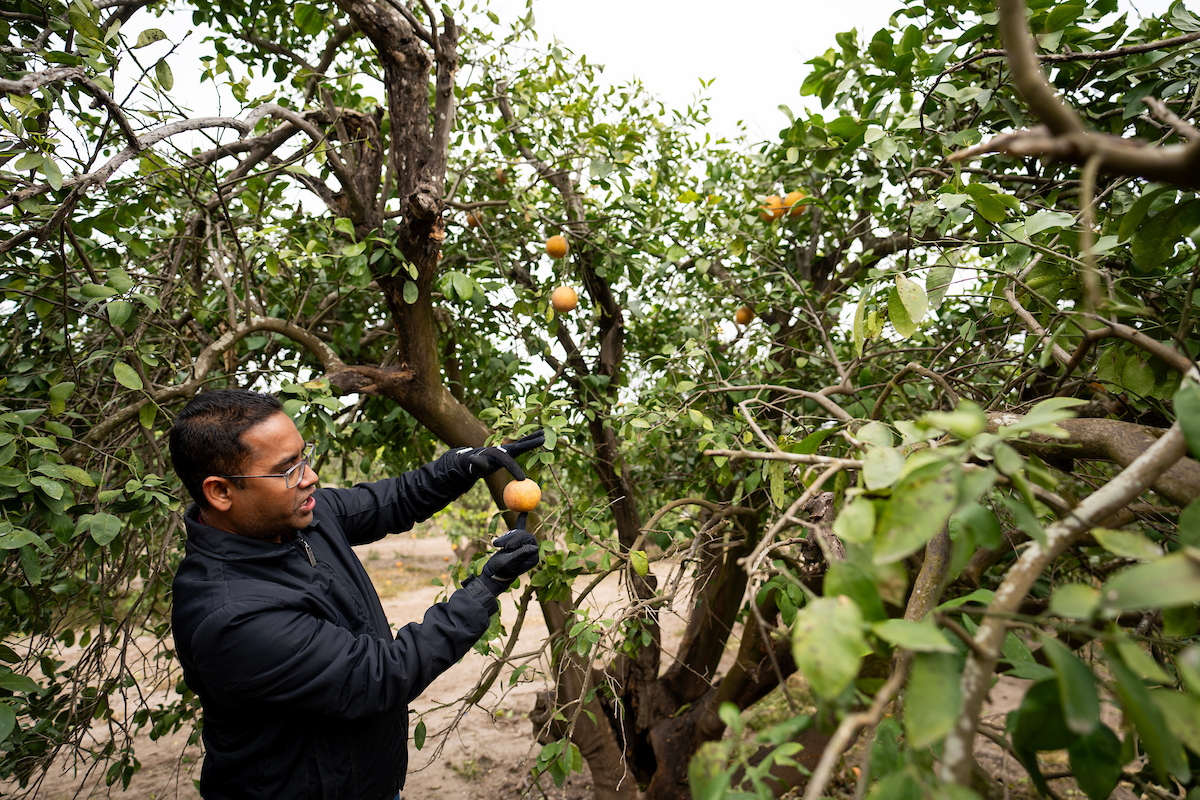
A study led by researchers at Texas A&M AgriLife Research, the University of Maryland, and the U.S. Department of Agriculture (USDA) has developed a gene editing system called CRISPR-Combo that could speed up the regeneration of whole plants from edited cells. The system combines gene editing with activation of the plant's own genes that control cell development to reduce the time needed to produce gene-edited perennial crops such as citrus, strawberry, and poplar.
The research team screened candidate morphogenic genes using a rapid hairy root system. In potatoes, they tested 17 genes and identified four that improved root formation, with three also increasing shoot regeneration efficiency to 45%-70%, compared with 30%-35% in controls. In citrus, five of 10 tested genes improved regeneration, raising shoot regeneration efficiency to 80% or higher compared with less than 60% in controls.
The team also found that activating two morphogenic genes together could further accelerate plant regeneration. In wild strawberry, the approach shortened production time by more than a month. In poplar, shoots regenerated in less than a month without external plant hormones, while edited plants showed higher biomass and no obvious abnormalities. The findings suggest CRISPR-Combo could help make gene editing more efficient across difficult-to-breed crops.
For more information, read the article from Texas A&M AgriLife.
| |
You might also like:
- New Method Allows CRISPR Gene Scissors to Detect RNA
- New CRISPR Tool Unlocks Potential to Combat Infectious Diseases
- New CRISPR-Like System Could Revolutionize Genome Editing
Biotech Updates is a weekly newsletter of ISAAA, a not-for-profit organization. It is distributed for free to over 22,000 subscribers worldwide to inform them about the key developments in biosciences, especially in biotechnology. Your support will help us in our mission to feed the world with knowledge. You can help by donating as little as $10.
-
See more articles:
-
Plant
- CRISPR-Combo Speeds Up Gene Editing in Hard-to-Breed Perennial Crops
- Novel Diagnostic Tool to Detect Living Crop-Damaging Bacteria
- Indonesia Exempts GE Soybeans and Corn From Halal Certification
- Webinar: Global Impact of Commercialized Biotech/GM Crops
- CRISPR Editing Opens Path to Tear-Free Onions
- Study Links Institutional Trust to Greater Acceptance of GM Food
-
Food
- Global Peanut Pangenome Unlocks High-Yield Dwarf Line to Boost World Food Security
-
Environment
- ISAAA to Hold Hybrid Forum and Exhibit at 2026 National Biotechnology Week
-
Read the latest: - Biotech Updates (September 16, 2026)
- Gene Editing Supplement (August 26, 2026)
- Gene Drive Supplement (February 22, 2023)
-
Subscribe to BU: - Share
- Tweet