

CRISPR Editing Opens Path to Tear-Free Onions
September 16, 2026| |
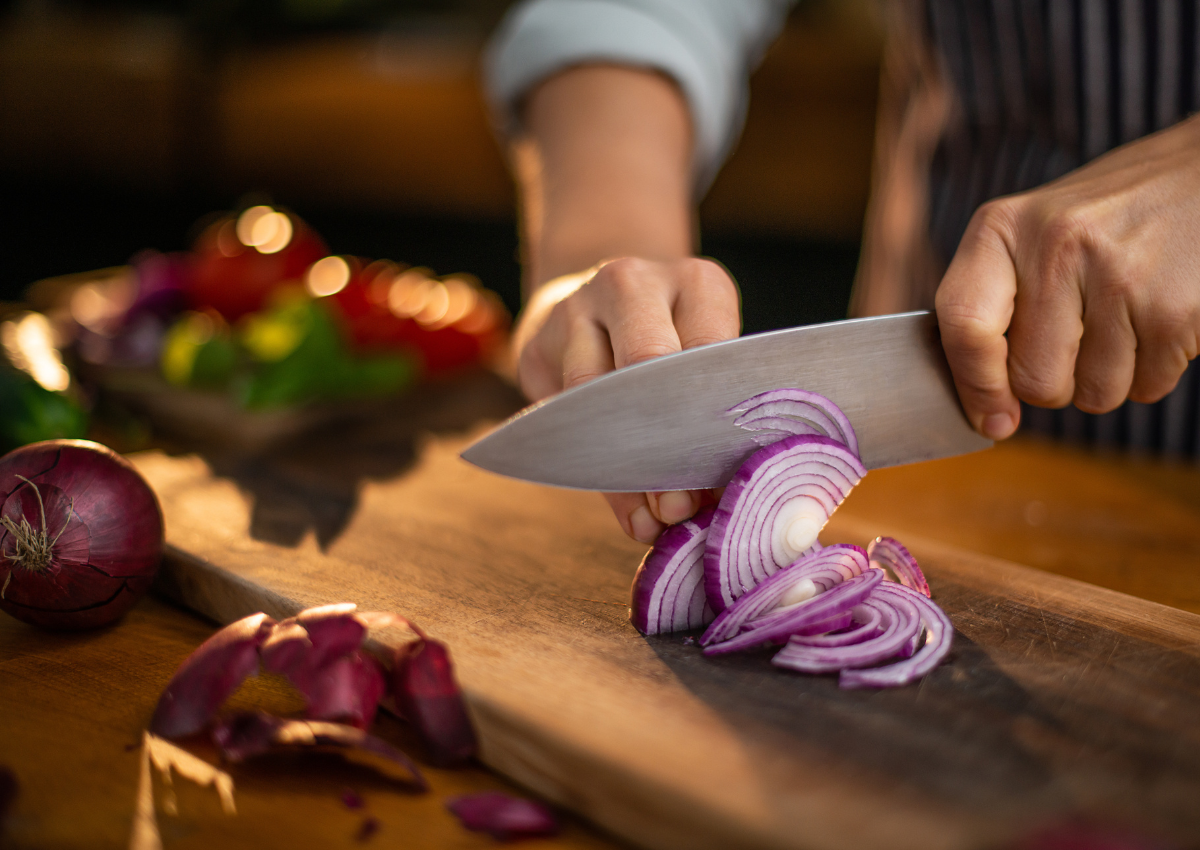
Scientists in Japan have unlocked a way to reduce the tear-inducing compounds in onions using CRISPR-Cas9 genome editing. By targeting and suppressing the lachrymatory factor synthase (LFS) gene, the research team successfully decreased the production of lachrymatory factor, which is the volatile chemical responsible for causing eye irritation when onions are cut. This achievement marks a milestone in onion improvement, as it is the first reported application of genome editing to modify an onion-specific trait.
To edit the target gene, root calluses were transformed using Agrobacterium carrying CRISPR tools and visual markers such as green fluorescent protein (GFP). High-performing callus lines were selected based on high and stable GFP expression. After verifying the successful mutations through molecular screening, the edited lines were regenerated using plant tissue culture. Subsequent testing confirmed that the modified plants had significantly reduced LFS enzyme activity in both their leaves and bulbs.
Although the edited plants showed morphological growth abnormalities and failed to set seed due to prolonged tissue culture, the study provides critical proof of concept for trait modification in onions. By continuing to refine these tissue culture and regeneration pathways, researchers could overcome these developmental hurdles to pave the way for commercially viable, tear-free onions with enhanced health-functional properties.
Read the abstract in Frontiers of Plant Science to learn more.
| |
Biotech Updates is a weekly newsletter of ISAAA, a not-for-profit organization. It is distributed for free to over 22,000 subscribers worldwide to inform them about the key developments in biosciences, especially in biotechnology. Your support will help us in our mission to feed the world with knowledge. You can help by donating as little as $10.
-
See more articles:
-
Plant
- CRISPR-Combo Speeds Up Gene Editing in Hard-to-Breed Perennial Crops
- Novel Diagnostic Tool to Detect Living Crop-Damaging Bacteria
- Indonesia Exempts GE Soybeans and Corn From Halal Certification
- Webinar: Global Impact of Commercialized Biotech/GM Crops
- CRISPR Editing Opens Path to Tear-Free Onions
- Study Links Institutional Trust to Greater Acceptance of GM Food
-
Food
- Global Peanut Pangenome Unlocks High-Yield Dwarf Line to Boost World Food Security
-
Environment
- ISAAA to Hold Hybrid Forum and Exhibit at 2026 National Biotechnology Week
-
Read the latest: - Biotech Updates (September 16, 2026)
- Gene Editing Supplement (August 26, 2026)
- Gene Drive Supplement (February 22, 2023)
-
Subscribe to BU: - Share
- Tweet