

Novel Diagnostic Tool to Detect Living Crop-Damaging Bacteria
September 16, 2026| |
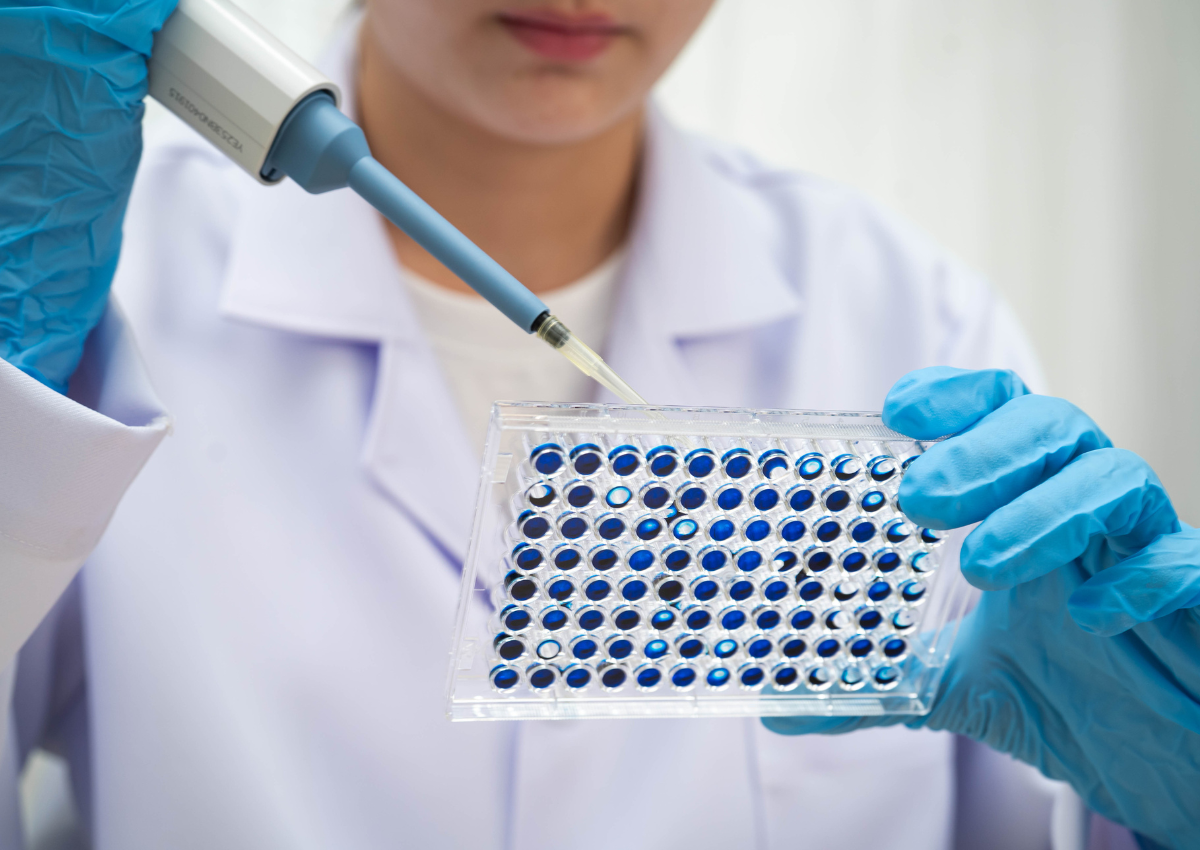
Scientists at Pennsylvania State University have developed a new diagnostic tool called the Enzyme-linked Chaperone Assay (ELCA) to detect Pseudomonas syringae, a bacterial pathogen affecting a wide range of crops. Unlike conventional antibody- or DNA-based assays, ELCA leverages effector proteins associated with live bacteria. By using these proteins as indicators of bacterial viability, the assay could improve the sensitivity and accuracy of pathogen detection by preferentially detecting live bacteria.
Bacterial chaperones were used to bind specific effector proteins involved in the infection process, producing a visible signal when the target is detected. Since these effector proteins are thought to be quickly degraded following bacterial death, substantially higher detection levels were observed in samples containing live bacteria than in those containing dead bacteria. Costs comparable to conventional enzyme-linked immunosorbent assays (ELISAs) were also reported, demonstrating the viability of using chaperone-effector interactions for pathogen detection.
This diagnostic approach could be adapted to detect other pathogens with comparable chaperone-effector systems relevant to agriculture, veterinary science, and human health. Further optimization of the assay, including reducing background signals, may help expand its potential applications in pathogen surveillance.
To learn more, read the full study in the Journal of Microbiological Methods.
| |
Biotech Updates is a weekly newsletter of ISAAA, a not-for-profit organization. It is distributed for free to over 22,000 subscribers worldwide to inform them about the key developments in biosciences, especially in biotechnology. Your support will help us in our mission to feed the world with knowledge. You can help by donating as little as $10.
-
See more articles:
-
Plant
- CRISPR-Combo Speeds Up Gene Editing in Hard-to-Breed Perennial Crops
- Novel Diagnostic Tool to Detect Living Crop-Damaging Bacteria
- Indonesia Exempts GE Soybeans and Corn From Halal Certification
- Webinar: Global Impact of Commercialized Biotech/GM Crops
- CRISPR Editing Opens Path to Tear-Free Onions
- Study Links Institutional Trust to Greater Acceptance of GM Food
-
Food
- Global Peanut Pangenome Unlocks High-Yield Dwarf Line to Boost World Food Security
-
Environment
- ISAAA to Hold Hybrid Forum and Exhibit at 2026 National Biotechnology Week
-
Read the latest: - Biotech Updates (September 16, 2026)
- Gene Editing Supplement (August 26, 2026)
- Gene Drive Supplement (February 22, 2023)
-
Subscribe to BU: - Share
- Tweet