

CRISPR Reduces Allergy Risk in Cultivated Beef Cells
May 27, 2026| |
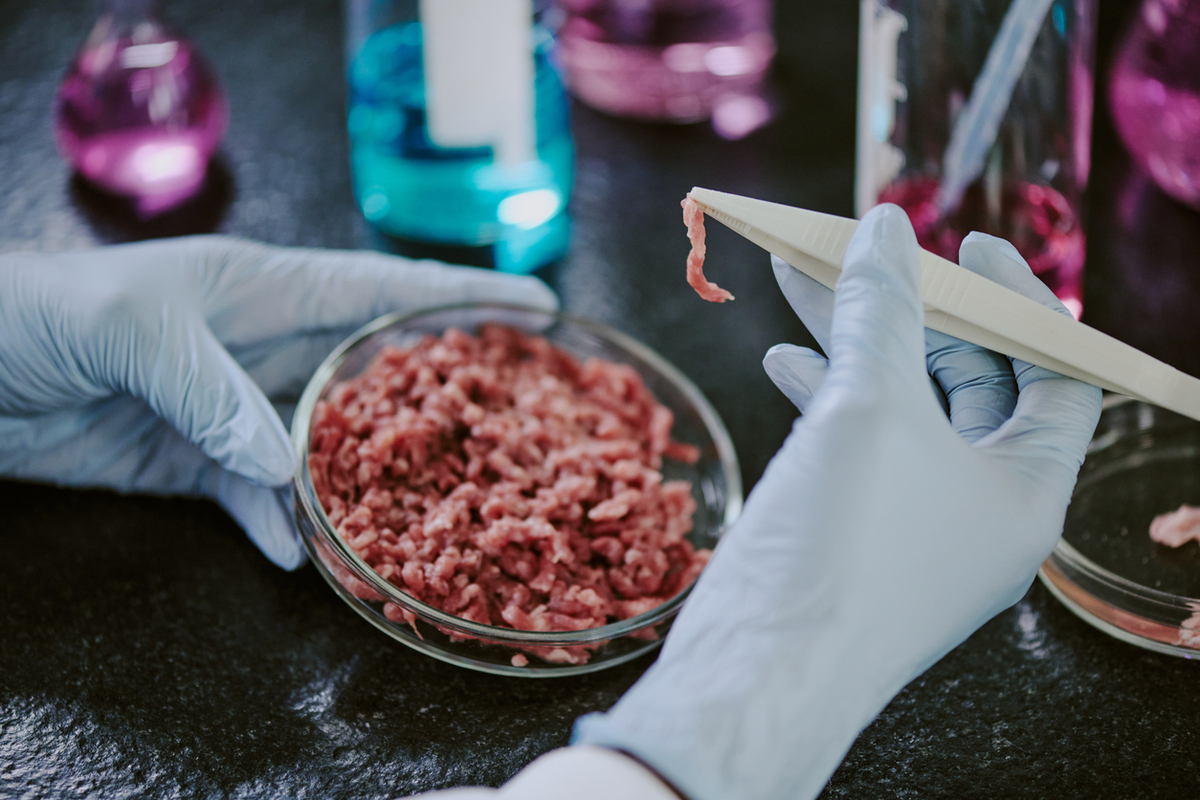
A new study used CRISPR-Cas9 gene editing to develop bovine muscle cells without alpha-gal, a sugar molecule linked to Alpha-Gal Syndrome (AGS), a potentially life-threatening allergy triggered by mammalian meat. The study presents a proof of concept for producing cultivated meat that may be safer for people affected by the condition.
The research team targeted the GGTA1 gene, which produces the enzyme responsible for creating the alpha-gal epitope in cattle cells. Using CRISPR, the researchers generated edited bovine muscle cells lacking the gene. Despite the genetic modification, the cells maintained myogenic identity and differentiation capacity.
The results showed that the edited cells elicited significantly lower basophil activation, indicating a reduced allergic potential. The researchers said the findings demonstrate how cultivated meat technologies could be used not only for food production but also to address specific health challenges. The study highlights the potential of gene-edited cultivated meat as a future alternative for individuals who cannot safely consume conventional red meat.
For more information, read the study from bioRxiv.
| |
You might also like:
- FSA Review Explores Consumer Responses to Cell-Cultivated Products
- Cell-Cultivated Fish Diminishes Seafood Allergy Risks
- ETH Zurich Experts Produce Cultivated Bovine Muscle Fibres
Biotech Updates is a weekly newsletter of ISAAA, a not-for-profit organization. It is distributed for free to over 22,000 subscribers worldwide to inform them about the key developments in biosciences, especially in biotechnology. Your support will help us in our mission to feed the world with knowledge. You can help by donating as little as $10.
-
See more articles:
-
Plant
- Indian Scientists Develop First AI-designed Genome Editing Tools for Crop Improvement
- Study Reveals Limited GMO Knowledge Among Jordanian Adults
- Ukraine to Harmonize GMO Regulations with EU by August 2026
- Pakistan Introduces Major Biosafety Reforms to GMO Regulation
-
Animal
- Gene Editing Improves Alkaline Tolerance in Grass Carp
-
Food
- FAO Report Calls for Urgent Coordinated Financing to Address Agrifood Challenges in Africa
- Scientists Uncover Genetic Secret Behind Stevia's Sweetness
- CRISPR Reduces Allergy Risk in Cultivated Beef Cells
-
Read the latest: - Biotech Updates (September 16, 2026)
- Gene Editing Supplement (August 26, 2026)
- Gene Drive Supplement (February 22, 2023)
-
Subscribe to BU: - Share
- Tweet