

Scientists Uncover Genetic Secret Behind Stevia's Sweetness
May 27, 2026| |
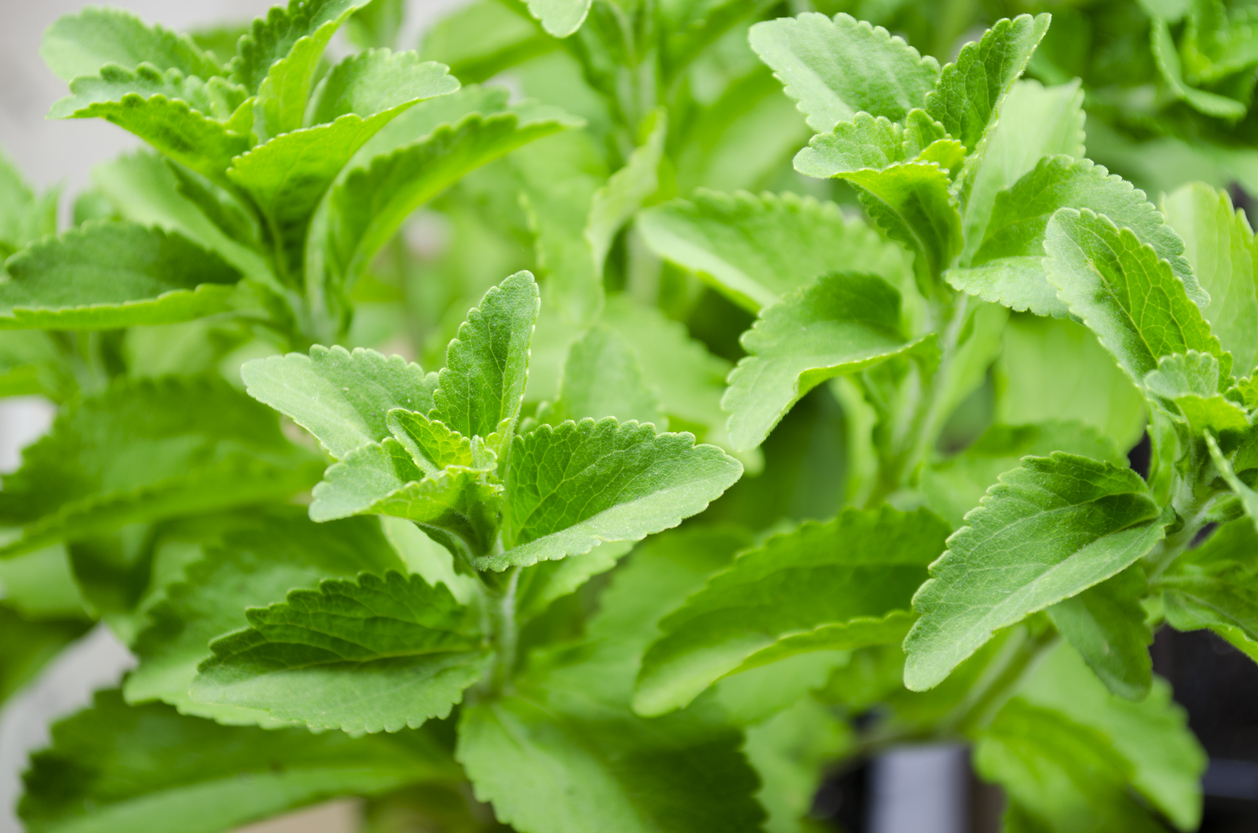
A new study from the University of Toyama has revealed why certain varieties of the natural sweetener stevia possess a cleaner, more sugar-like flavor than others. Sourced from the leaves of Stevia rebaudiana plant, stevia can be up to 300 times sweeter than regular sugar, though some varieties leave an undesirable bitter aftertaste. The research team discovered that stevia's sweetness is fundamentally determined by specific glycosyltransferase genes and their localized, cell-specific activity within the leaf structure.
Published in the journal New Phytologist, the study led by Professor Tsubasa Shoji from the university's Institute of Natural Medicine used advanced genetic analysis and cell-level imaging to decipher the plant's biological code. The researchers began by constructing a high-quality reference genome to completely map the plant's DNA, pinpointing the precise genes responsible for synthesizing sweet compounds. By incorporating single-nucleus RNA sequencing, they were able to track exactly where and how premium, highly sought-after sweet molecules—such as Rebaudioside D and M—are produced at the cellular level.
This breakthrough shifts the industry away from historical guesswork, proving that the distinct taste profiles of different stevia varieties are regulated by predictable genetic mechanisms rather than chance. By shedding light on how these high-value sweet compounds are manufactured inside the leaf, the findings open new doors for agricultural and food sciences. Researchers and manufacturers can now leverage these insights to cultivate optimized plant varieties, paving the way for better-tasting, higher-quality natural sweeteners for the global food and beverage industries.
For more details, read the article on the University of Toyama website.
| |
You might also like:
Biotech Updates is a weekly newsletter of ISAAA, a not-for-profit organization. It is distributed for free to over 22,000 subscribers worldwide to inform them about the key developments in biosciences, especially in biotechnology. Your support will help us in our mission to feed the world with knowledge. You can help by donating as little as $10.
-
See more articles:
-
Plant
- Indian Scientists Develop First AI-designed Genome Editing Tools for Crop Improvement
- Study Reveals Limited GMO Knowledge Among Jordanian Adults
- Ukraine to Harmonize GMO Regulations with EU by August 2026
- Pakistan Introduces Major Biosafety Reforms to GMO Regulation
-
Animal
- Gene Editing Improves Alkaline Tolerance in Grass Carp
-
Food
- FAO Report Calls for Urgent Coordinated Financing to Address Agrifood Challenges in Africa
- Scientists Uncover Genetic Secret Behind Stevia's Sweetness
- CRISPR Reduces Allergy Risk in Cultivated Beef Cells
-
Read the latest: - Biotech Updates (October 7, 2026)
- Gene Editing Supplement (September 30, 2026)
- Gene Drive Supplement (February 22, 2023)
-
Subscribe to BU: - Share
- Tweet