

Pakistan Introduces Major Biosafety Reforms to GMO Regulation
May 27, 2026| |
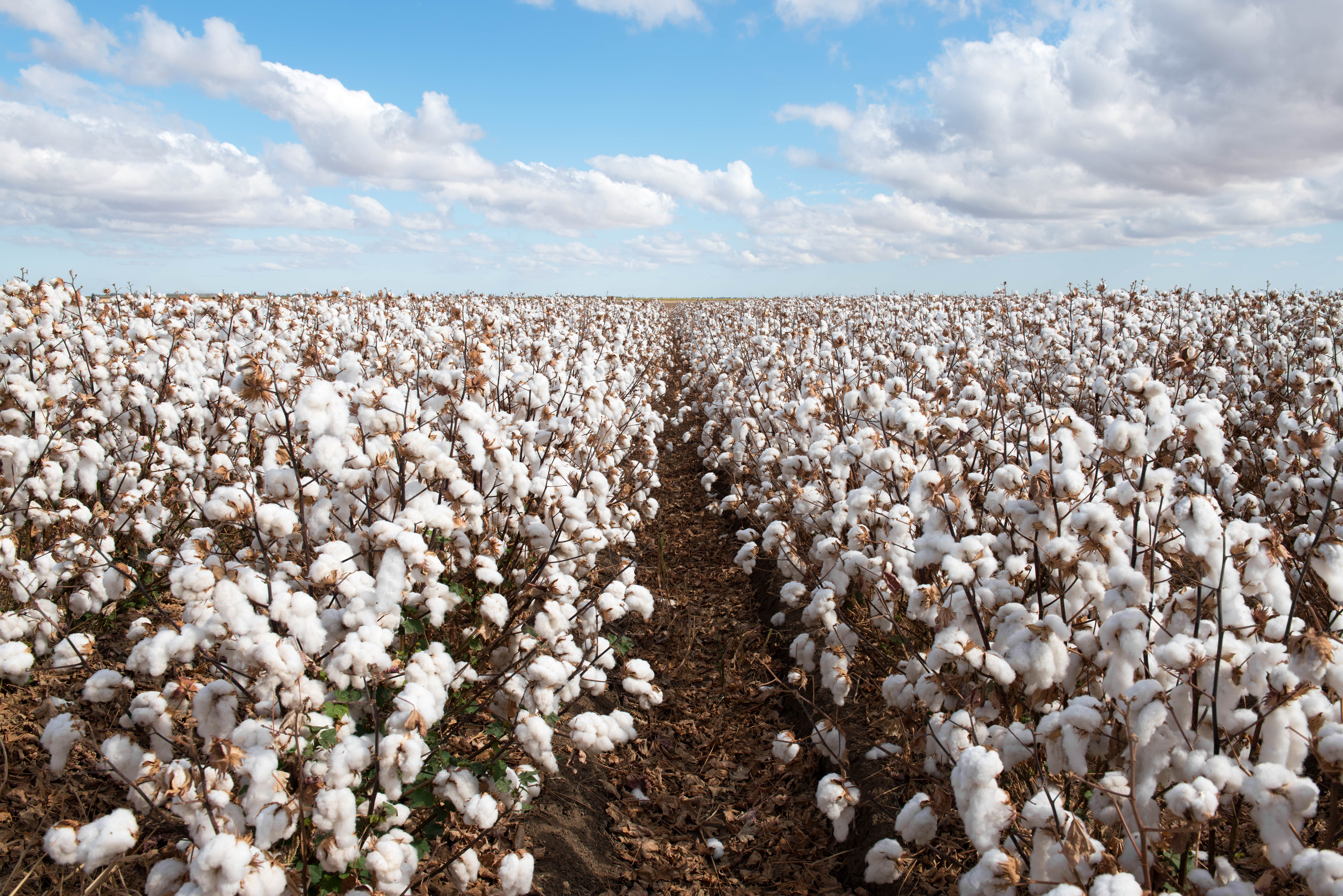
Pakistan's National Biosafety Committee has approved major amendments to the Pakistan Biosafety Rules 2005, significantly liberalizing its genetically modified organisms (GMO) regulatory regime. The reforms aim to transition the country toward a modern, science-based, and business-friendly governance system by simplifying licensing procedures, easing import restrictions, and facilitating laboratory research.
A critical aspect of this policy shift is the removal of the 2024 "sunset clause" that previously capped GMO imports until January 2027. Consequently, imports of GMO grains such as soybean and canola can now continue without a cut-off date, providing long-term security to Pakistan's edible oil and poultry industries. To further reduce bureaucratic hurdles and foster investment, the new framework allows multinational biotechnology companies to directly apply for specific GMO event licenses. Once approved, these licenses will be published online, granting all private importers the freedom to bring in the approved GMO grains without needing separate individual licenses.
Additionally, the reforms formally recognize advanced gene editing technologies and empower university and private institutional biosafety committees to independently approve student-led research. Government officials emphasize that these changes strike a vital balance between scientific safety and food security in a climate-stressed world, helping to position Pakistan alongside modernized international regulatory models.
For more details, read this article.
| |
You might also like:
- Pakistan Approves GM Sugarcane and GM Cotton for Commercialization and GM Canola for Food, Feed, and Processing
- Pakistan Grants Approval for Cultivation of GM Sugarcane
- GM Crop Events Approved in Pakistan
Biotech Updates is a weekly newsletter of ISAAA, a not-for-profit organization. It is distributed for free to over 22,000 subscribers worldwide to inform them about the key developments in biosciences, especially in biotechnology. Your support will help us in our mission to feed the world with knowledge. You can help by donating as little as $10.
-
See more articles:
-
Plant
- Indian Scientists Develop First AI-designed Genome Editing Tools for Crop Improvement
- Study Reveals Limited GMO Knowledge Among Jordanian Adults
- Ukraine to Harmonize GMO Regulations with EU by August 2026
- Pakistan Introduces Major Biosafety Reforms to GMO Regulation
-
Animal
- Gene Editing Improves Alkaline Tolerance in Grass Carp
-
Food
- FAO Report Calls for Urgent Coordinated Financing to Address Agrifood Challenges in Africa
- Scientists Uncover Genetic Secret Behind Stevia's Sweetness
- CRISPR Reduces Allergy Risk in Cultivated Beef Cells
-
Read the latest: - Biotech Updates (October 7, 2026)
- Gene Editing Supplement (September 30, 2026)
- Gene Drive Supplement (February 22, 2023)
-
Subscribe to BU: - Share
- Tweet