

Framing Biotech Benefits Matters When Introducing Gene-Edited Orange Juice to Consumers
October 21, 2026| |
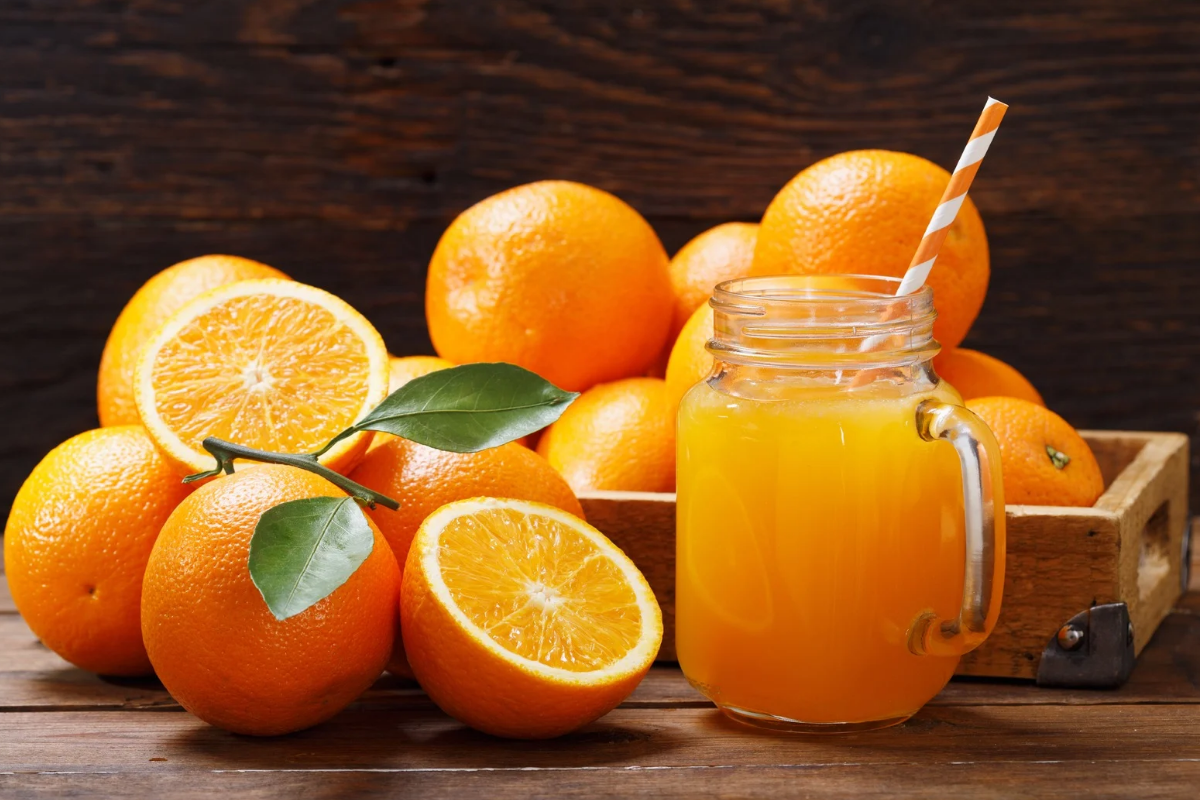
A study from the University of Florida examined how information framing influences consumer willingness to pay for biotechnology-derived foods. Researchers assessed how consumers valued bioengineered orange juice compared with Non-GMO Project Verified alternatives. They found that explaining how gene editing and bioengineering could help protect citrus trees from citrus greening, a disease devastating Florida's groves, reduced consumers' reluctance to pay for biotech-derived juice. The findings highlight how connecting biotechnology to real-world agricultural challenges can shape consumer perceptions.
The experiment revealed that making scientific concepts easy to understand is helpful, but explaining why the technology is needed matters even more. Without background information, shoppers expected bioengineered orange juice to cost $1.65 less per bottle than Non-GMO Project Verified juice. Plain-language explanations helped participants better understand the differences between gene editing and traditional genetic modification, but clarity alone did not increase what they were willing to pay. When researchers explained how these technologies could help protect citrus trees from citrus greening, a disease devastating Florida's groves, the price penalty fell to just $0.42 per bottle.
These findings offer a practical roadmap for food producers, scientists, and agricultural educators looking to build public trust in modern crop breeding. While transparent messaging reduces buyer hesitation, it does not completely eliminate the market preference for non-GMO choices. To successfully introduce disease-resistant crops, industry leaders must combine clear technical explanations with strong, problem-solving narratives that show how biotechnology directly protects the food supply.
Read the full study in the SSRN Electronic Journal to learn more.
| |
You might also like:
- Understanding Science Shapes Consumer Acceptance of NGT-Derived Wine
- How Do People Perceive GM and Gene-Edited Foods?
- Government Decisions Influence Consumer Perceptions towards GM Foods, Study
Biotech Updates is a weekly newsletter of ISAAA, a not-for-profit organization. It is distributed for free to over 22,000 subscribers worldwide to inform them about the key developments in biosciences, especially in biotechnology. Your support will help us in our mission to feed the world with knowledge. Support ISAAA by subscribing as a Premium or Elite Subscriber
-
See more articles:
-
Plant
- EFSA Releases Assessment of GM Maize Bt11 × MIR162 × MIR604 × GA21
- Engineered Plant Proteins to Enhance Immune Defenses of Cereal Crops Against Fungal Pathogens
- New Test Offers Faster Detection of Wheat Blast in Africa
- FSANZ Seeks Public Comment on GM Wheat With Higher Nicotianamine Levels
- Global Impact of GM Crops and Opportunities for Malaysia’s Agriculture and Trade
-
Animal
- Scientists Successfully Produce Gene-Edited Lambs Using Prime Editing
-
Food
- Framing Biotech Benefits Matters When Introducing Gene-Edited Orange Juice to Consumers
-
Environment
- Klima Storybook Expands Reach with Kapampangan Translation
-
Read the latest: - Biotech Updates (October 21, 2026)
- Gene Editing Supplement (September 30, 2026)
- Gene Drive Supplement (February 22, 2023)
-
Subscribe to BU: - Share
- Tweet