

Scientists Successfully Produce Gene-Edited Lambs Using Prime Editing
October 21, 2026| |
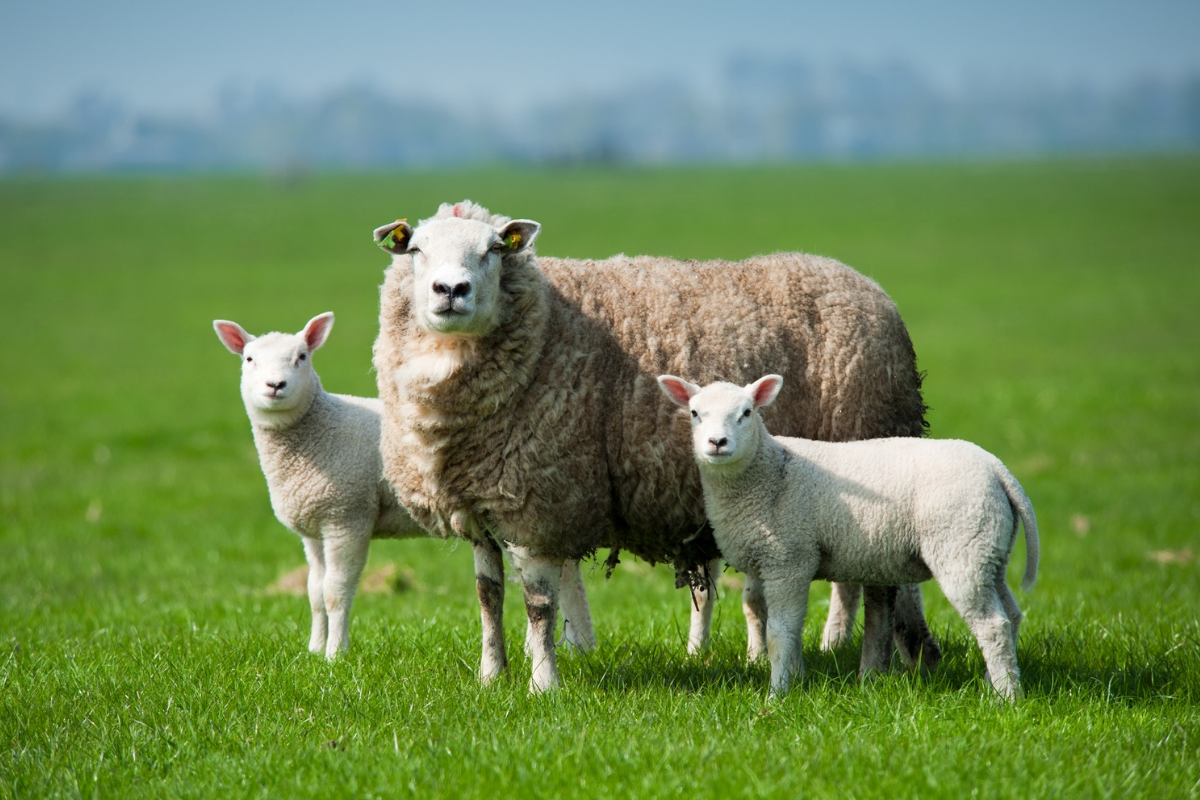
Scientists from China Agricultural University reached a milestone in animal biotechnology by developing a method for editing sheep genes using prime editing and electroporation, a technique that uses electrical pulses to deliver gene-editing components into embryos. The researchers targeted two genes linked to high-value livestock traits: TBXT, which influences tail development, and FecB, which affects ovulation rate and litter size. These traits could have game-changing benefits for sheep production, as shorter tails eliminate the need for surgical tail docking and significantly improve animal welfare, while enhanced reproductive performance could boost farm yields.
The researchers optimized the electrical pulse conditions and transferred 54 treated embryos, resulting in 14 live-born lambs. Genetic analysis confirmed that five lambs carried edits in a target gene: two lambs carried edits in the TBXT gene, while three lambs carried edits in FecB. Although both genes were targeted simultaneously, no lamb carried edits in both genes. In a striking proof-of-concept, one TBXT-edited lamb developed a tail measuring just 15 cm, compared with 24.5 cm in unedited sheep. However, whether the FecB edits will improve reproductive performance will only be determined as the lambs mature. No unintended DNA changes were detected at the predicted off-target sites examined, highlighting the technique's precision.
While further research is needed to improve editing efficiency and confirm whether the edited traits can be inherited, the findings highlight the transformative potential of prime editing and electroporation for precision livestock breeding. By offering an alternative way to deliver gene-editing tools into embryos, the platform could help accelerate the development of sheep with desirable traits, with potential benefits for both animal welfare and production efficiency.
For more information, read the full study in Frontiers of Genome Editing.
| |
You might also like:
- CRISPR Gene Editing Increases Rainbow Trout Weight by 56%
- Experts Develop Gene-Edited Pigs Resistant to Classical Swine Fever
- First Gene-edited Calf Developed to be Less Susceptible to BVDV
Biotech Updates is a weekly newsletter of ISAAA, a not-for-profit organization. It is distributed for free to over 22,000 subscribers worldwide to inform them about the key developments in biosciences, especially in biotechnology. Your support will help us in our mission to feed the world with knowledge. Support ISAAA by subscribing as a Premium or Elite Subscriber
-
See more articles:
-
Plant
- EFSA Releases Assessment of GM Maize Bt11 × MIR162 × MIR604 × GA21
- Engineered Plant Proteins to Enhance Immune Defenses of Cereal Crops Against Fungal Pathogens
- New Test Offers Faster Detection of Wheat Blast in Africa
- FSANZ Seeks Public Comment on GM Wheat With Higher Nicotianamine Levels
- Global Impact of GM Crops and Opportunities for Malaysia’s Agriculture and Trade
-
Animal
- Scientists Successfully Produce Gene-Edited Lambs Using Prime Editing
-
Food
- Framing Biotech Benefits Matters When Introducing Gene-Edited Orange Juice to Consumers
-
Environment
- Klima Storybook Expands Reach with Kapampangan Translation
-
Read the latest: - Biotech Updates (October 21, 2026)
- Gene Editing Supplement (September 30, 2026)
- Gene Drive Supplement (February 22, 2023)
-
Subscribe to BU: - Share
- Tweet