

Genome Editing Turns Red Perilla Green while Boosting Health Benefits Sixfold
July 22, 2026| |
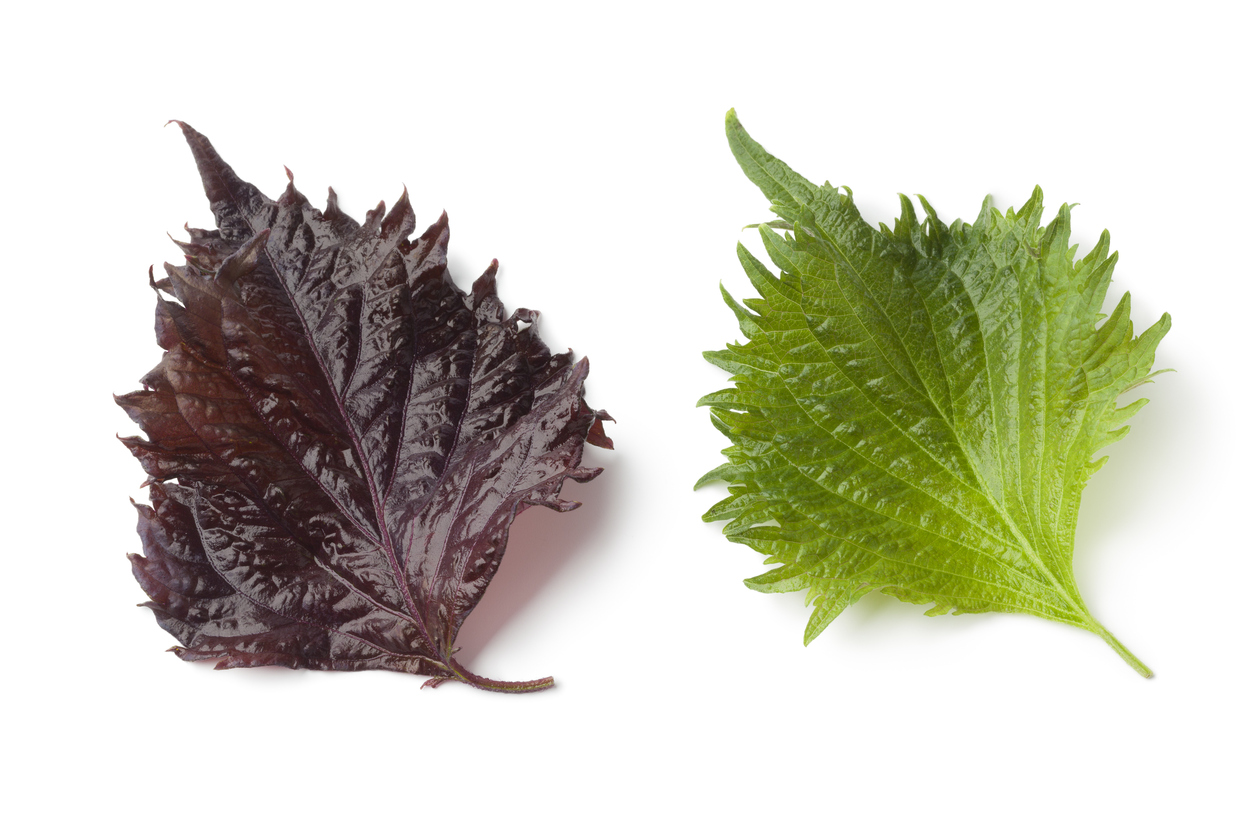
Researchers at Hiroshima University, in collaboration with the Hiroshima Prefectural Technology Research Institute and Mishima Foods Co., Ltd., have successfully used CRISPR-Cas9 genome editing to transform red perilla (shiso in Japan, kkaennip in Korea, and tía tô in Vietnam) into a green variety while substantially boosting its health-promoting properties. Published in Frontiers in Plant Science, the study demonstrates how modifying a single targeted enzyme gene can intentionally redirect a plant's metabolic pathways to yield crops with higher nutritional and functional value.
By disabling the flavanone 3-hydroxylase (F3H) gene, a key junction in the plant's metabolic pathway, the team halted the production of red anthocyanin pigments, causing the plants to grow visually identical to traditional green perilla. More importantly, this genetic tweak caused a dramatic shift in the plant's biochemistry: levels of luteolin, a potent antioxidant and anti-inflammatory flavone, increased approximately sixfold compared to unedited plants, alongside elevated concentrations of rosmarinic acid.
Led by Professor Hidemasa Bono, the research team successfully bred stable, non-transgenic plant lines that retain these altered metabolic traits without carrying any foreign DNA. The breakthrough opens up new possibilities for cultivating high-performance functional foods and naturally derived pharmaceutical ingredients, proving that genome editing can tailor traditional culinary herbs into powerhouses for nutrition and medicine.
For more details, read the article in the University of Hiroshima website.
| |
You might also like:
- Study Solves Mystery in Anthocyanin Production in Black Rice
- CRISPR Reveals Key to Development of Purple Rice
- Experts Boost Anthocyanin Content of Radish Sprouts
Biotech Updates is a weekly newsletter of ISAAA, a not-for-profit organization. It is distributed for free to over 22,000 subscribers worldwide to inform them about the key developments in biosciences, especially in biotechnology. Your support will help us in our mission to feed the world with knowledge. You can help by donating as little as $10.
-
See more articles:
-
Plant
- University of Missouri Develops Rapid Detection Test for Rocky Mountain Spotted Fever
- Genome Editing Turns Red Perilla Green while Boosting Health Benefits Sixfold
- Tiny Gene Edit Cuts Toxic Cadmium in Rice by Half
-
Animal
- The Pirbright Institute Achieves World’s First Gene-Edited Biting Midges
-
Food
- South Korea Expands Mandatory Biotech Labeling Rules for Processed Foods
- UN Releases Global Report on the State of Food Security and Nutrition
- Researchers Urge Stronger Public Education to Improve GMO Acceptance in Malaysia
-
Environment
- Join ASCA2026 in Malaysia
-
Read the latest: - Biotech Updates (September 16, 2026)
- Gene Editing Supplement (August 26, 2026)
- Gene Drive Supplement (February 22, 2023)
-
Subscribe to BU: - Share
- Tweet