

Tiny Gene Edit Cuts Toxic Cadmium in Rice by Half
July 22, 2026| |
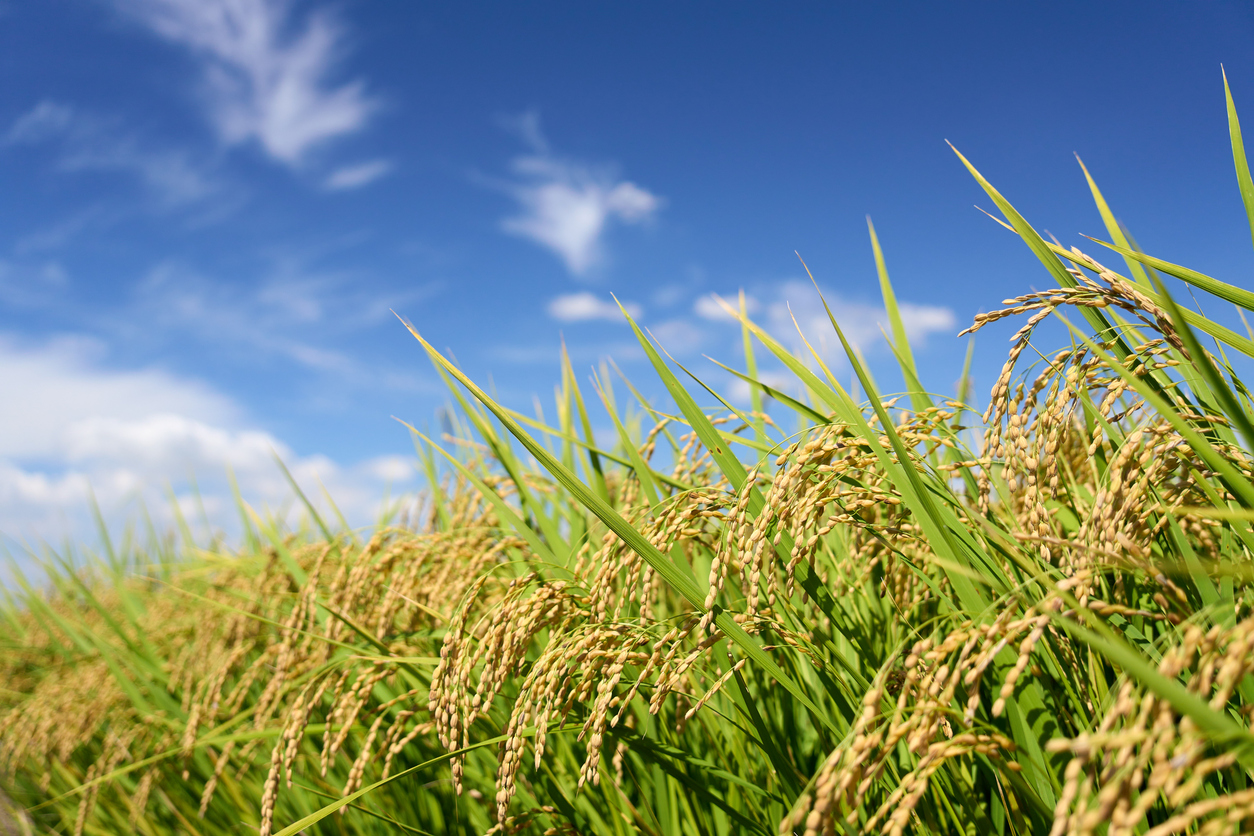
Researchers from Japan's Okayama University and the Chinese Academy of Sciences have developed a genome-edited rice variety that drastically reduces the accumulation of toxic cadmium in rice grains without compromising crop yields or essential nutrient levels. Cadmium is a carcinogenic heavy metal found in contaminated agricultural soils that easily accumulates in cereal crops, making rice one of the largest dietary sources of cadmium exposure worldwide.
In a study published in the Proceedings of the National Academy of Sciences (PNAS), the team used precise base-editing technology to screen over 1,600 genome-edited lines targeting the metal transporter gene OsNramp5. They identified a specific point mutation, dubbed OsNramp5I441T, that swaps a single amino acid (isoleucine to threonine at position 441). In field trials on cadmium-contaminated soil, this subtle tweak reduced cadmium levels in brown rice by 48%, from 0.14 mg/kg in the wild-type plants to 0.07 mg/kg in the edited plants, while keeping grain yields and crucial micronutrients like iron, zinc, and manganese completely intact.
The breakthrough solves a long-standing challenge in agricultural science, as earlier methods to block cadmium typically stunted plant growth or disrupted the uptake of essential minerals. The researchers discovered that the mutation increases the transporter's preference for zinc, allowing zinc to outcompete cadmium as it moves through the plant toward the grain. Led by Dr. Sheng Huang and Professor Jian Feng Ma, the team believes this genetic modification offers a practical precision-breeding strategy to produce safer rice on affected soils globally.
For more details, read the news article in the Okayama University website.
| |
You might also like:
- Researchers Find Key Gene for Cadmium Tolerance and Accumulation in Rice
- Low-cadmium Rice Developed Using CRISPR-Cas9
- Reducing Cadmium in Rice Grains Using CRISPR
Biotech Updates is a weekly newsletter of ISAAA, a not-for-profit organization. It is distributed for free to over 22,000 subscribers worldwide to inform them about the key developments in biosciences, especially in biotechnology. Your support will help us in our mission to feed the world with knowledge. You can help by donating as little as $10.
-
See more articles:
-
Plant
- University of Missouri Develops Rapid Detection Test for Rocky Mountain Spotted Fever
- Genome Editing Turns Red Perilla Green while Boosting Health Benefits Sixfold
- Tiny Gene Edit Cuts Toxic Cadmium in Rice by Half
-
Animal
- The Pirbright Institute Achieves World’s First Gene-Edited Biting Midges
-
Food
- South Korea Expands Mandatory Biotech Labeling Rules for Processed Foods
- UN Releases Global Report on the State of Food Security and Nutrition
- Researchers Urge Stronger Public Education to Improve GMO Acceptance in Malaysia
-
Environment
- Join ASCA2026 in Malaysia
-
Read the latest: - Biotech Updates (September 16, 2026)
- Gene Editing Supplement (August 26, 2026)
- Gene Drive Supplement (February 22, 2023)
-
Subscribe to BU: - Share
- Tweet