

Pangenome Reveals Secrets to Breeding Better Cucumbers
February 18, 2026| |
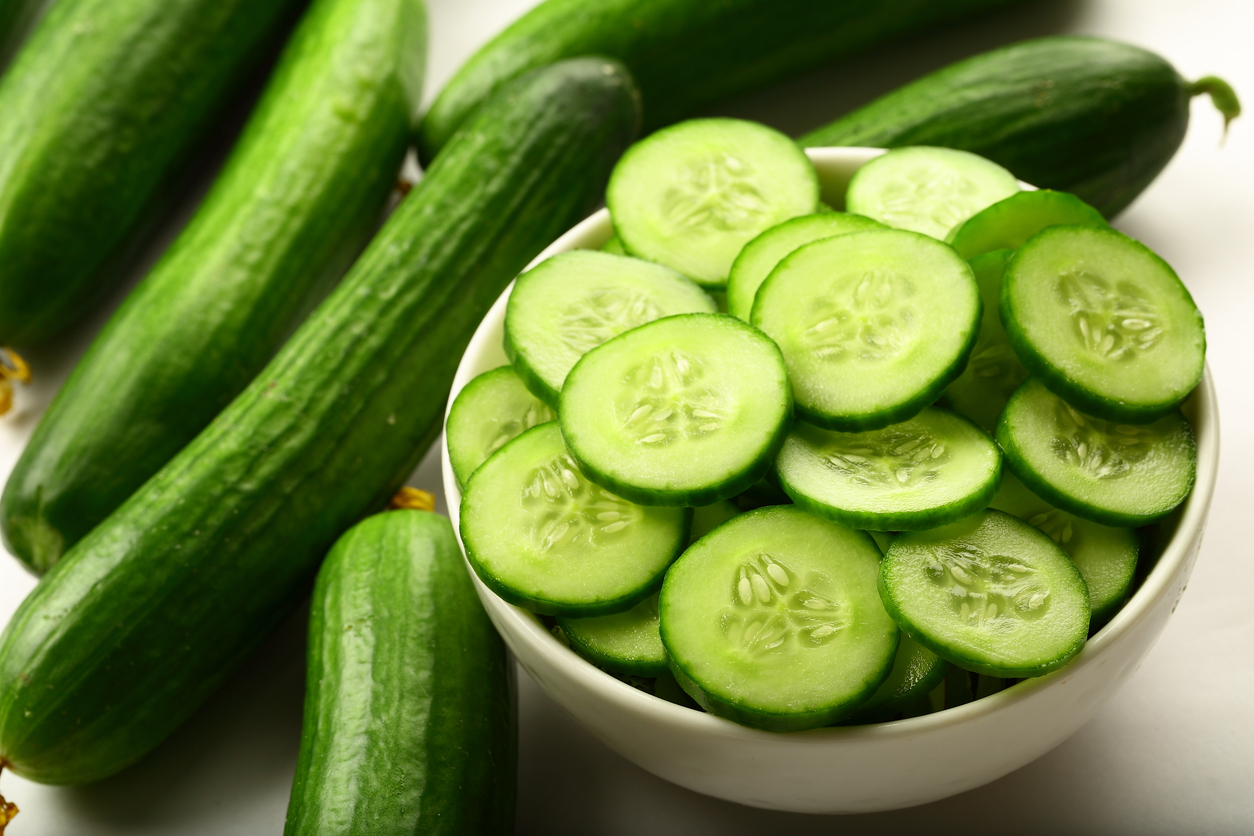
Scientists at the Boyce Thompson Institute (BTI) have developed the most comprehensive genetic map of the cucumber to date, identifying 171,892 structural variants that could revolutionize crop breeding. By creating a graph-based pangenome from 39 cucumber varieties, researchers can now pinpoint large-scale DNA rearrangements that influence critical traits such as fruit shape, resilience, and the prevention of internal hollowness.
The study, led by Professor Zhangjun Fei and published in Nature Genetics, reveals a fascinating evolutionary "cleanup" process. While smaller genetic mutations were often retained throughout the cucumber's history, larger and more damaging structural variants were consistently purged by natural selection to protect plant health. However, as cucumbers spread globally from their origins in India, some harmful variants "hitched a ride" alongside beneficial genes. This discovery explains why breeding for specific traits, such as drought tolerance, sometimes introduces unintended genetic baggage.
“This is the first time we've been able to capture the full scope of genetic variation in cucumbers at such a detailed level,” explained Fei. “The pangenome allows us to see these SVs—large insertions, deletions, and rearrangements of DNA—and understand the profound impact they have on the cucumber's biology and evolution.”
This new genetic resource provides immediate practical benefits for the agricultural industry, which produces more cucumbers than almost any other vegetable except tomatoes and onions. By integrating these structural variants into breeding models, scientists have already shown they can more accurately predict how a plant will grow. This breakthrough allows breeders to develop higher-quality, more resilient varieties more efficiently, offering a blueprint that could eventually be applied to improve other major global crops.
For more details, read the news article on the BTI website.
| |
You might also like:
- Chinese Researchers Pinpoint Protein that Regulates Cucumber Leaf Size and Fruiting Ability
- Researchers Pinpoint Gene that Could Help Cucumbers Survive Climate Change
- Broad Virus Resistance in Cucumber Developed using CRISPR
Biotech Updates is a weekly newsletter of ISAAA, a not-for-profit organization. It is distributed for free to over 22,000 subscribers worldwide to inform them about the key developments in biosciences, especially in biotechnology. Your support will help us in our mission to feed the world with knowledge. You can help by donating as little as $10.
-
See more articles:
-
Plant
- Gene Editing Boosts Drought Tolerance in Sugarcane
- Negative GMO Perceptions Could Influence Gene-Edited Crop Acceptance
- Pangenome Reveals Secrets to Breeding Better Cucumbers
- Shandong Agricultural University Researchers Redefine Green Revolution Genes for Modern Wheat
- ISAAA Webinar: Global Status of Commercialized Biotech/GM Crops in 2024
- Experts Develop Grapefruit Without the Bitterness
- USDA Opens Public Comment on Genetically Engineered Apple T1190
-
Environment
- UQ Researchers Reveal RNA-Based Biopesticides Can Travel from Leaves to Roots
-
Read the latest: - Biotech Updates (September 16, 2026)
- Gene Editing Supplement (August 26, 2026)
- Gene Drive Supplement (February 22, 2023)
-
Subscribe to BU: - Share
- Tweet