

Shandong Agricultural University Researchers Redefine Green Revolution Genes for Modern Wheat
February 18, 2026| |
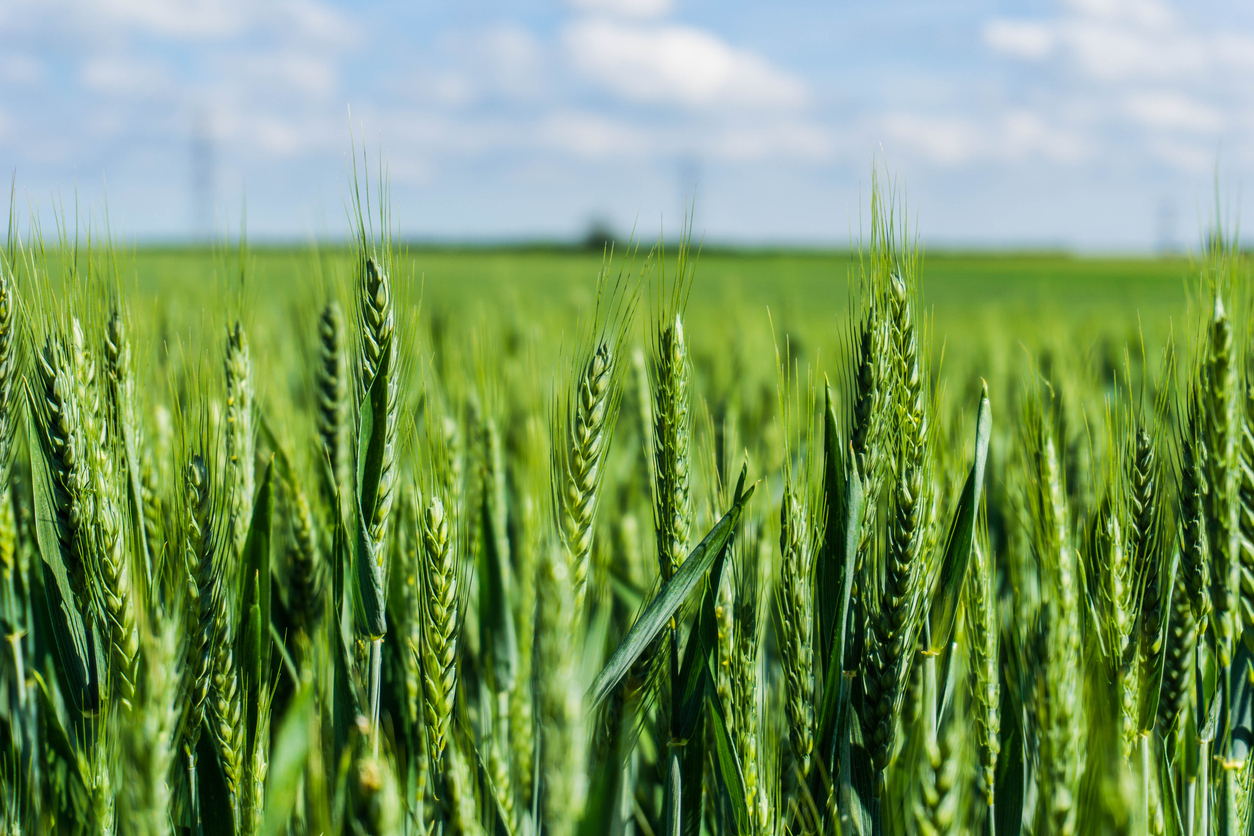
Researchers at Shandong Agricultural University have discovered that a key Green Revolution gene, Rht-D1b, does far more than just reduce plant height. The researchers, led by Dr. Han Zhang, redefined this gene as a central coordinator of wheat architecture and found that it also controls tiller angle and number, providing a new genetic blueprint to significantly boost global wheat yields and food security.
The study, published in The Crop Journal, explains that while Rht-D1b was historically valued for creating shorter, semi-dwarf plants that resist falling over, it also plays a critical role in shaping the plant's canopy. By influencing how the plant growth hormone auxin is transported, the gene dictates the angle at which branches grow. This discovery allows scientists to manipulate light interception and space efficiency, ensuring that wheat crops can thrive even when planted in high-density environments.
The findings have immediate practical implications for the agricultural industry, as wheat provides calories for nearly 40% of the global population. Researchers found that moderate expression optimized plant architecture and increased grain yield per plant, while both loss-of-function and strong overexpression resulted in yield penalties. By fine-tuning this genetic dosage, breeders can now develop next-generation wheat varieties that are more resilient, profitable, and capable of meeting the rising demands of a growing world.
For more details, read this article or download the open-access paper in The Crop Journal.
| |
You might also like:
- CRISPR Wheat Produces Own Fertilizer
- K-State Researchers Tackle Gluten Allergenicity in Wheat Using CRISPR-Cas9
- Scientists Discover a Gene that Could Triple Wheat Production
Biotech Updates is a weekly newsletter of ISAAA, a not-for-profit organization. It is distributed for free to over 22,000 subscribers worldwide to inform them about the key developments in biosciences, especially in biotechnology. Your support will help us in our mission to feed the world with knowledge. Support ISAAA by subscribing as a Premium or Elite Subscriber
-
See more articles:
-
Plant
- Gene Editing Boosts Drought Tolerance in Sugarcane
- Negative GMO Perceptions Could Influence Gene-Edited Crop Acceptance
- Pangenome Reveals Secrets to Breeding Better Cucumbers
- Shandong Agricultural University Researchers Redefine Green Revolution Genes for Modern Wheat
- ISAAA Webinar: Global Status of Commercialized Biotech/GM Crops in 2024
- Experts Develop Grapefruit Without the Bitterness
- USDA Opens Public Comment on Genetically Engineered Apple T1190
-
Environment
- UQ Researchers Reveal RNA-Based Biopesticides Can Travel from Leaves to Roots
-
Read the latest: - Biotech Updates (October 21, 2026)
- Gene Editing Supplement (September 30, 2026)
- Gene Drive Supplement (February 22, 2023)
-
Subscribe to BU: - Share
- Tweet