

Genetically Modified H3N1 Reduces Virulence of Avian Influenza
January 28, 2026| |
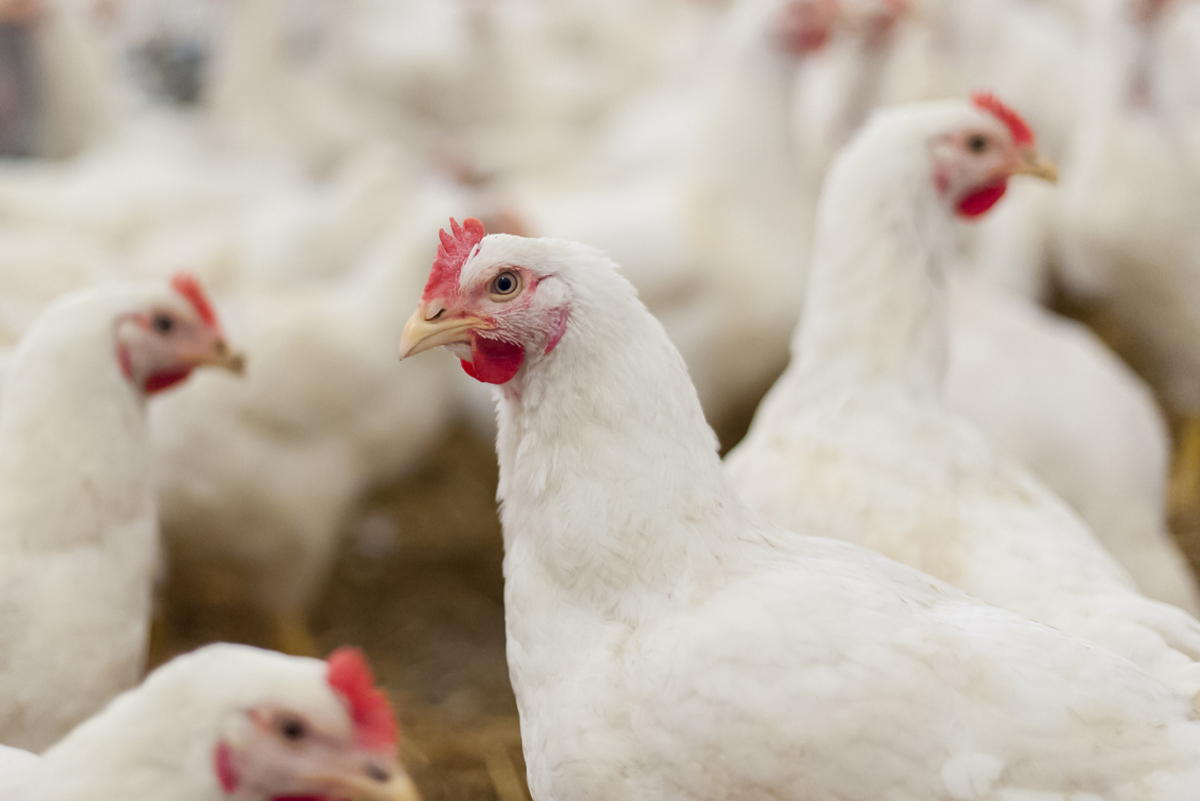
Researchers from the National Veterinary Research Institute, the University of Edinburgh, and partner institutions have developed a genetically modified (GM) strain of the H3N1 (mH3N1) avian influenza virus to understand how specific genetic changes affect disease severity in chickens. The modified virus was designed to weaken key mechanisms linked to viral spread and tissue damage and was compared with a wild-type H3N1 (wH3N1) strain associated with a disease outbreak in Belgium.
The results showed that adult hens exposed to wH3N1 experienced severe effects, including a complete halt in egg production, widespread viral replication, and tissue damage in the reproductive tract, brain, and kidneys. In contrast, hens infected with the mH3N1 strain showed only mild and temporary drops in egg production, along with minimal viral presence in tissues. No mortality was recorded in either group, and younger chickens developed only subclinical infections.
The findings show that targeted genetic modification can significantly reduce the virulence of avian influenza viruses. The study points to the loss of a specific neuraminidase (NA) glycosylation site linked to plasminogen binding and haemagglutinin (HA) cleavage as a key factor in weakening the virus. Researchers say this method could improve risk assessment, detection, and avian influenza control strategies in poultry.
For more information, read the abstract from Avian Pathology.
| |
You might also like:
- Scientists Develop Gene-edited Chickens to Limit Spread of Bird Flu
- Australia's GEd Chickens to Help Improve Agriculture and Pharmaceuticals
- Biotechnology Offers Options for Local Livestock Industry
Biotech Updates is a weekly newsletter of ISAAA, a not-for-profit organization. It is distributed for free to over 22,000 subscribers worldwide to inform them about the key developments in biosciences, especially in biotechnology. Your support will help us in our mission to feed the world with knowledge. You can help by donating as little as $10.
-
See more articles:
-
Plant
- Pyramided Genes in Eucalyptus Confer High-dose Resistance to Brown Looper Caterpillar
- Scientists Discover Potential for Better Soybeans with Protection from Cyst Nematode
- Experts Identify Protein Network Coordinating Iron Balance Across the Entire Plant
- Early Bird Ends Soon: Get Our New Biotech Updates Subscription
- EFSA GMO Panel Finds Herbicide Tolerant Soybean MON 94313 Safe
- Media Exposure Influences GMO Perceptions in Montenegro
-
Animal
- Genetically Modified H3N1 Reduces Virulence of Avian Influenza
-
Food
- Canada Approves PRRSV-Resistant Pigs for Food and Feed Use
-
Read the latest: - Biotech Updates (September 16, 2026)
- Gene Editing Supplement (August 26, 2026)
- Gene Drive Supplement (February 22, 2023)
-
Subscribe to BU: - Share
- Tweet