

Scientists Discover Potential for Better Soybeans with Protection from Cyst Nematode
January 28, 2026| |
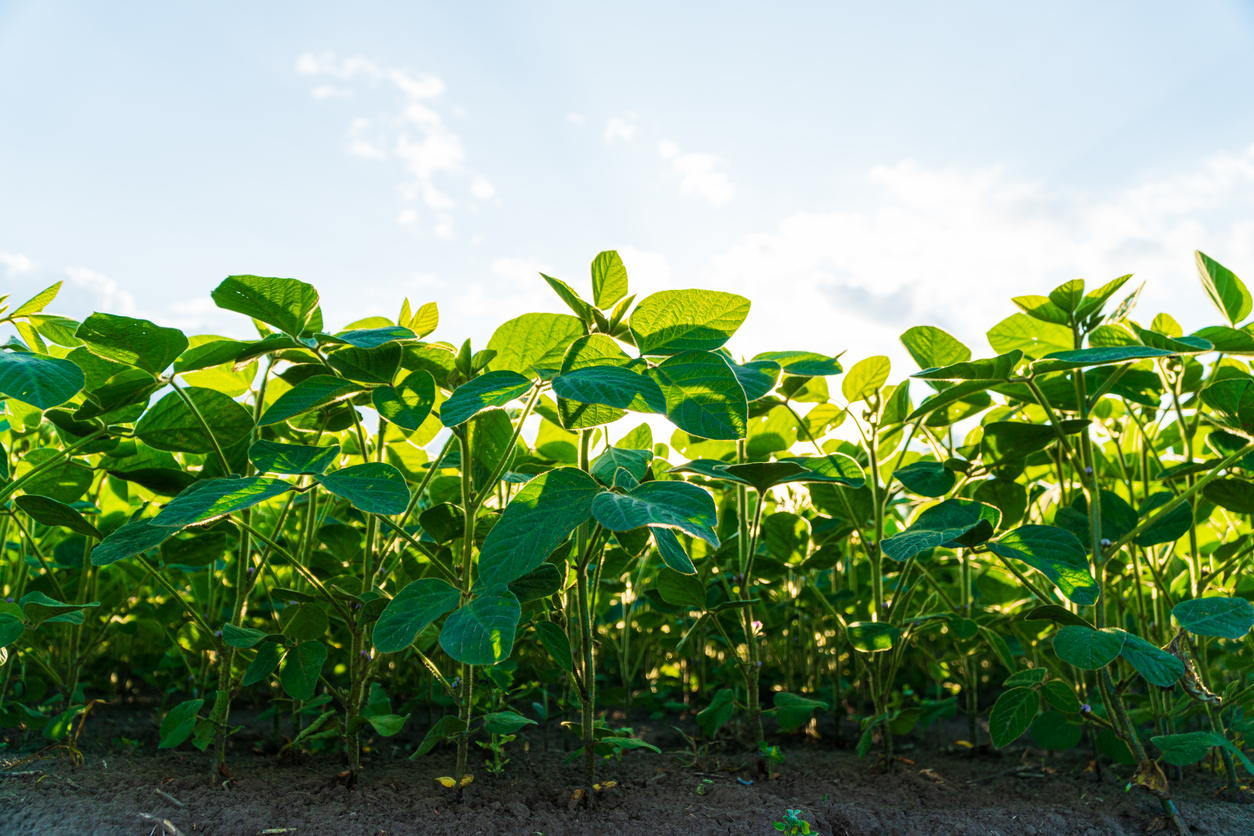
Researchers have identified new genetic resources to combat soybean cyst nematode (SCN), a microscopic roundworm that attacks plant roots and drains yields. It is the most damaging pathogen affecting soybean crops globally, resulting in significant losses.
In a study highlighted by the American Phytopathological Society, scientists analyzed the genomes of over 1,100 soybean accessions, including both cultivated and wild varieties from the USDA soybean germplasm collection, to find diverse alternatives. The study revealed soybean lines with similar profiles of known resistance genes sometimes showed very different levels of protection against the nematode. This suggests that previously unknown resistance genes are helping the plant defend against infection, thus opening doors to discovering entirely novel resistance genes and mechanisms.
One soybean line in particular, known as PI 602492, and a wild soybean line PI 522226, stood out for their consistent resistance to several SCN populations, and their resistance appears to function independently of the genes that dominate modern soybean breeding. This research is significant for global food security and economic stability within the agricultural sector. By diversifying the genetic makeup of soybean crops, farmers can mitigate yield losses that currently amount to billions of dollars annually. These newly discovered resources will allow for more robust crop rotation strategies and the development of "stacked" resistance traits.
For more details, read the news release from the American Phytopathological Society website.
| |
You might also like:
- Scientists Have Identified Genetic Defense Against Soybean Cyst Nematodes
- EFSA GMO Panel Releases Scientific Opinion on GM Soybean DBN9004
- COGEM Releases Advice on GM Soybean 305423xDAS-44406-6
Biotech Updates is a weekly newsletter of ISAAA, a not-for-profit organization. It is distributed for free to over 22,000 subscribers worldwide to inform them about the key developments in biosciences, especially in biotechnology. Your support will help us in our mission to feed the world with knowledge. You can help by donating as little as $10.
-
See more articles:
-
Plant
- Pyramided Genes in Eucalyptus Confer High-dose Resistance to Brown Looper Caterpillar
- Scientists Discover Potential for Better Soybeans with Protection from Cyst Nematode
- Experts Identify Protein Network Coordinating Iron Balance Across the Entire Plant
- Early Bird Ends Soon: Get Our New Biotech Updates Subscription
- EFSA GMO Panel Finds Herbicide Tolerant Soybean MON 94313 Safe
- Media Exposure Influences GMO Perceptions in Montenegro
-
Animal
- Genetically Modified H3N1 Reduces Virulence of Avian Influenza
-
Food
- Canada Approves PRRSV-Resistant Pigs for Food and Feed Use
-
Read the latest: - Biotech Updates (September 16, 2026)
- Gene Editing Supplement (August 26, 2026)
- Gene Drive Supplement (February 22, 2023)
-
Subscribe to BU: - Share
- Tweet