

New Chemical Method Helps in Selection of Desirable Crop Traits
January 14, 2026| |
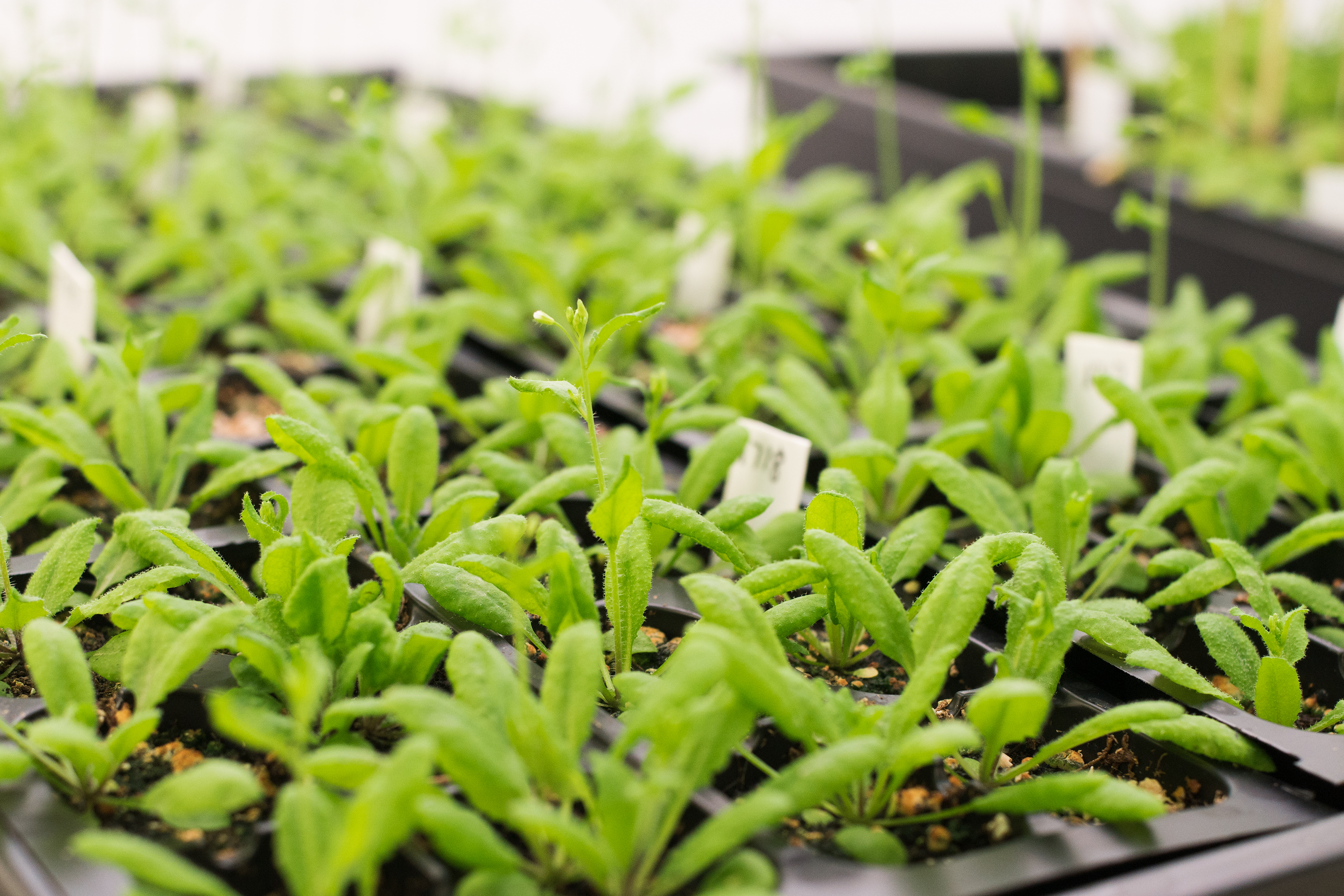
Researchers at the Whitehead Institute have developed a chemical method to generate large-scale genetic diversity in crops, providing a more accessible alternative to traditional mutation breeding. Published in PLOS Genetics, the study led by Mary Gehring describes the use of etoposide, a chemotherapy drug, to induce structural variants—large-scale DNA changes like deletions and duplications—in germinating seeds.
Unlike conventional mutation breeding, which relies on complex and highly regulated radiation, this chemical approach uses standard laboratory tools to interfere with enzymes that manage DNA structure during cell division. The resulting errors in DNA repair create heritable traits that can be selected for in subsequent generations, effectively expanding the genetic toolkit available to breeders.
The method was successfully demonstrated in the model plant Arabidopsis thaliana, where two-thirds of treated lines showed visible changes in size, leaf shape, and fertility. The research team is now applying this technique to orphan crops, which are vital for regional nutrition but often lack the genetic diversity needed to breed for climate resilience. By screening these chemically altered lines for traits such as salt and drought tolerance, scientists hope to develop robust new varieties that can thrive in harsh environments. This innovation is particularly promising for species that are resistant to CRISPR-based gene editing, offering a scalable way to systematically restructure crop genomes for future food security.
For more details, read the news article on the Whitehead Institute website.
| |
You might also like:
- Scientists Use AI to Boost Precision of Gene Editing
- Enhanced CRISPR-Cas9 Enables Stable Insertion of Large Genes
- Chinese Scientists Develop New Gene Editing Tool
Biotech Updates is a weekly newsletter of ISAAA, a not-for-profit organization. It is distributed for free to over 22,000 subscribers worldwide to inform them about the key developments in biosciences, especially in biotechnology. Your support will help us in our mission to feed the world with knowledge. You can help by donating as little as $10.
-
See more articles:
-
Plant
- EU Authorizes and Renews Importation of Four GM Crops
- New Chemical Method Helps in Selection of Desirable Crop Traits
- Phone Cameras May Soon Detect DNA Sequences
- ISAAA Offers Enhanced Subscription Plans for Biotech Updates
- Nigerian Daily Newspapers Shape Discussions on GM Maize
- Global 60-Year Study Covering 205 Countries Uncovers Staple Crops' Nutrient Use Inefficiency
-
Animal
- Researchers Use Gene Editing to Separate Male and Female Mosquitoes
-
Environment
- Glyphosate Use Contributes to Reduction of Global CO2 Emissions
-
Read the latest: - Biotech Updates (September 9, 2026)
- Gene Editing Supplement (August 26, 2026)
- Gene Drive Supplement (February 22, 2023)
-
Subscribe to BU: - Share
- Tweet