

Researchers Use Gene Editing to Separate Male and Female Mosquitoes
January 14, 2026| |
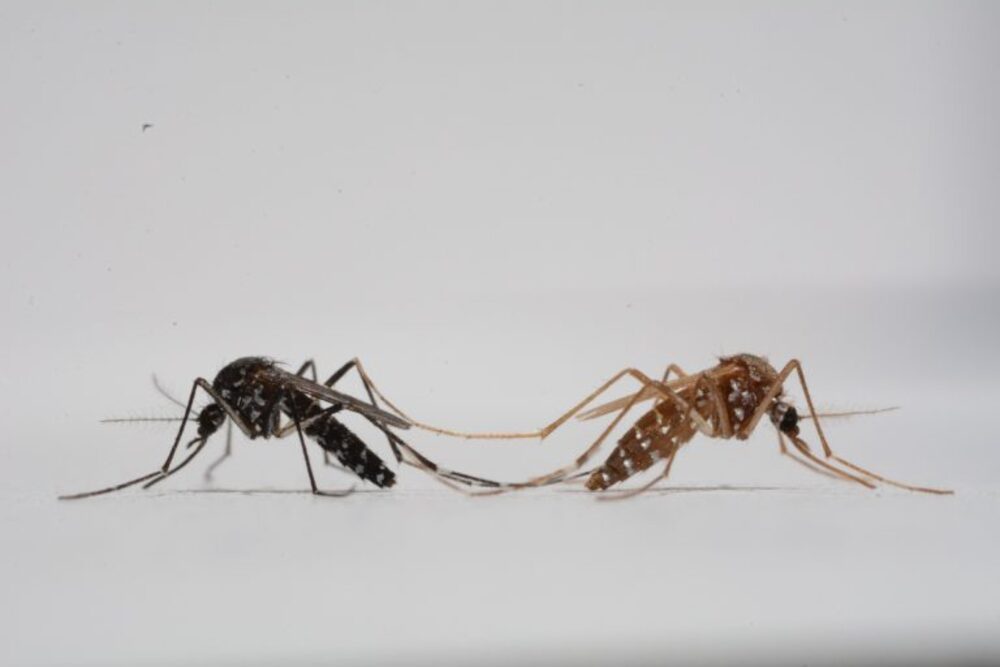
Researchers from the Hebrew University of Jerusalem have developed a new genetic method to separate male and female mosquitoes, which is highly beneficial for large-scale mosquito control programs. Led by Doron Zaada and Prof. Philippos Papathanos, the study aims to improve existing separation strategies that are labor-intensive, difficult to scale, and rely on releasing only male mosquitoes.
The study focused on the Asian Tiger mosquito (Aedes albopictus), a major carrier of diseases such as dengue, chikungunya, and Zika. Using CRISPR, the researchers developed a genetically engineered “Genetic Sexing Strain” by disrupting the mosquito's yellow pigmentation gene, then restored dark pigmentation only in males by linking the gene to nix, a “master switch” that converts females into fertile males. This resulted in a stable strain in which males are dark-colored, and females are yellow.
The study also found that the yellow females lay eggs that cannot survive dry conditions, unlike wild mosquito eggs that can survive for months. The genetically converted males were shown to behave and reproduce like natural males, indicating their effectiveness for vector control programs. The researchers said that the next step is to improve the female mosquitoes' ability to survive high temperatures or specific additives used in mosquito mass-rearing biofactories.
For more information, read the article from the American Friends of the Hebrew University or the study from Nature Communications.
| |
You might also like:
- Fighting Malaria with Modified Mosquitoes
- GM Mosquitoes with Toxic Semen Offer Faster Solution to Control Mosquito Populations
- Transmission Zero Develops the First GM Mosquitoes to Stop Malaria Transmission in Tanzania
Biotech Updates is a weekly newsletter of ISAAA, a not-for-profit organization. It is distributed for free to over 22,000 subscribers worldwide to inform them about the key developments in biosciences, especially in biotechnology. Your support will help us in our mission to feed the world with knowledge. You can help by donating as little as $10.
-
See more articles:
-
Plant
- EU Authorizes and Renews Importation of Four GM Crops
- New Chemical Method Helps in Selection of Desirable Crop Traits
- Phone Cameras May Soon Detect DNA Sequences
- ISAAA Offers Enhanced Subscription Plans for Biotech Updates
- Nigerian Daily Newspapers Shape Discussions on GM Maize
- Global 60-Year Study Covering 205 Countries Uncovers Staple Crops' Nutrient Use Inefficiency
-
Animal
- Researchers Use Gene Editing to Separate Male and Female Mosquitoes
-
Environment
- Glyphosate Use Contributes to Reduction of Global CO2 Emissions
-
Read the latest: - Biotech Updates (September 9, 2026)
- Gene Editing Supplement (August 26, 2026)
- Gene Drive Supplement (February 22, 2023)
-
Subscribe to BU: - Share
- Tweet