

Global 60-Year Study Covering 205 Countries Uncovers Staple Crops' Nutrient Use Inefficiency
January 14, 2026| |
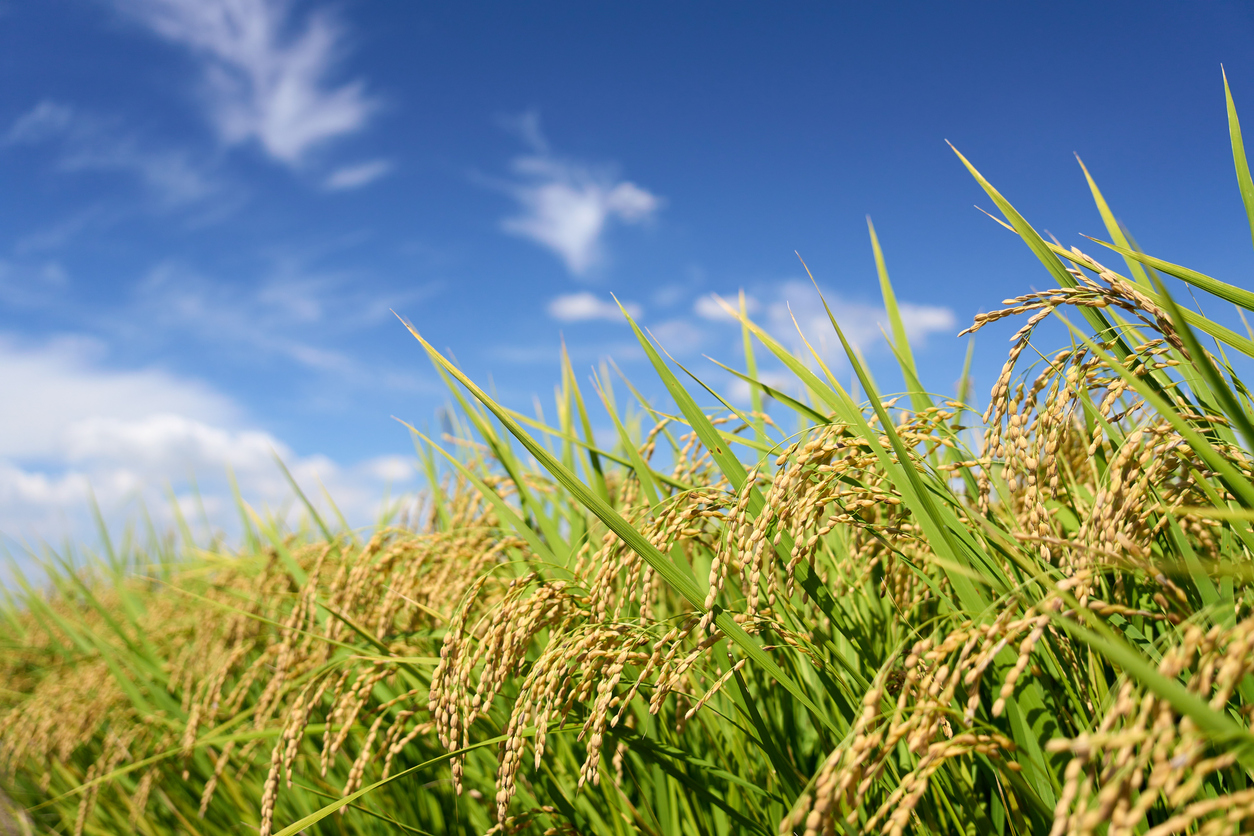
A landmark 60-year global study covering 205 countries and regions has uncovered the evolutionary patterns of nitrogen and phosphorus use efficiency (NUE and PUE) in four major staple crops of rice, wheat, maize, and soybean. Led by the Chinese Academy of Sciences (CAS), the study found that despite a massive surge in fertilizer application, NUE and PUE remain critically low.
The study highlights a troubling disparity. While tropical rice and temperate wheat show relatively higher efficiency, maize production in major regions like the U.S. and China is plagued by a "high input-low utilization" pattern. Notably, PUE for all four major staple crops falls below 50%, forcing crops to rely more on native soil reserves than the fertilizers applied each season.
To address these systemic bottlenecks, the research introduces a global "nutrient efficiency atlas" and a three-tier optimization framework: "crop-region-technology." Rather than simply changing how to fertilize, the study advocates for a fundamental restructuring of agroecosystems to intelligently match crops with specific climate and soil conditions. This includes implementing precision fertilization for inefficient crop-climate zones and prioritizing management resources for "efficiency sink" areas. By integrating advanced technologies—such as high-nutrient-use varieties, conservation tillage, and functional microorganisms—into comprehensive management packages, the researchers believe global agriculture can finally break the cycle of waste and move toward a greener, more sustainable future.
For more details, read the news article in the CAS Newsroom.
| |
You might also like:
- Scientists Show How to Grow More Nutritious Rice That Uses Less Fertilizer
- Nitrogen Use Efficient Rice Shows Promising Field Performance
- Nitrogen Use Efficient Wheat Developed Using CRISPR-Cas9
Biotech Updates is a weekly newsletter of ISAAA, a not-for-profit organization. It is distributed for free to over 22,000 subscribers worldwide to inform them about the key developments in biosciences, especially in biotechnology. Your support will help us in our mission to feed the world with knowledge. You can help by donating as little as $10.
-
See more articles:
-
Plant
- EU Authorizes and Renews Importation of Four GM Crops
- New Chemical Method Helps in Selection of Desirable Crop Traits
- Phone Cameras May Soon Detect DNA Sequences
- ISAAA Offers Enhanced Subscription Plans for Biotech Updates
- Nigerian Daily Newspapers Shape Discussions on GM Maize
- Global 60-Year Study Covering 205 Countries Uncovers Staple Crops' Nutrient Use Inefficiency
-
Animal
- Researchers Use Gene Editing to Separate Male and Female Mosquitoes
-
Environment
- Glyphosate Use Contributes to Reduction of Global CO2 Emissions
-
Read the latest: - Biotech Updates (September 9, 2026)
- Gene Editing Supplement (August 26, 2026)
- Gene Drive Supplement (February 22, 2023)
-
Subscribe to BU: - Share
- Tweet