

Gene Editing Unlocks Commercial Potential of Goldenberry
December 10, 2025| |
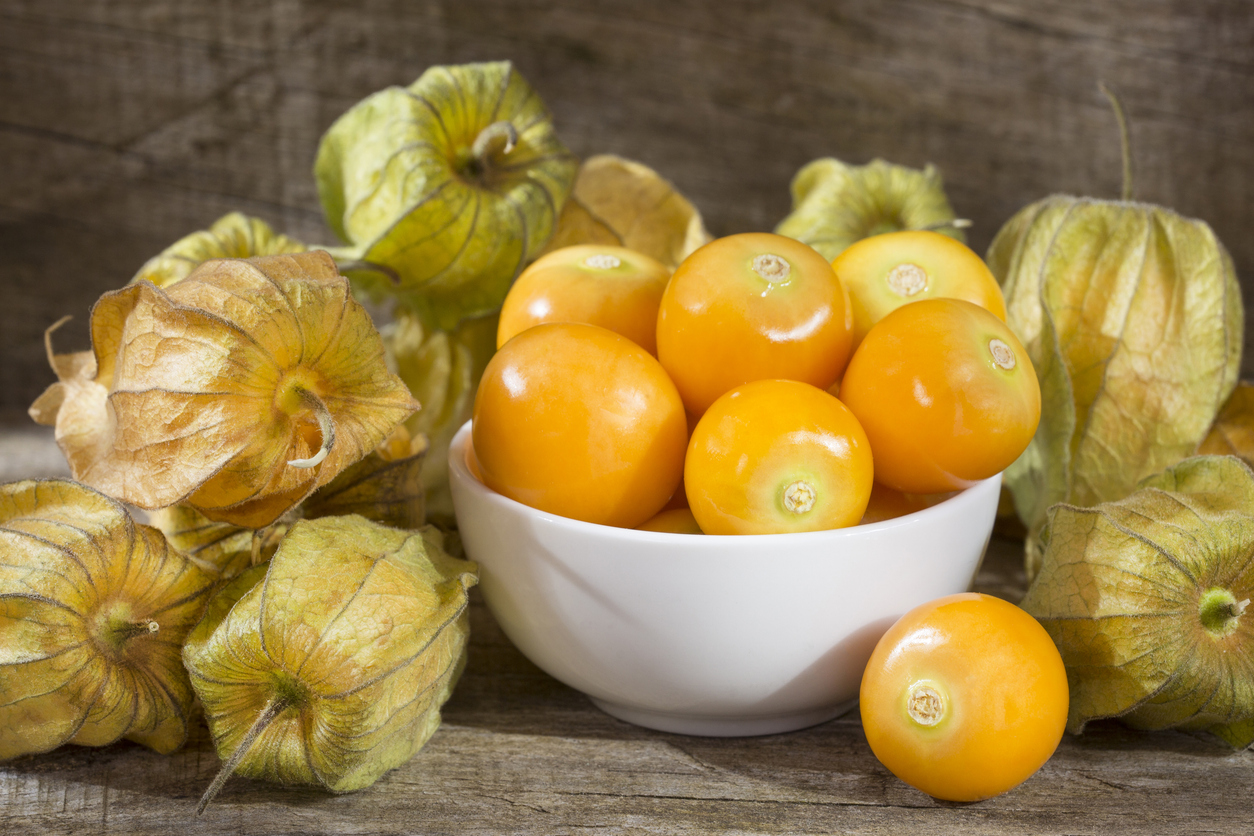
Goldenberry, a small, tart-sweet fruit described as a cross between a pineapple and a mango, is increasingly popular in U.S. markets for its flavor and superfood nutritional profile. However, the plant's naturally wild and unruly growth habit has made it impractical for large-scale commercial farming. This challenge has kept the highly nutritious crop, native to the Andes region of South America, trapped between its wild origins and its commercial potential, even as global demand continues to rise.
Researchers at the Boyce Thompson Institute (BTI), led by Professor Joyce Van Eck, have successfully overcome this barrier using CRISPR gene editing technology. By targeting the ERECTA gene, which regulates stem length in related crops like tomatoes, the collaborative team engineered goldenberry plants that are 35% shorter than their wild relatives. This new, compact growth habit makes the plant viable for commercial agriculture, as it allows for higher planting density, eliminates the need for trellising, and simplifies maintenance and harvesting. The team successfully edited two copies of the gene, a necessary step because the goldenberry is tetraploid, meaning it contains four sets of chromosomes.
The BTI team has already secured clearance from the USDA, confirming the engineered plants are free from plant pest regulations, and is now seeking FDA approval to allow growers to begin commercial production immediately. This work serves as a powerful demonstration of how gene editing can accelerate the development of improved varieties for minor crops that have been neglected by traditional breeding programs. The successful method—which could also be applied to other underutilized crops like groundcherry and passion fruit—aims to expand dietary diversity and create new opportunities for farmers by bringing highly nutritious, farmable varieties to the global food system.
For more details, read the article in BTI News.
| |
You might also like:
- Pairwise Develops First Gene-Edited Seedless Blackberry
- Nine Gene-edited Berries from Pairwise Receive USDA Confirmations
- Researchers to Improve Berries Using CRISPR Technology
Biotech Updates is a weekly newsletter of ISAAA, a not-for-profit organization. It is distributed for free to over 22,000 subscribers worldwide to inform them about the key developments in biosciences, especially in biotechnology. Your support will help us in our mission to feed the world with knowledge. You can help by donating as little as $10.
-
See more articles:
-
Plant
- Study Reveals Key Gene Interaction to Strengthen Grapevine’s Resistance Against Powdery Mildew
- Regulatory Authorities and Breeding Sector Call for a Food Safety Culture in Gene Editing
- EU Reaches Landmark Deal on New Genomic Techniques to Boost Agri-Food Sector
- Scientists Enhance Dominant-Negative Effect of the Gl2 Mutation for Gossypol-free Cottonseeds
- Researchers Use CRISPR to Develop Rice Plants with High Salt Resistance
- EFSA GMO Panel Releases Scientific Opinion on the Assessment of GM Maize MON 87460 for Renewal Authorization
-
Food
- Gene Editing Unlocks Commercial Potential of Goldenberry
- Scientists Find Transcription Factor MdWRKY9 Boosts Apple's Salt Tolerance
-
Read the latest: - Biotech Updates (September 16, 2026)
- Gene Editing Supplement (August 26, 2026)
- Gene Drive Supplement (February 22, 2023)
-
Subscribe to BU: - Share
- Tweet