

Scientists Enhance Dominant-Negative Effect of the Gl2 Mutation for Gossypol-free Cottonseeds
December 10, 2025| |
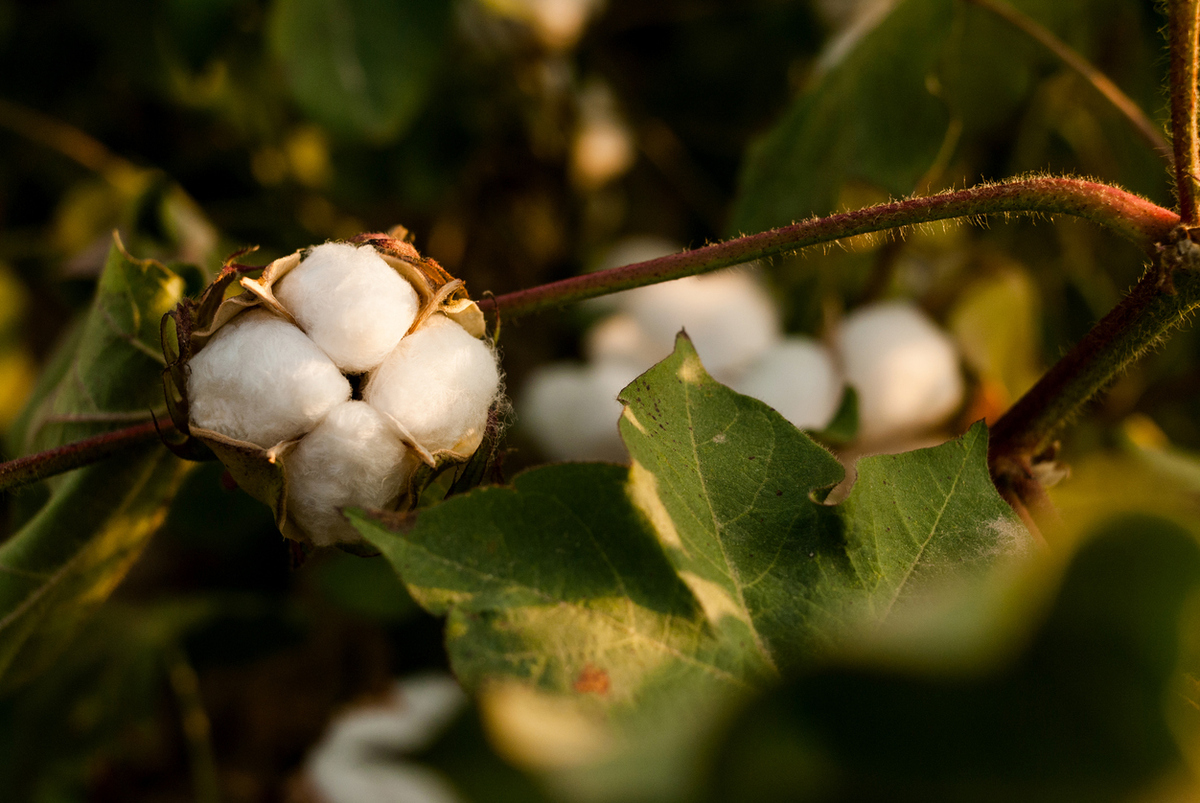
A study conducted by researchers from Henan University, the Chinese Academy of Agricultural Sciences, and Texas Tech University demonstrated the successful engineering of cotton plants to produce gossypol-free seeds. The findings of the study make seed-specific gossypol-free (SSGF) cotton safe for human consumption while maintaining normal fiber yield and other agronomic traits.
Researchers found that the Gl2 and Gl3 genes function as regulators within the transcriptional regulatory network governing gossypol gland development. They found that the Gl2e mutant, a dominant mutant of Gl2, induces a glandless phenotype. Guided by this mechanism, the team engineered SSGF cotton by expressing Gl2e specifically during seed development to suppress gossypol gland formation.
Multi-year and multi-location field trials showed that the engineered cotton produced gossypol-free seeds without compromising agronomic traits. The researchers said that the engineered cotton can produce completely gossypol-free oil and flour without the need for degossypolization treatment. The findings offer a sustainable way to increase global supplies of safe plant-based protein and oil resources.
For more information, read the research article on Plant Communications.
| |
You might also like:
- Ultra-Low Gossypol Cotton: Transforming Cottonseed into a Global Protein Source
- Texas A&M University and Uzbekistan Partner for Next Step Toward Humanitarian Use of Ultra-low Gossypol Cotton
- GE Cotton Could Help Improve Food Security
Biotech Updates is a weekly newsletter of ISAAA, a not-for-profit organization. It is distributed for free to over 22,000 subscribers worldwide to inform them about the key developments in biosciences, especially in biotechnology. Your support will help us in our mission to feed the world with knowledge. Support ISAAA by subscribing as a Premium or Elite Subscriber
-
See more articles:
-
Plant
- Study Reveals Key Gene Interaction to Strengthen Grapevine’s Resistance Against Powdery Mildew
- Regulatory Authorities and Breeding Sector Call for a Food Safety Culture in Gene Editing
- EU Reaches Landmark Deal on New Genomic Techniques to Boost Agri-Food Sector
- Scientists Enhance Dominant-Negative Effect of the Gl2 Mutation for Gossypol-free Cottonseeds
- Researchers Use CRISPR to Develop Rice Plants with High Salt Resistance
- EFSA GMO Panel Releases Scientific Opinion on the Assessment of GM Maize MON 87460 for Renewal Authorization
-
Food
- Gene Editing Unlocks Commercial Potential of Goldenberry
- Scientists Find Transcription Factor MdWRKY9 Boosts Apple's Salt Tolerance
-
Read the latest: - Biotech Updates (October 14, 2026)
- Gene Editing Supplement (September 30, 2026)
- Gene Drive Supplement (February 22, 2023)
-
Subscribe to BU: - Share
- Tweet