Experts at Hokkaido University, Japan presented a framework that can be used to differentiate genetically modified organisms (GMOs) from genome-edited organisms, taking into account both technical and socio-ethical considerations. Their paper is published in Trends in Biotechnology.
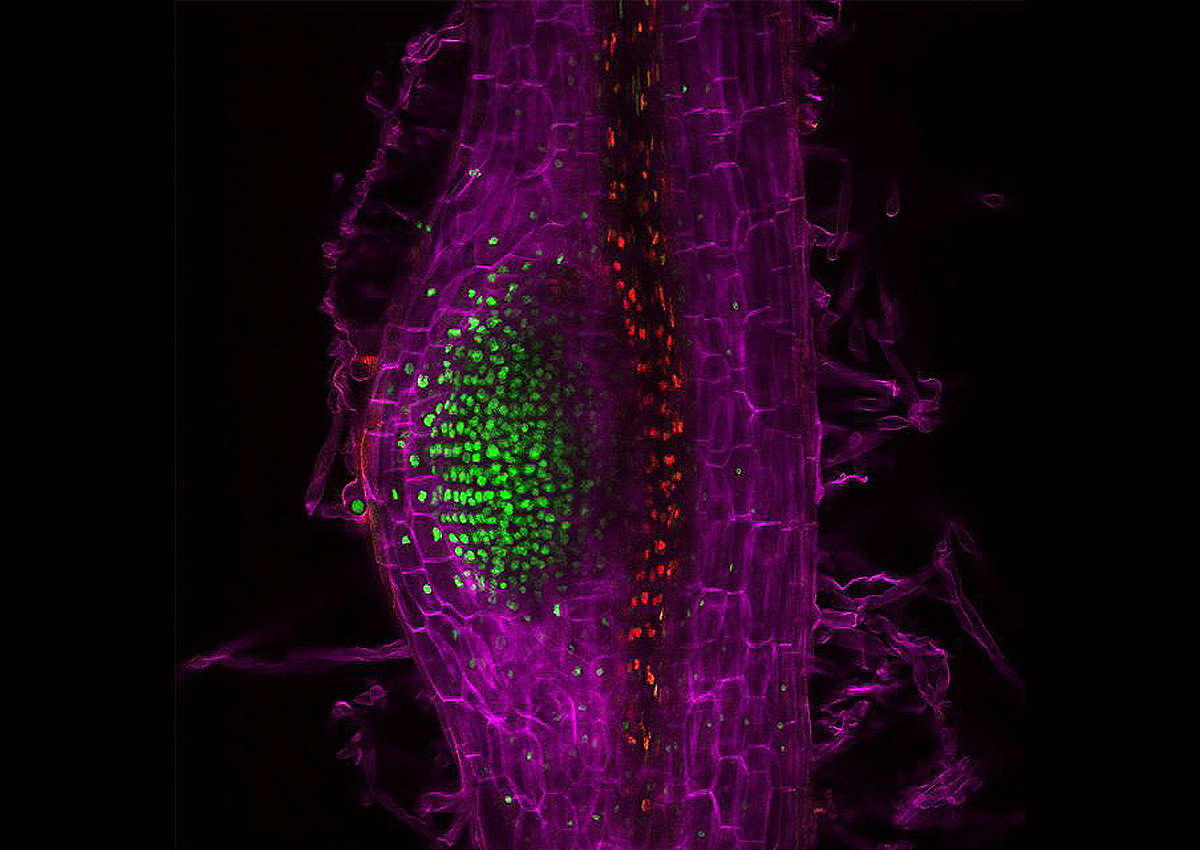
Scientists at the University of Florida Institute of Food and Agricultural Sciences (UF/IFAS) are now one step closer to developing plants with the ability to harness nitrogen-fixing bacteria.
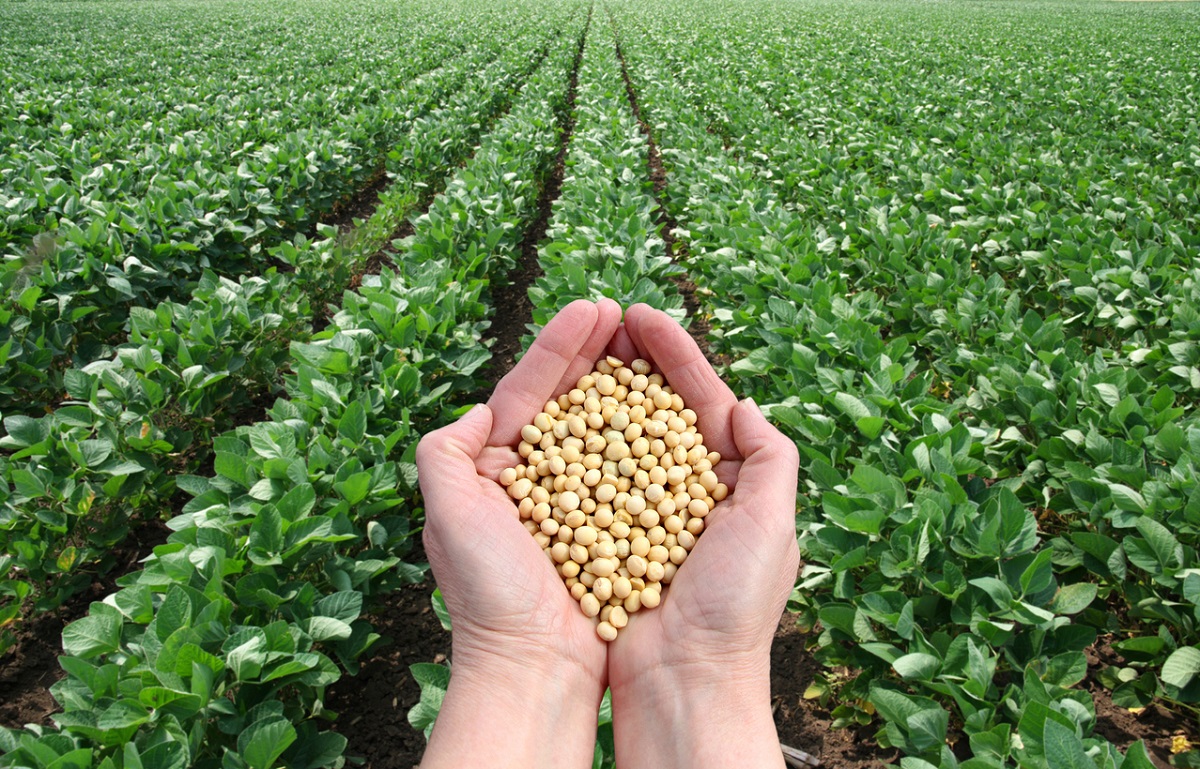
Argentina based the revisions to its regulatory framework on the current global scientific advances and the country's 30 years of experience and lessons learned, specifically on establishing the absence of new or increased risks with respect to the previously assessed genetically modified (GM) crops.
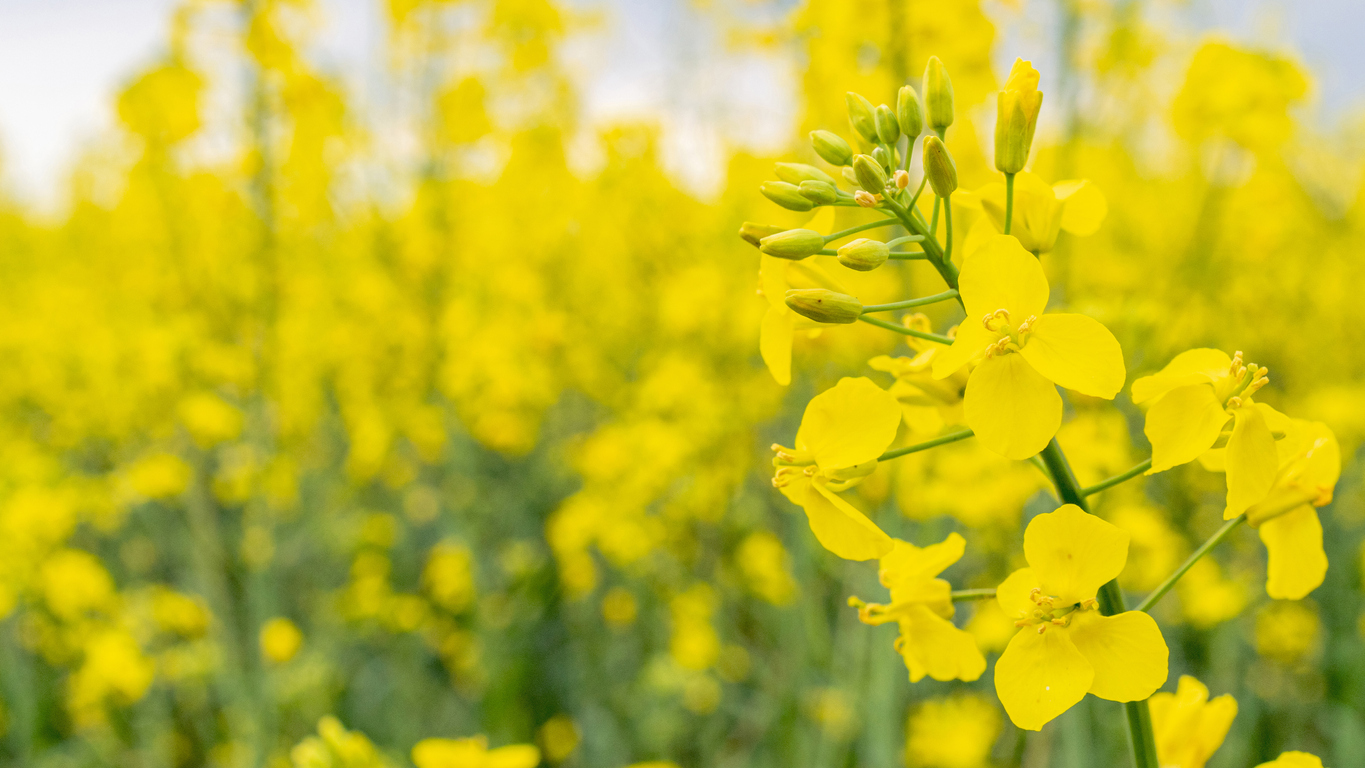
Researchers at the University of Calgary used gene editing technology to develop a shorter, highly branched canola variety with more pods and easier to harvest. This improvement is based on the needs of canola producers.