

KAUST Breakthrough Enables Precise Super-Sized Gene Editing in Crops
July 29, 2026| |
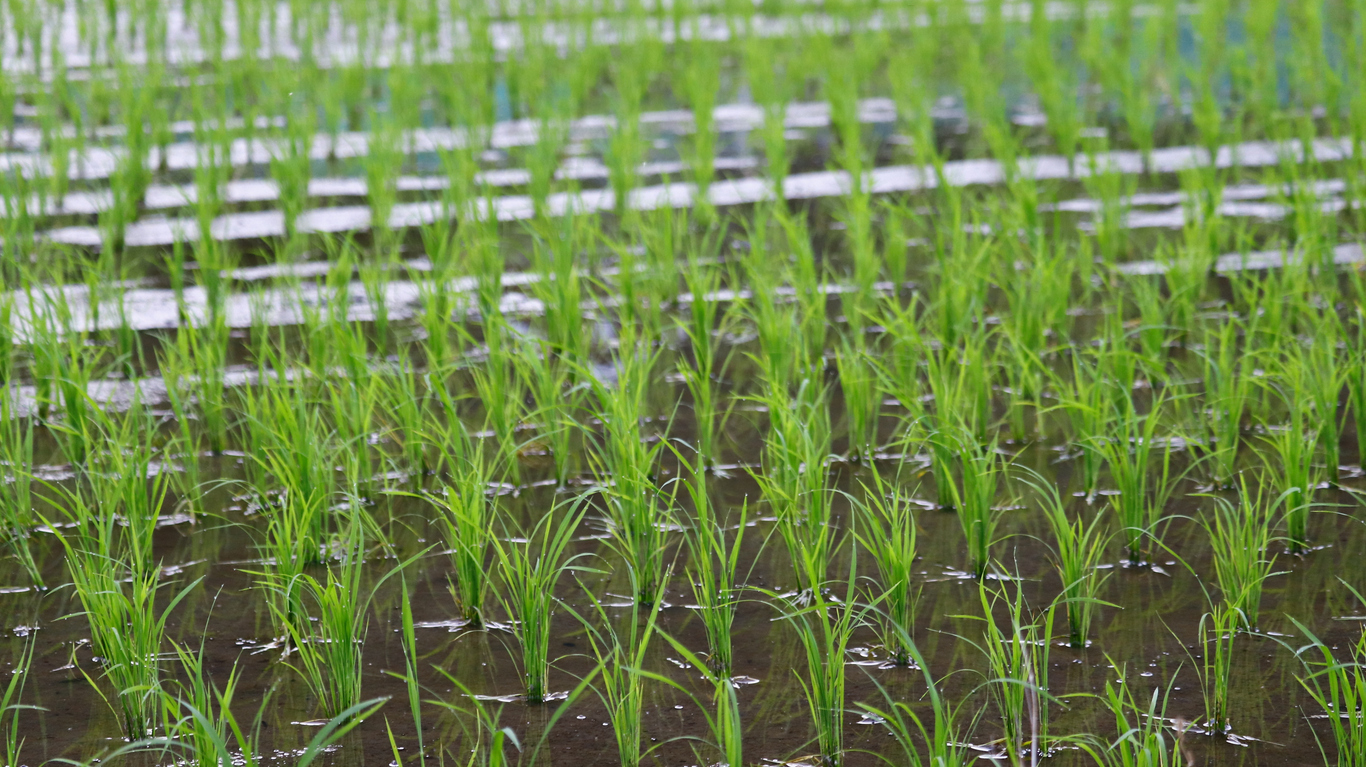
Researchers at King Abdullah University of Science and Technology (KAUST) have developed a new method that allows large pieces of genetic information to be inserted into plants with precision. Published in Nature Biotechnology, the study overcomes a long-standing hurdle in plant science, where adding full-length genes has proven far more difficult than simple gene editing.
Successfully tested in both tobacco and rice crops, the method gives scientists precise control over where foreign genetic material is placed within a genome. Unlike traditional genome editing tools like CRISPR that typically rely on breaking DNA strands to make alterations, the new KAUST approach inserts large genetic sequences without causing structural breaks. This safer, cleaner insertion method is vital for introducing multi-gene traits that require multiple genetic instructions working in harmony. Senior author Professor Magdy Mahfouz highlighted that future advances in plant biotechnology depend heavily on the ability to add entirely new genetic instructions rather than merely tweaking existing ones.
While the technology is currently in its research phase, it paves the way for major breakthroughs in agricultural resilience and bio-manufacturing. Scientists hope to use the technique to design crops that can better withstand extreme climate conditions and diseases. Beyond agriculture, the innovation opens up new possibilities for synthetic biology, potentially turning plants into scalable biological factories capable of producing complex pharmaceuticals, vaccines, and high-value biologics.
For more details, read the news article in the KAUST website.
| |
You might also like:
- KAUST Researchers Clone Wheat Disease Resistance Genes
- Multigene Engineering for Sustainable Biotechnological Production of Saffron's Active Ingredient
- Gene Discovery Transfers Rust Resistance to Wheat from Wild Relative
Biotech Updates is a weekly newsletter of ISAAA, a not-for-profit organization. It is distributed for free to over 22,000 subscribers worldwide to inform them about the key developments in biosciences, especially in biotechnology. Your support will help us in our mission to feed the world with knowledge. You can help by donating as little as $10.
-
See more articles:
-
Gene Editing Supplement (July 29, 2026)
-
Research and Tools
- KAUST Breakthrough Enables Precise Super-Sized Gene Editing in Crops
- Gene Editing Improves Tomato Resistance to Drought and Cucumber Mosaic Virus
- Enhancing Soybean's Phytophthora sojae Resistance Through Gene Editing
- Mutation in Rice Protein Kinase Leads to Drought Tolerance
-
Read the latest: - Biotech Updates (September 16, 2026)
- Gene Editing Supplement (August 26, 2026)
- Gene Drive Supplement (February 22, 2023)
-
Subscribe to BU: - Share
- Tweet