

Mutation in Rice Protein Kinase Leads to Drought Tolerance
July 29, 2026| |
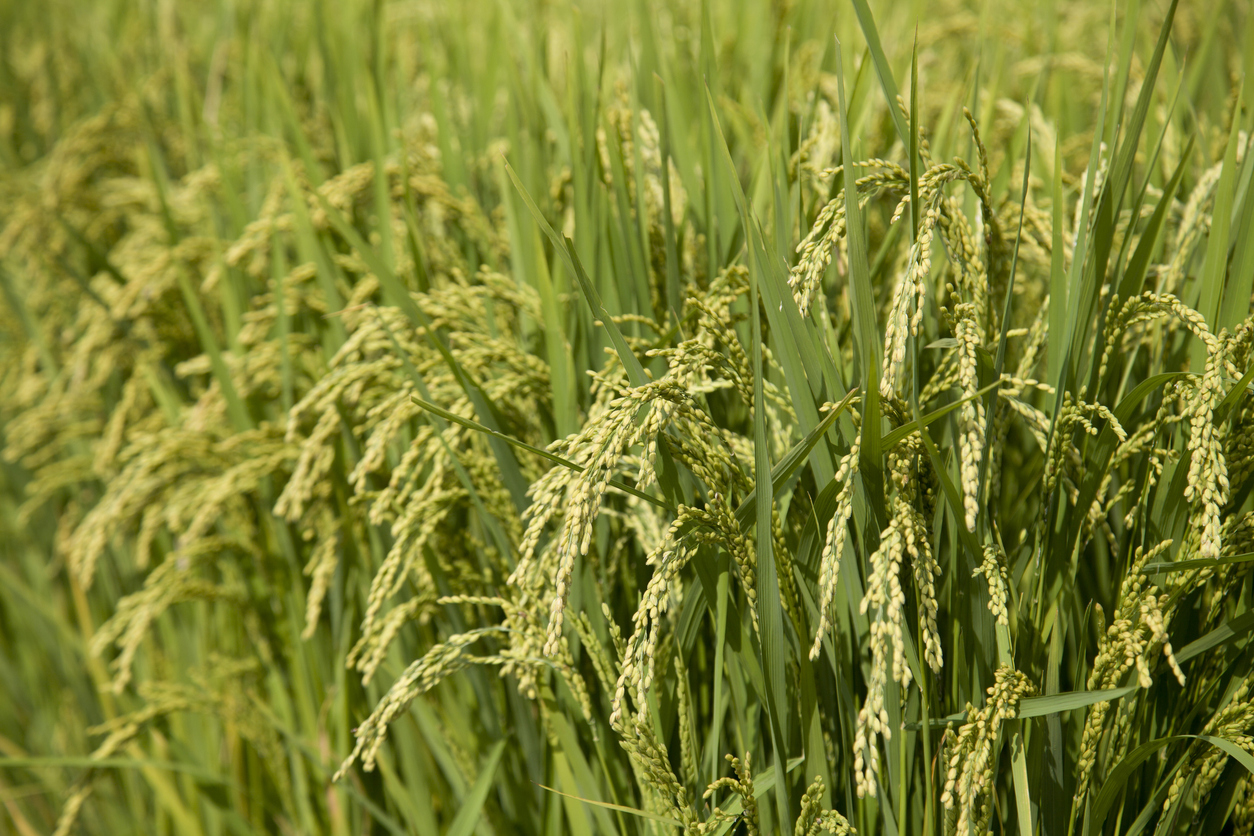
Drought poses a major threat to rice farming, making it crucial to understand how plants manage water stress so scientists can breed hardier crops. In a study conducted by researchers at Kangwon National University, it was elucidated how a unique mutant rice strain handles drought remarkably well. By mapping its genetics, they traced this drought resilience back to a specific mutation in a gene called OsRRK1. When working normally, this gene acts like a chemical off-switch for drought defense. By disabling this switch through gene editing and crossbreeding, the scientists produced rice plants that naturally resist dry conditions far better than standard varieties.
At the cellular level, this genetic switch works by altering how the plant processes energy. In conventional rice, the OsRRK1 gene modifies a key enzyme to slow down sugar production during a drought. However, in the resilient mutant rice, this modification is blocked. This block triggers the plant to ramp up its sugar metabolism, creating a high accumulation of soluble sugars that protect the plant's cells from drying out.
The study, published in Plant Physiology, reveals a direct link between plant metabolism and climate survival, providing breeders with a powerful new genetic blueprint to safeguard rice production against worsening global droughts.
Discover more in Plant Physiology.
| |
You might also like:
- Pocket K No. 37: Biotech Rice
- Quarter Century of Golden Rice: Innovation and Impact in the Past 25 Years
- Scientists Discover Gene to Help Rice Escape Heat and Protect Yields
Biotech Updates is a weekly newsletter of ISAAA, a not-for-profit organization. It is distributed for free to over 22,000 subscribers worldwide to inform them about the key developments in biosciences, especially in biotechnology. Your support will help us in our mission to feed the world with knowledge. You can help by donating as little as $10.
-
See more articles:
-
Gene Editing Supplement (July 29, 2026)
-
Research and Tools
- KAUST Breakthrough Enables Precise Super-Sized Gene Editing in Crops
- Gene Editing Improves Tomato Resistance to Drought and Cucumber Mosaic Virus
- Enhancing Soybean's Phytophthora sojae Resistance Through Gene Editing
- Mutation in Rice Protein Kinase Leads to Drought Tolerance
-
Read the latest: - Biotech Updates (September 16, 2026)
- Gene Editing Supplement (August 26, 2026)
- Gene Drive Supplement (February 22, 2023)
-
Subscribe to BU: - Share
- Tweet