

Enhancing Soybean's Phytophthora sojae Resistance Through Gene Editing
July 29, 2026| |
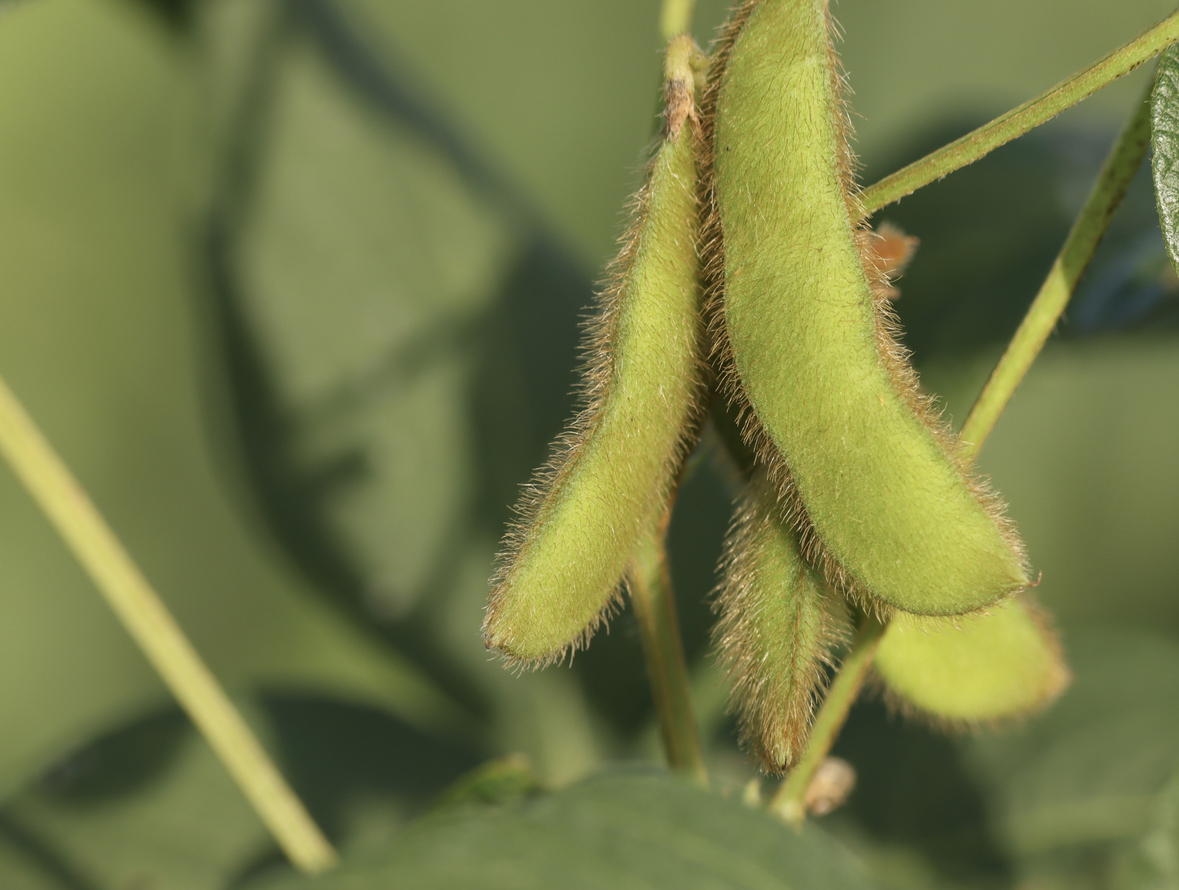
Northeast Agricultural University researchers reported in the journal Plants that overexpression of a soybean gene via CRISPR-Cas9 improves resistance to Phytophthora root rot, a major soybean disease that impacts yield and quality.
The research team investigated a specific soybean protein, GmHIR1, to see whether it helps the plant defend itself against the disease. By comparing conventional soybeans to gene-edited versions (some modified to produce extra GmHIR1 and others with the protein completely disabled) they found that this protein acts as a critical line of defense. When infected with the disease-causing mold, plants lacking the protein suffered widespread cell death and severe damage, whereas plants with extra GmHIR1 successfully contained the infection and prevented the mold from spreading.
The study demonstrates that GmHIR1 plays a vital role in enhancing soybean's natural immune system. It can trigger early defense signals, manage chemical stress, and activate protective pathways that block the disease. By identifying exactly how this protein shields the plant, researchers have found a promising genetic tool that could be used to breed tougher, disease-resistant soybean crops in the future.1
Read the open-access research article for more findings.
| |
You might also like:
- Gene Editing Helps Identify Genetic Module Regulating Soybean Seed Traits
- Soybean (Glycine max L.) GM Events
- Researchers Identify Soybean Gene Enhancing Yield and Quality
Biotech Updates is a weekly newsletter of ISAAA, a not-for-profit organization. It is distributed for free to over 22,000 subscribers worldwide to inform them about the key developments in biosciences, especially in biotechnology. Your support will help us in our mission to feed the world with knowledge. You can help by donating as little as $10.
-
See more articles:
-
Gene Editing Supplement (July 29, 2026)
-
Research and Tools
- KAUST Breakthrough Enables Precise Super-Sized Gene Editing in Crops
- Gene Editing Improves Tomato Resistance to Drought and Cucumber Mosaic Virus
- Enhancing Soybean's Phytophthora sojae Resistance Through Gene Editing
- Mutation in Rice Protein Kinase Leads to Drought Tolerance
-
Read the latest: - Biotech Updates (September 16, 2026)
- Gene Editing Supplement (August 26, 2026)
- Gene Drive Supplement (February 22, 2023)
-
Subscribe to BU: - Share
- Tweet