

Advanced Rice Breeding Delivers Up to 82% Higher Yields Under Drought Conditions
September 23, 2026| |
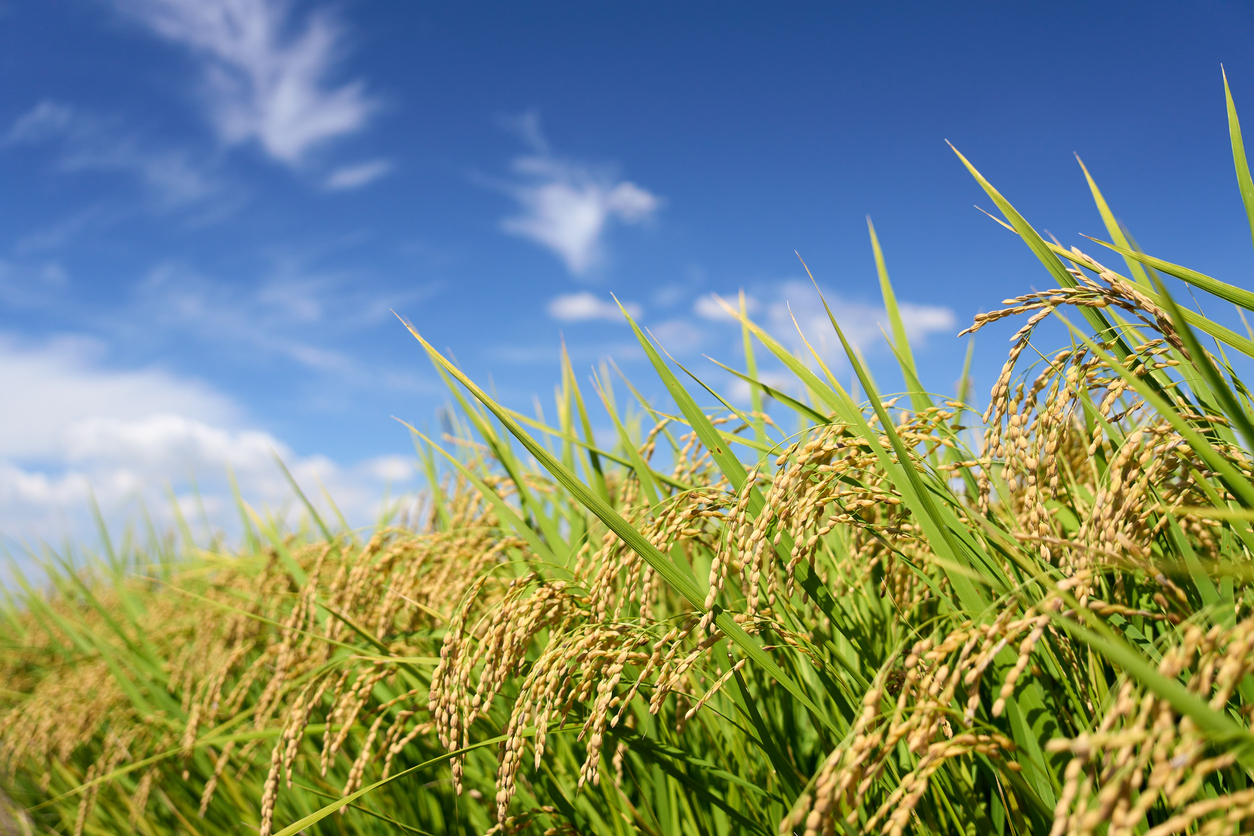
Researchers from India have successfully developed advanced rice breeding lines capable of producing yield gains between 36 to 82 percent under drought conditions. Published in the Indian Journal of Genetics and Plant Breeding, the study evaluated 40 breeding lines carrying four combined drought-tolerance genes (QTLs) inserted into the popular DRR Dhan 50 rice variety. Five standout lines led by QTV 108-4 and QTV 108-3, demonstrated remarkable resilience against severe water stress, showing high genetic stability that allows these protective traits to pass reliably to future generations.
The achievement relies on Quantitative Trait Loci (QTL) pyramiding, a conventional, marker-assisted breeding technique rather than genetic engineering or transgenic modification. Because no foreign genes were introduced, these new rice varieties bypass the extensive regulatory delays typically associated with genetically modified (GM) crops in India. This conventional approach provides a crucial shortcut for delivering climate-resilient seeds directly to farmers facing erratic weather patterns without waiting on shifts in national GM policy.
This innovation holds significant promise for rainfed agriculture across eastern and central India, as well as drought-prone regions in Africa and Southeast Asia. By identifying key traits such as spikelet fertility and harvest index, the research team from Malla Reddy University, ICAR-Indian Institute of Rice Research Hyderabad, Central Agricultural University, and ICAR-National Institute for Plant Biotechnology, has created a clear, scalable blueprint for international breeding programs aiming to safeguard global food security against intensifying climate risks.
For more details, read the article in Global Agriculture.
| |
You might also like:
- Gene Editing Delivers Easier-to-Digest, Better-Tasting Rice
- Genetic Trim Boosts Rice Yield by 25%
- Dual-Function Rice Gene Boosts Drought Tolerance and Grain Yield
Biotech Updates is a weekly newsletter of ISAAA, a not-for-profit organization. It is distributed for free to over 22,000 subscribers worldwide to inform them about the key developments in biosciences, especially in biotechnology. Your support will help us in our mission to feed the world with knowledge. You can help by donating as little as $10.
-
See more articles:
-
News from Around the World
- ISAAA Engages Public with Forum and Exhibit at National Biotechnology Week 2026
-
Plant
- EU Authorizes Two GM Soybeans and Renews GM Maize for Food and Animal Feed Use
- Scientists Engineer Bt Biopesticide to Withstand Extreme Heat
- Scientists Identify Key Vacuolar Protein in Soybean Nematode Defense
- GM Crop Adoption Reduced Carbon Footprint, Report Shows
- Advanced Rice Breeding Delivers Up to 82% Higher Yields Under Drought Conditions
- Emotion and Reason Drive Farmers' GM Maize Adoption Decisions
- Updated Infographics on the Contributions of Biotech Crops to Food Security, Sustainability, and Climate Change Solutions Now Available
-
Read the latest: - Biotech Updates (September 23, 2026)
- Gene Editing Supplement (August 26, 2026)
- Gene Drive Supplement (February 22, 2023)
-
Subscribe to BU: - Share
- Tweet