

Gene Editing Delivers Easier-to-Digest, Better-Tasting Rice
August 26, 2026| |
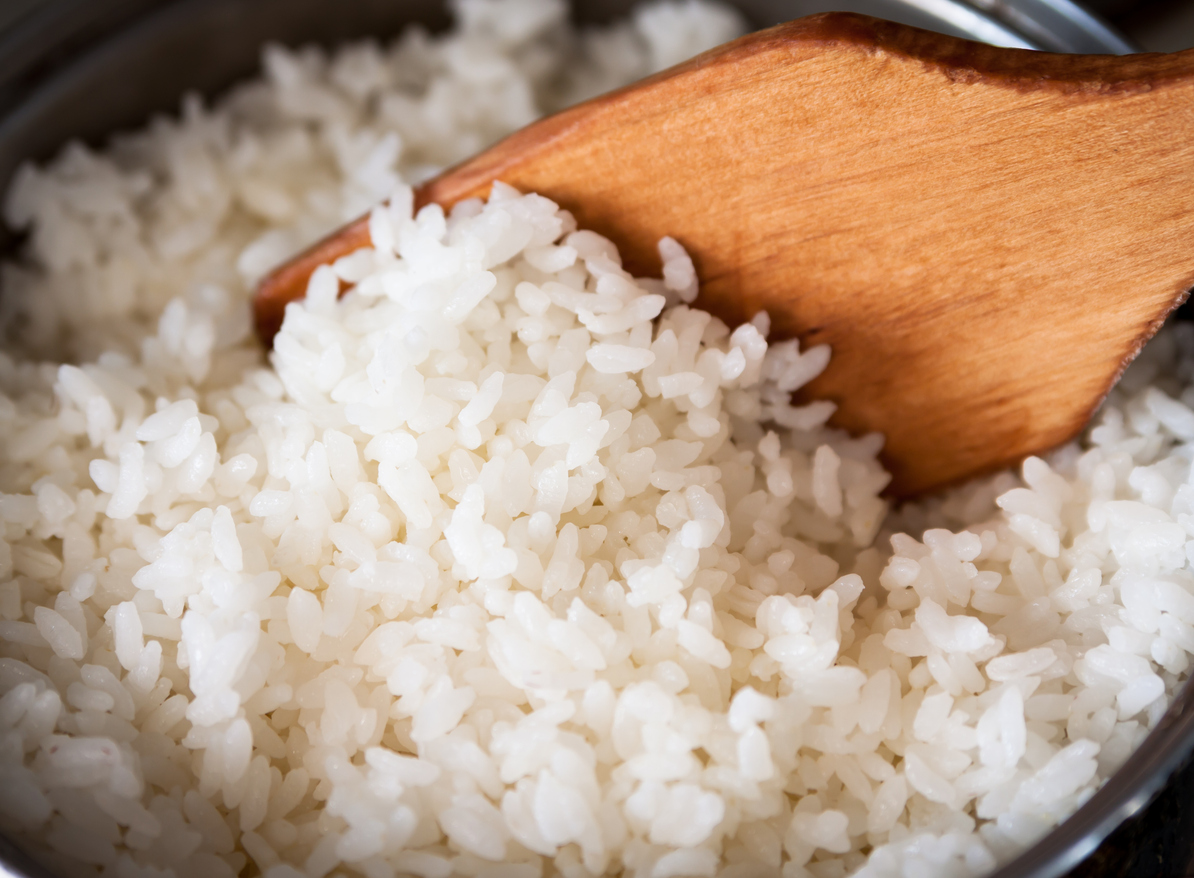
Henan University researchers from China have harnessed gene editing to address a longstanding challenge in staple food quality: reducing 13 kDa prolamin, a seed protein in rice that is notoriously difficult for humans to digest and a common contributor to food sensitivities. By precisely turning off the specific genes responsible for this protein subgroup, the team developed novel rice lines with significantly lower prolamin levels. This targeted edit not only improves the grain's overall digestibility and reduces potential allergens, but also optimizes its nutritional profile, thus offering a promising technique for healthier, consumer-focused staple crops.
Beyond health benefits, the study published in the Journal of Integrative Plant Biology highlights a direct payoff for sensory quality: reducing these dense proteins dramatically improves how rice cooks and tastes. The gene modification triggers a natural rebalancing within the grain, boosting desirable proteins while refining starch structure and texture. These structural changes lower parameters like apparent amylose and total protein content, which directly correlate with a softer, fluffier texture and superior flavor when cooked.
The findings show how precise genetic tools can combine improved human nutrition with the eating qualities consumers demand.
Read more from the Journal of Integrative Plant Biology.
| |
You might also like:
- GE Rice Linked with Hunger, Health, and Climate Resilience
- New Study Finds Global Rice Cultivation Emissions Have Doubled in 60 Years
- Prime Editing in Rice Leads to Broad-spectrum Bacterial Blight Resistance
Biotech Updates is a weekly newsletter of ISAAA, a not-for-profit organization. It is distributed for free to over 22,000 subscribers worldwide to inform them about the key developments in biosciences, especially in biotechnology. Your support will help us in our mission to feed the world with knowledge. Support ISAAA by subscribing as a Premium or Elite Subscriber
-
See more articles:
-
Gene Editing Supplement (August 26, 2026)
-
Research and Tools
- Scientists Turn Red Strawberry White Using CRISPR
- Gene Editing Boosts Tolerance of Tomato Against Salt Stress
- Gene Editing Delivers Easier-to-Digest, Better-Tasting Rice
- OsPLDβ1 Disruption Improves Salt Stress Tolerance in Rice
-
Read the latest: - Biotech Updates (October 14, 2026)
- Gene Editing Supplement (September 30, 2026)
- Gene Drive Supplement (February 22, 2023)
-
Subscribe to BU: - Share
- Tweet