

Gene Editing Cuts Cadmium in Rice Grains Without Yield Penalty
September 2, 2026| |
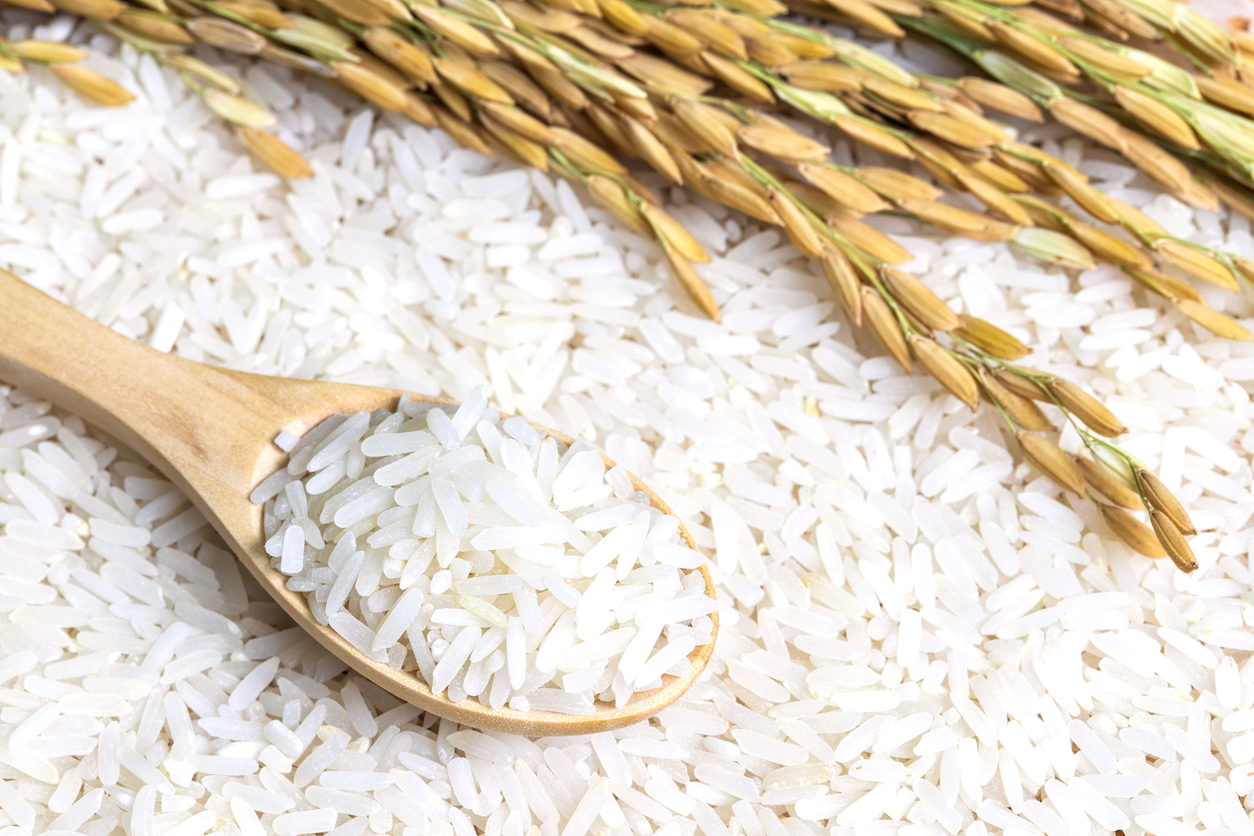
Researchers from the Chinese Academy of Sciences and partners have identified a gene that could help develop rice varieties with lower cadmium (Cd) levels while maintaining crop yields. The findings of the study could support efforts to improve food safety in areas where paddy soils are contaminated with Cd, a toxic heavy metal that can enter the food chain through crops.
The researchers found that Cd exposure increased OsGONST3 activity in rice roots and shoots. The gene encodes a protein located in the cell membrane that appears to help Cd enter plant tissues. When OsGONST3 was disrupted using CRISPR-Cas9, mutant rice plants had 22-25% less Cd in their roots, about 13% less in shoots, and 16-21% less in xylem sap compared with normal plants under controlled conditions. In contrast, plants that overexpressed the gene accumulated substantially more Cd in these tissues.
Field trials showed that disrupting OsGONST3 reduced Cd levels in rice grains by about 25-26% without significantly affecting yield. The researchers also observed changes in other genes involved in Cd regulation. The findings identify OsGONST3 as a promising genetic target for breeding low-Cd rice and limiting the entry of Cd into the food supply.
For more information, read the study in the Journal of Hazardous Materials.
| |
You might also like:
- Tiny Gene Edit Cuts Toxic Cadmium in Rice by Half
- Gene Knockout Provides Insights to Reducing Cadmium in Rice Grains
- Low-cadmium Rice Developed Using CRISPR-Cas9
Biotech Updates is a weekly newsletter of ISAAA, a not-for-profit organization. It is distributed for free to over 22,000 subscribers worldwide to inform them about the key developments in biosciences, especially in biotechnology. Your support will help us in our mission to feed the world with knowledge. You can help by donating as little as $10.
-
See more articles:
-
News from Around the World
- Webinar: Global Impact of Commercialized Biotech/GM Crops
-
Plant
- Gene Editing Cuts Cadmium in Rice Grains Without Yield Penalty
- Panama Issues Resolution to Classify Gene-Edited Organisms as Conventional Crops
- Closing a Genetic "Backdoor" Could Save Bananas from Fusarium Wilt
- CRISPR-Based Sensor Detects Arsenic Contamination in Rice
- ISAAA and 2Blades Release Infographics on Fungal-resistant Corn
-
Animal
- Consumers Weigh Risks and Benefits of Animal Biotechnology
- U.S. Consumers Show Interest in Learning About CRISPR-Edited Pork
-
Food
- ASCA9 Convenes Regional Leaders for Regulatory Cooperation and Innovation
-
Read the latest: - Biotech Updates (October 14, 2026)
- Gene Editing Supplement (September 30, 2026)
- Gene Drive Supplement (February 22, 2023)
-
Subscribe to BU: - Share
- Tweet