

Panama Issues Resolution to Classify Gene-Edited Organisms as Conventional Crops
September 2, 2026| |
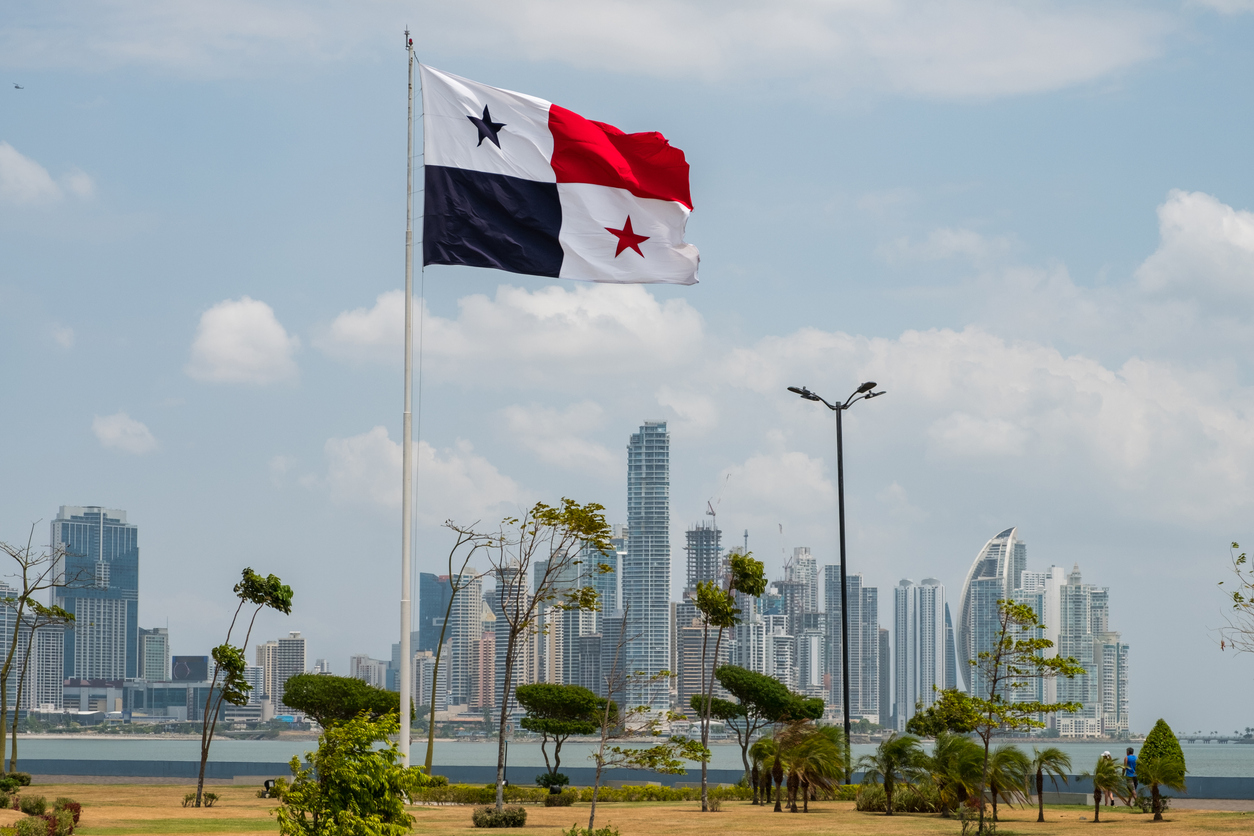
Panama's National Biosafety Commission for Genetically Modified Organisms has issued Resolution CNB 008-2026, creating a framework that uses scientific criteria to evaluate gene-edited crops and organisms. Under the new rules, products developed using New Breeding Techniques (NBTs) will be classified as conventional organisms, exempting them from traditional GMO regulations.
Resolution CNB 008-2026 represents a major regulatory milestone in Panama's agricultural policy, positioning the country alongside other Latin American nations that have updated their biosafety frameworks to account for modern gene editing tools. The new resolution establishes formal procedures to evaluate NBTs, such as CRISPR-Cas genome editing. Under the new scientific criteria, an edited organism is classified as conventional if it does not contain a stable insertion of foreign recombinant genetic material that could not be obtained through traditional breeding or natural mutation.
Administrative procedures under the resolution operate through the Prior Consultation Request (ICP) process, which offers two distinct assessment modalities. The first is an optional ICP for Hypothetical or R&D Stage products, allowing applicants at the conceptual or early lab stage to submit informal inquiries to receive non-binding guidance on how their prospective product will likely be treated once developed. The second is a definitive ICP for Environmental Release or Commercialization, requiring developers seeking market distribution to submit complete genetic, phenotypic, and procedural data for a binding determination. The framework follows a principle of continuity, allowing applicants to transition between modalities without re-submitting validated information. Standard ICP evaluations must be completed within 80 business days, though this timeframe can be extended up to 120 business days for highly complex scientific reviews.
The Resolution is available in Panama's Official Gazette No. 30559 D.
| |
You might also like:
- Global Developments on Regulatory Frameworks and Possible Harmonization
- Treating NGTs as Conventional Products May Improve Market Acceptance
- US EPA Releases Final Rule on Regulating Gene-edited Crops
Biotech Updates is a weekly newsletter of ISAAA, a not-for-profit organization. It is distributed for free to over 22,000 subscribers worldwide to inform them about the key developments in biosciences, especially in biotechnology. Your support will help us in our mission to feed the world with knowledge. You can help by donating as little as $10.
-
See more articles:
-
News from Around the World
- Webinar: Global Impact of Commercialized Biotech/GM Crops
-
Plant
- Gene Editing Cuts Cadmium in Rice Grains Without Yield Penalty
- Panama Issues Resolution to Classify Gene-Edited Organisms as Conventional Crops
- Closing a Genetic "Backdoor" Could Save Bananas from Fusarium Wilt
- CRISPR-Based Sensor Detects Arsenic Contamination in Rice
- ISAAA and 2Blades Release Infographics on Fungal-resistant Corn
-
Animal
- Consumers Weigh Risks and Benefits of Animal Biotechnology
- U.S. Consumers Show Interest in Learning About CRISPR-Edited Pork
-
Food
- ASCA9 Convenes Regional Leaders for Regulatory Cooperation and Innovation
-
Read the latest: - Biotech Updates (October 14, 2026)
- Gene Editing Supplement (September 30, 2026)
- Gene Drive Supplement (February 22, 2023)
-
Subscribe to BU: - Share
- Tweet