

Closing a Genetic "Backdoor" Could Save Bananas from Fusarium Wilt
September 2, 2026| |
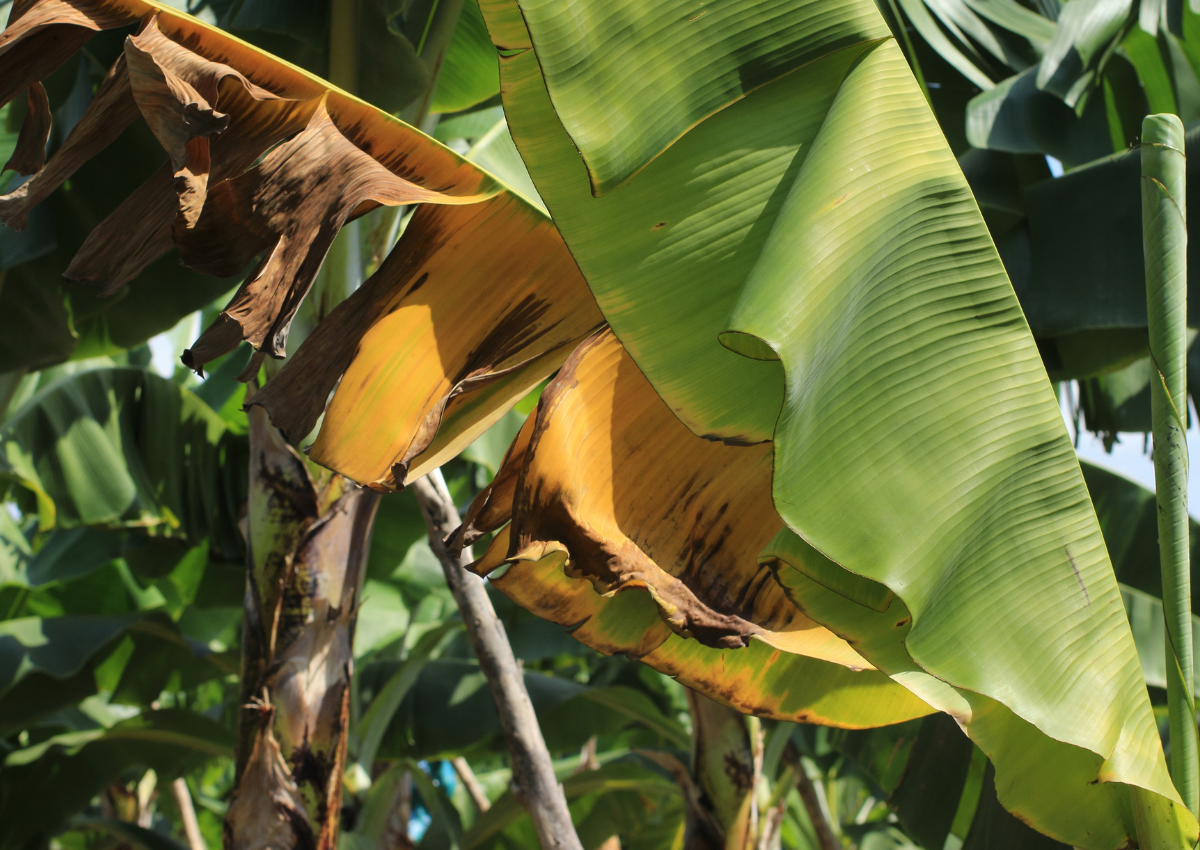
Scientists from the Brazilian Agricultural Research Corporation and the Federal University of Recôncavo da Bahia in Brazil have uncovered a "genetic backdoor" that makes banana plants more susceptible to a devastating fungal disease, the Fusarium wilt. By tracking the MusaDMR6 gene in 'Prata-Anã' banana cultivar infected with the fungi, researchers found a key target that could be disabled using gene editing to grow disease-resistant crops and reduce reliance on agrochemicals.
To study how the disease progresses, young banana plants were infected with the fungus Fusarium oxysporum f. sp. cubense. Plant tissue was collected at different time points over 72 hours to measure gene activity and examine cell damage, while another set of plants was monitored to track long-term internal rot. Although physical barriers were built inside the roots in an attempt to protect the plants, these defenses were easily overpowered by the fungus, and severe internal rot was observed in 80% of the plant tissue after 90 days.
While MusaDMR6 was already known to help bacteria infect bananas, this study proves for the first time that the gene reacts the same way to a deadly fungal attack. 72 hours after infection, the effect of the MusaDMR6 gene suddenly spiked and turned down the crop's immune system rather than defending the plant, making it easier for the fungus to take over. With this, scientists can now use gene-editing tools like CRISPR to "close the backdoor" by knocking out the gene and restore the natural immune response of bananas without introducing foreign DNA or requiring traditional cross-breeding. This targeted approach offers a direct path to growing disease-resistant crops, safeguarding both agricultural economies and the global banana supply.
To learn more, you may read the full study via Molecular Biology Reports.
| |
Biotech Updates is a weekly newsletter of ISAAA, a not-for-profit organization. It is distributed for free to over 22,000 subscribers worldwide to inform them about the key developments in biosciences, especially in biotechnology. Your support will help us in our mission to feed the world with knowledge. You can help by donating as little as $10.
-
See more articles:
-
News from Around the World
- Webinar: Global Impact of Commercialized Biotech/GM Crops
-
Plant
- Gene Editing Cuts Cadmium in Rice Grains Without Yield Penalty
- Panama Issues Resolution to Classify Gene-Edited Organisms as Conventional Crops
- Closing a Genetic "Backdoor" Could Save Bananas from Fusarium Wilt
- CRISPR-Based Sensor Detects Arsenic Contamination in Rice
- ISAAA and 2Blades Release Infographics on Fungal-resistant Corn
-
Animal
- Consumers Weigh Risks and Benefits of Animal Biotechnology
- U.S. Consumers Show Interest in Learning About CRISPR-Edited Pork
-
Food
- ASCA9 Convenes Regional Leaders for Regulatory Cooperation and Innovation
-
Read the latest: - Biotech Updates (October 14, 2026)
- Gene Editing Supplement (September 30, 2026)
- Gene Drive Supplement (February 22, 2023)
-
Subscribe to BU: - Share
- Tweet