

Study Reveals that Shifting to Healthier, More Sustainable Diets Would Reshape Global Agriculture by 2050
July 29, 2026| |
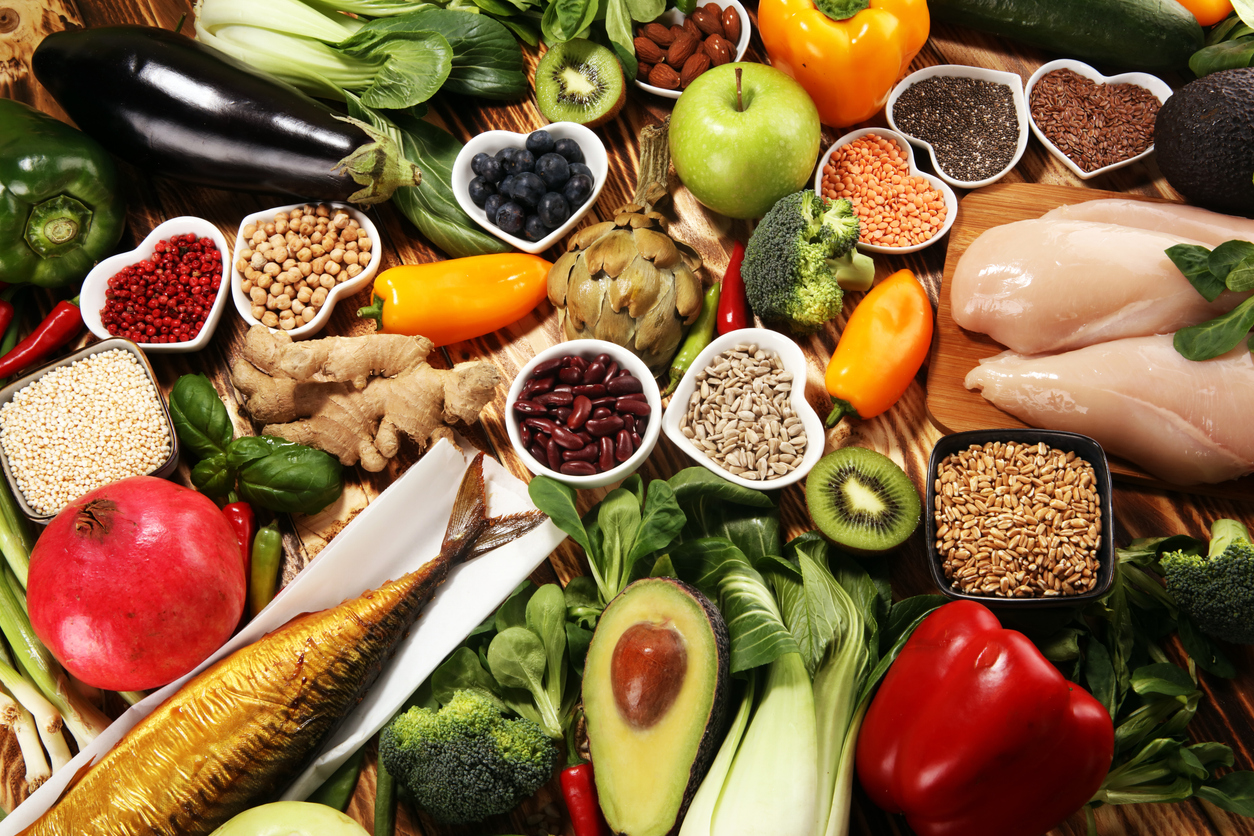
Shifting toward healthier, more sustainable global food systems by 2050 could substantially reshape global agriculture while slashing environmental damage, according to a study published in Nature. Led by researchers at Cornell University alongside the Potsdam Institute for Climate Impact Research (PIK), the study evaluated 10 global food system models to compare a "business-as-usual" trajectory against a transformation scenario characterized by healthy diets, improved crop yields, and halved food waste.
The study's findings show that continuing on the current path is the far costlier choice, whereas transforming global food systems could sustainably nourish a growing population without expanding agricultural boundaries. The research reveals that adopting sustainable diets such as the flexitarian Planetary Health Diet would reduce global agricultural land use by 9% and cut net carbon dioxide emissions from land-use change by 76% compared to business-as-usual by 2050. Because a larger share of crops would be consumed directly by humans rather than grown for animal feed, livestock production value would drop by 60%, driving down overall agricultural output by 17%. However, this decline would be partially offset by a projected 23% increase in the production value of vegetables, fruits, nuts, and legumes, alongside a one-third reduction in direct agricultural greenhouse gas emissions.
While the health and environmental gains of this transition are global, the economic impacts will be concentrated in livestock-dependent rural communities. Study authors emphasize that navigating this shift will require proactive policy decisions and targeted support for farmers and regions affected by structural changes. By implementing coherent agricultural strategies today, policymakers can help vulnerable producers adapt while securing vital gains for public health and planetary stability.
For more information, read the article in PIK News or download the open-access paper in Nature.
| |
You might also like:
- UN Releases Global Report on the State of Food Security and Nutrition
- FAO: Food Availability, Accessibility, Affordability, and Quality Necessary for Food Security
- Climate Change Worsens Agriculture’s Environmental Impacts
Biotech Updates is a weekly newsletter of ISAAA, a not-for-profit organization. It is distributed for free to over 22,000 subscribers worldwide to inform them about the key developments in biosciences, especially in biotechnology. Your support will help us in our mission to feed the world with knowledge. You can help by donating as little as $10.
-
See more articles:
-
Plant
- Researchers Identify Gene That Improves Soybean Cold Tolerance
- Genetic Trim Boosts Rice Yield by 25%
- Experts Propose Framework to Strengthen Insect Resistance Management for Bt Crops
- ASCA2026: Last Chance to Get Early Bird Discount
- Ugandan Farmers Show Strong Interest in Gene-Edited Cassava
-
Animal
- Researchers Dive Deep into Biophotons
-
Food
- Clemson Scientists Discover Reduced-Allergen Peanut Lines
- Study Reveals that Shifting to Healthier, More Sustainable Diets Would Reshape Global Agriculture by 2050
-
Read the latest: - Biotech Updates (September 16, 2026)
- Gene Editing Supplement (August 26, 2026)
- Gene Drive Supplement (February 22, 2023)
-
Subscribe to BU: - Share
- Tweet