

Study Finds Tomatoes, Carrots, and Lettuce Store Wastewater Contaminants in their Leaves
March 18, 2026| |
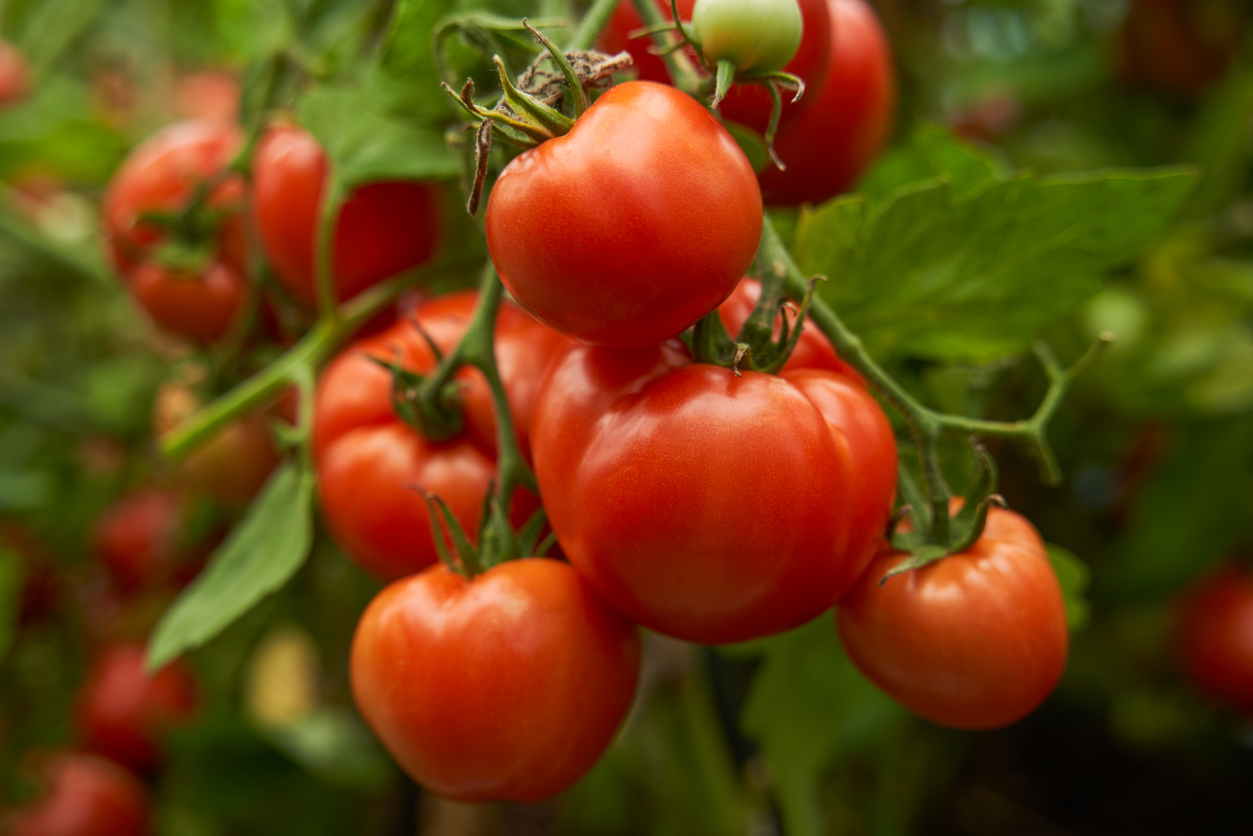
A new study from Johns Hopkins University has found that many common crops, including tomatoes, carrots, and lettuce, store pharmaceutical byproducts from treated wastewater primarily in their leaves rather than their edible portions. This discovery offers a sigh of relief for food safety, as it suggests the fruits and roots consumed by humans remain largely shielded from chemical contaminants.
The study, published in Environmental Science and Technology, is part of a project that explored the safety of using municipal wastewater to irrigate crops. Researchers focused on how plants process four psychoactive medications like antidepressants and seizure treatments, which are frequently found in recycled irrigation water, carbamazepine, lamotrigine, amitriptyline, and flouxetine. By tracking the path of these chemicals, the team discovered that water acts as a "superhighway," transporting the drugs through plant roots and stems to the leaves. Once the water evaporates through the leaf pores, the pharmaceutical compounds are left behind, effectively trapped in the plant's foliage because plants do not have a way to excrete waste.
While some medications like carbamazepine showed a higher tendency to accumulate across all plant tissues, the overall concentration in edible parts remained significantly lower than in the leaves. For example, pharmaceutical levels in tomato leaves were 200 times higher than in the fruit itself. These findings are expected to help regulators identify which crops are best suited for wastewater irrigation and which specific drugs pose the greatest risk of entering the human food supply.
For more details, read the news article in the Johns Hopkins University Hub.
| |
You might also like:
- Emerging Biotechnological Solutions for Plastic Waste Management
- Scientists Turn Plastic Waste into Vanilla Flavoring Using Engineered Bacteria
- Experts Convert Food Waste into Biofuel for Aircraft
Biotech Updates is a weekly newsletter of ISAAA, a not-for-profit organization. It is distributed for free to over 22,000 subscribers worldwide to inform them about the key developments in biosciences, especially in biotechnology. Your support will help us in our mission to feed the world with knowledge. You can help by donating as little as $10.
-
See more articles:
-
Plant
- NGT-1 Tomato and Eggplant Blooming in the Italian Spring
- Experts Target OsTRE1 to Improve Rice Stress Tolerance
- ISAAA Global Report on Biotech Adoption Now Available
- Study Highlights Benefits and Barriers to GM Crop Adoption in Sub-Saharan Africa
- Global Pangenome Map Unlocks Secret to Climate-Resilient Sorghum
- Study Finds Tomatoes, Carrots, and Lettuce Store Wastewater Contaminants in their Leaves
-
Animal
- Mosquito-Based Vaccines Show Potential to Protect Bats from Deadly Diseases
-
Environment
- Engineered Bacteria Turn Plastic Waste into Treatment for Parkinson’s Disease
-
Read the latest: - Biotech Updates (September 23, 2026)
- Gene Editing Supplement (August 26, 2026)
- Gene Drive Supplement (February 22, 2023)
-
Subscribe to BU: - Share
- Tweet