

Global Pangenome Map Unlocks Secret to Climate-Resilient Sorghum
March 18, 2026| |
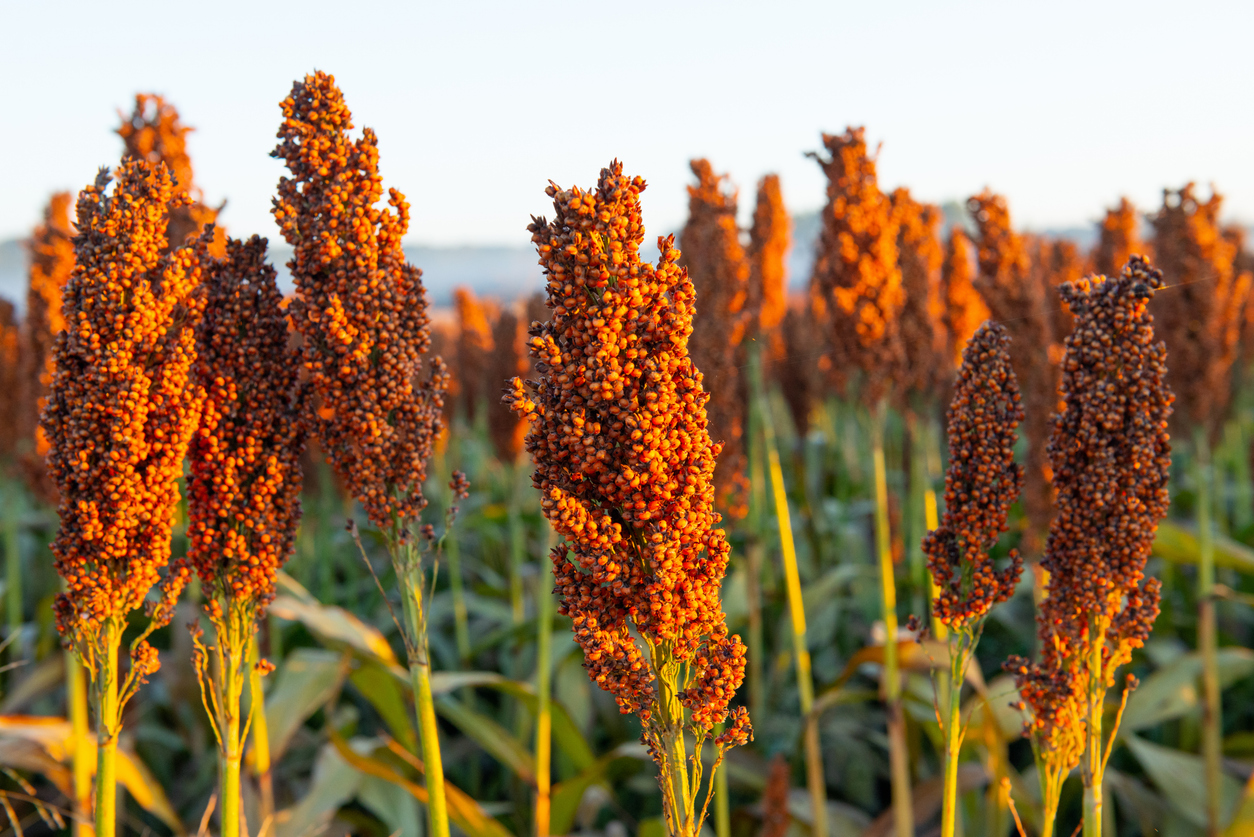
In a study published in Nature, scientists have unveiled a pangenome for sorghum, a staple crop for millions in arid regions. Traditional genomic research relies on a single reference genome, which often fails to account for the significant structural differences found across a species. To bridge this gap, the team constructed a 33-member pangenome reference and analyzed a diversity panel of 1,984 cultivars and landraces. This high-resolution map allows breeders to see hidden DNA variations that influence how plants grow, yield, and respond to environmental stress, transforming our understanding of one of the world's most resilient crops.
The research highlights how historical gene flow and human trade have shaped sorghum's genetic landscape over millennia. By using the pangenome, the team successfully traced the multicentric origins of sorghum domestication through structural variants in the SHATTERING1 gene, which controls seed release. The researchers also demonstrated the practical utility of this resource by connecting specific genetic clusters to the production of dhurrin, a natural defense compound in sorghum. These findings show that many of the most important agronomic traits are driven by large-scale DNA differences that were previously invisible to standard sequencing methods.
As climate change intensifies, the ability to rapidly develop crops that can withstand harsher, hotter, and more unpredictable conditions is more urgent than ever. Dr. Nadia Shakoor of the Danforth Center emphasized that this pangenome serves as a superior sorghum map for breeders, allowing them to detect and select beneficial traits with unprecedented speed. By integrating evolutionary history with modern landscape genetics, this resource provides a foundational platform for precision breeding and genome editing, ensuring that sorghum continues to serve as a vital source of food, feed, and biofuel for a growing global population.
For more details, read the articles in Nature and the Donald Danforth Plant Science Center.
| |
You might also like:
- New Technique to Unlock Sorghum's Huge Climate Change Potential
- Researchers Identify Genes that Help Sorghum Resist Striga by Preventing its Germination
- University of Nevada, Reno Researcher Develops Sorghum Varieties for Dairy Feed and Gluten-Free Food
Biotech Updates is a weekly newsletter of ISAAA, a not-for-profit organization. It is distributed for free to over 22,000 subscribers worldwide to inform them about the key developments in biosciences, especially in biotechnology. Your support will help us in our mission to feed the world with knowledge. You can help by donating as little as $10.
-
See more articles:
-
Plant
- NGT-1 Tomato and Eggplant Blooming in the Italian Spring
- Experts Target OsTRE1 to Improve Rice Stress Tolerance
- ISAAA Global Report on Biotech Adoption Now Available
- Study Highlights Benefits and Barriers to GM Crop Adoption in Sub-Saharan Africa
- Global Pangenome Map Unlocks Secret to Climate-Resilient Sorghum
- Study Finds Tomatoes, Carrots, and Lettuce Store Wastewater Contaminants in their Leaves
-
Animal
- Mosquito-Based Vaccines Show Potential to Protect Bats from Deadly Diseases
-
Environment
- Engineered Bacteria Turn Plastic Waste into Treatment for Parkinson’s Disease
-
Read the latest: - Biotech Updates (September 16, 2026)
- Gene Editing Supplement (August 26, 2026)
- Gene Drive Supplement (February 22, 2023)
-
Subscribe to BU: - Share
- Tweet