

Engineered Bacteria Turn Plastic Waste into Treatment for Parkinson’s Disease
March 18, 2026| |
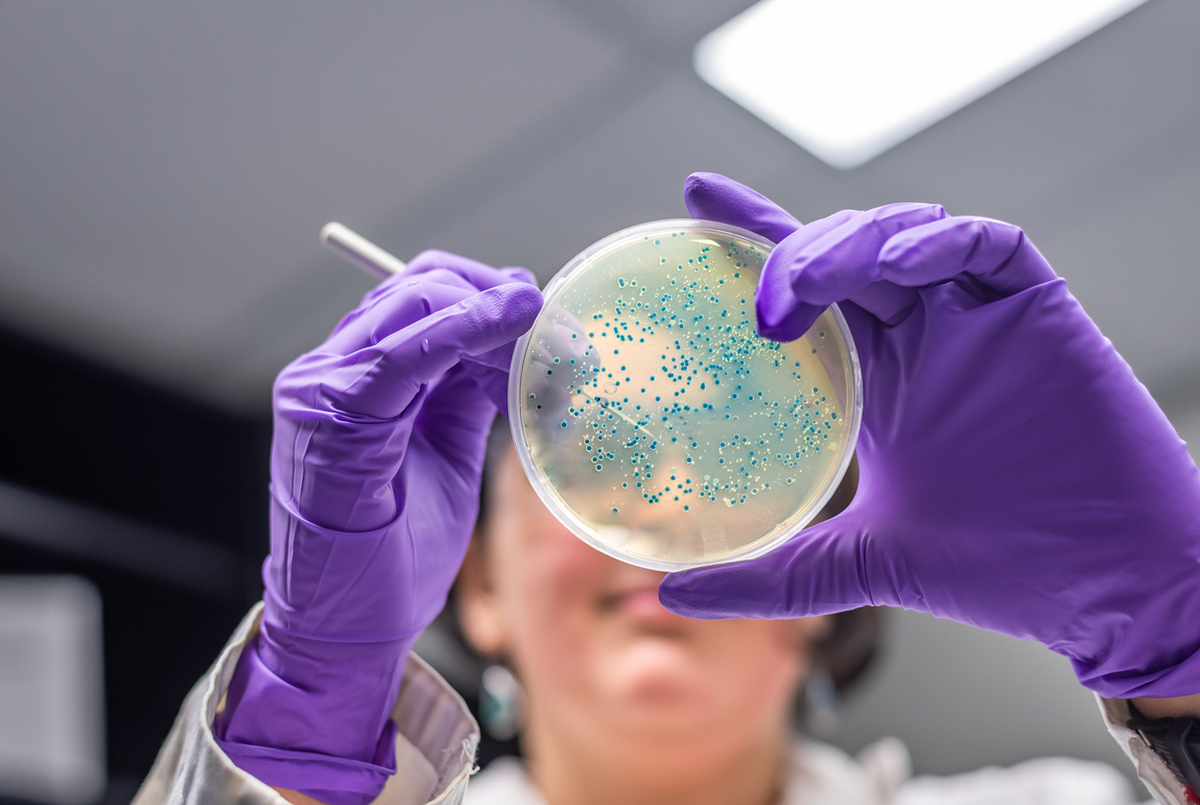
Scientists at the University of Edinburgh have developed a pioneering method to convert waste plastic into a drug used to treat Parkinson's disease. The study, published in Nature Sustainability, shows how bacteria can transform post-consumer plastic bottles into L-DOPA, a frontline medication for managing the neurological condition.
The researchers engineered Escherichia coli to break down polyethylene terephthalate (PET), a common plastic used in food and drink packaging, into terephthalic acid, which is then transformed into L-DOPA. According to Professor Stephen Wallace of the School of Biological Sciences, the approach demonstrates how waste materials can be repurposed into valuable products. “If we can create medicines for neurological disease from a waste plastic bottle, it's exciting to imagine what else this technology could achieve,” he said.
The findings suggest a more sustainable alternative to traditional pharmaceutical production. Researchers report that the method could help reduce plastic waste, with potential applications beyond medicine, including the production of chemicals and cosmetics. While further work is needed to scale up the process for industrial use, the study highlights the potential of genetic engineering to support sustainable manufacturing and address both environmental and health challenges.
For more information, read the article from the University of Edinburgh.
| |
You might also like:
- GM Bacteria to Fight Ocean Pollution by Breaking Down Plastics in Saltwater
- Kobe University Engineers Bacteria to Create Biodegradable Plastic Alternative
- Emerging Biotechnological Solutions for Plastic Waste Management
Biotech Updates is a weekly newsletter of ISAAA, a not-for-profit organization. It is distributed for free to over 22,000 subscribers worldwide to inform them about the key developments in biosciences, especially in biotechnology. Your support will help us in our mission to feed the world with knowledge. You can help by donating as little as $10.
-
See more articles:
-
Plant
- NGT-1 Tomato and Eggplant Blooming in the Italian Spring
- Experts Target OsTRE1 to Improve Rice Stress Tolerance
- ISAAA Global Report on Biotech Adoption Now Available
- Study Highlights Benefits and Barriers to GM Crop Adoption in Sub-Saharan Africa
- Global Pangenome Map Unlocks Secret to Climate-Resilient Sorghum
- Study Finds Tomatoes, Carrots, and Lettuce Store Wastewater Contaminants in their Leaves
-
Animal
- Mosquito-Based Vaccines Show Potential to Protect Bats from Deadly Diseases
-
Environment
- Engineered Bacteria Turn Plastic Waste into Treatment for Parkinson’s Disease
-
Read the latest: - Biotech Updates (September 16, 2026)
- Gene Editing Supplement (August 26, 2026)
- Gene Drive Supplement (February 22, 2023)
-
Subscribe to BU: - Share
- Tweet