

Genetically Engineered Moths Offer Ethical Breakthrough in Infection Research
February 11, 2026| |
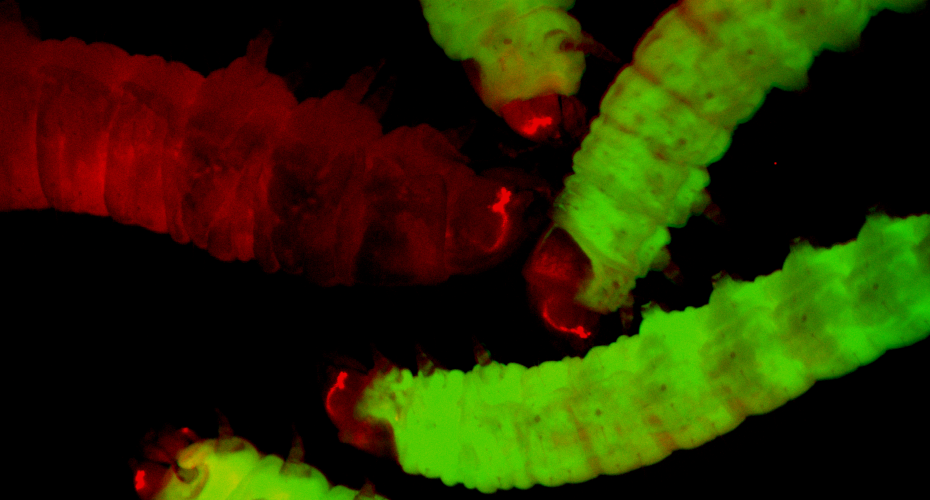
University of Exeter scientists have created the world's first genetically engineered wax moths, a development that could drastically reduce the use of mice and rats in medical testing.
These "sensor moths" are specifically designed to help combat antimicrobial resistance (AMR), currently one of the most significant threats to global human health. By adapting genetic tools originally used for fruit flies—including CRISPR-Cas9—researchers produced moth larvae that glow when responding to infection or antibiotics. Unlike many other insect models, wax moths thrive at the human body temperature of 37°C and possess immune cells that react to pathogens like Staphylococcus aureus in a manner remarkably similar to mammals, providing a realistic "living window" into how diseases progress.
This scientific leap offers a faster, more scalable, and ethically sustainable alternative to traditional rodent models. In the United Kingdom alone, approximately 100,000 mice are used annually for infection research; the Exeter team estimates that replacing even 10 percent of these studies with their engineered moths could spare over 10,000 rodents each year. To accelerate global adoption, the researchers have made their methods openly available through the Galleria Mellonella Research Centre, supporting dozens of research groups worldwide in the shift toward more ethical science.
For more details, read the news article on the University of Exeter News.
| |
You might also like:
- Researchers Use Gene Editing to Separate Male and Female Mosquitoes
- UC San Diego Researchers Use CRISPR to Target Global Crop Pest
- Experts Review Crop Pests' Responses to Climate and Land Management Changes
Biotech Updates is a weekly newsletter of ISAAA, a not-for-profit organization. It is distributed for free to over 22,000 subscribers worldwide to inform them about the key developments in biosciences, especially in biotechnology. Your support will help us in our mission to feed the world with knowledge. You can help by donating as little as $10.
-
See more articles:
-
Plant
- Expert Underscores Improving Global Acceptance for Gene-edited Crops
- Scientists Fine-Tune Rice Gene to Fight Sheath Blight
- ISAAA Offers Improved Access to Agri-biotech Trends and Insights
- USDA Seeks Public Comment to Deregulate GE African Marigold
-
Animal
- Researchers Develop Rapid Testing for Chicken Infectious Anemia Virus
- Gene Editing Enhances Growth and Muscle Development in Grass Carp
- Genetically Engineered Moths Offer Ethical Breakthrough in Infection Research
-
Food
- Brazilian Researchers Identify Wild Peanut Gene That Boosts Plant Immunity
-
Read the latest: - Biotech Updates (September 30, 2026)
- Gene Editing Supplement (September 30, 2026)
- Gene Drive Supplement (February 22, 2023)
-
Subscribe to BU: - Share
- Tweet