

Scientists Fine-Tune Rice Gene to Fight Sheath Blight
February 11, 2026| |
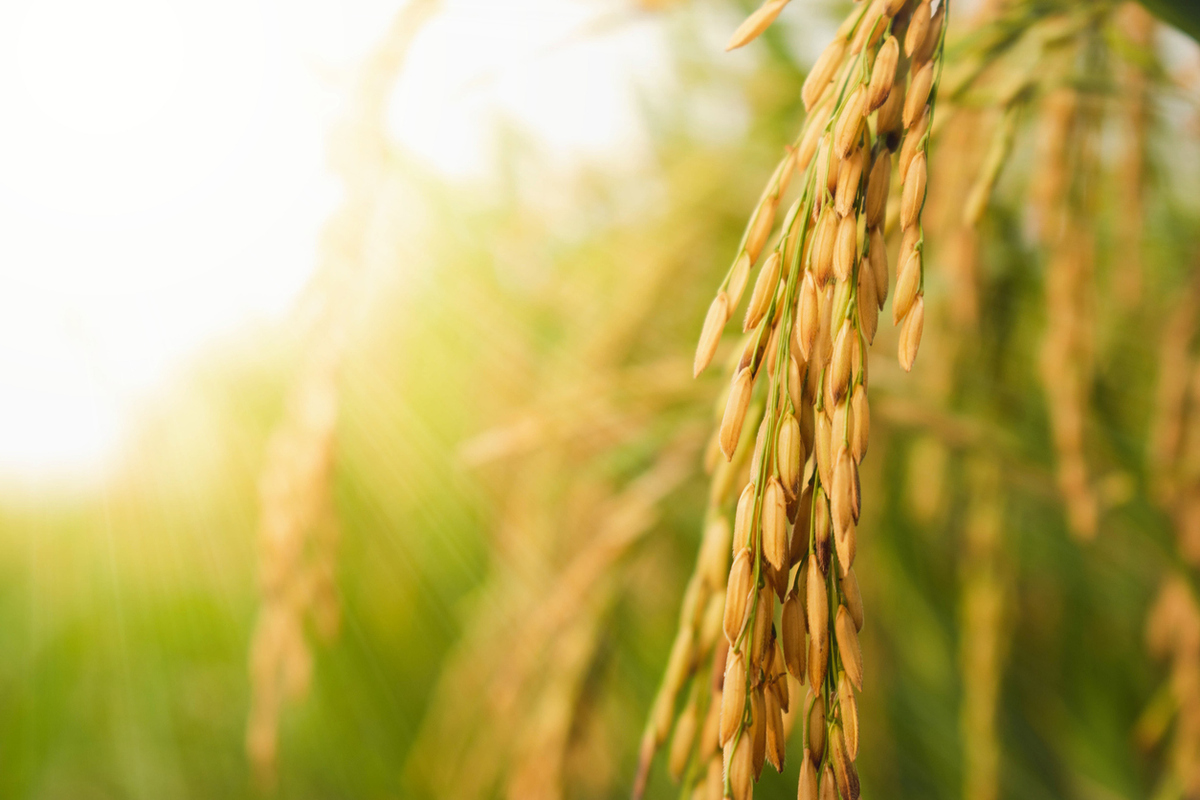
Researchers from India used CRISPR-Cas9 gene editing technology to improve rice resistance to sheath blight. The disease, caused by the fungus Rhizoctonia solani, leads to significant yield losses and remains difficult to manage due to the limited availability of resistant rice varieties. In the study published in Physiological and Molecular Plant Pathology, the research team was able to reduce rice's susceptibility to the disease while maintaining normal growth and yield.
OsSWEET11 is known to act as a susceptibility gene because it helps transport sugars that the pathogen uses to infect the plant. However, completely turning off the gene can harm grain filling and reduce yield. To address this, the research team fine-tuned OsSWEET11 expression in the rice cultivar ASD16 instead of disabling it.
The results revealed that the homozygous promoter-edited mutants showed 20-35% lower disease severity compared to the wild type. Upon R. solani infection, the edited mutants also had up to 60% less fungal biomass and reduced sugar accumulation. The findings demonstrate that targeted promoter editing of OsSWEET11 offers a promising strategy to develop sheath blight-resistant rice without sacrificing plant growth and grain production.
For more information, read the abstract from Physiological and Molecular Plant Pathology.
| |
You might also like:
- Gene Editing Leads to Rice Sheath Blight Resistance and Yield Increase
- Gene Editing Elucidates a Vital Defense Switch in Rice
- Tricoderma Gene Confers Sheath Blight Resistance to Rice
Biotech Updates is a weekly newsletter of ISAAA, a not-for-profit organization. It is distributed for free to over 22,000 subscribers worldwide to inform them about the key developments in biosciences, especially in biotechnology. Your support will help us in our mission to feed the world with knowledge. You can help by donating as little as $10.
-
See more articles:
-
Plant
- Expert Underscores Improving Global Acceptance for Gene-edited Crops
- Scientists Fine-Tune Rice Gene to Fight Sheath Blight
- ISAAA Offers Improved Access to Agri-biotech Trends and Insights
- USDA Seeks Public Comment to Deregulate GE African Marigold
-
Animal
- Researchers Develop Rapid Testing for Chicken Infectious Anemia Virus
- Gene Editing Enhances Growth and Muscle Development in Grass Carp
- Genetically Engineered Moths Offer Ethical Breakthrough in Infection Research
-
Food
- Brazilian Researchers Identify Wild Peanut Gene That Boosts Plant Immunity
-
Read the latest: - Biotech Updates (October 7, 2026)
- Gene Editing Supplement (September 30, 2026)
- Gene Drive Supplement (February 22, 2023)
-
Subscribe to BU: - Share
- Tweet