

Brazilian Researchers Identify Wild Peanut Gene That Boosts Plant Immunity
February 11, 2026| |
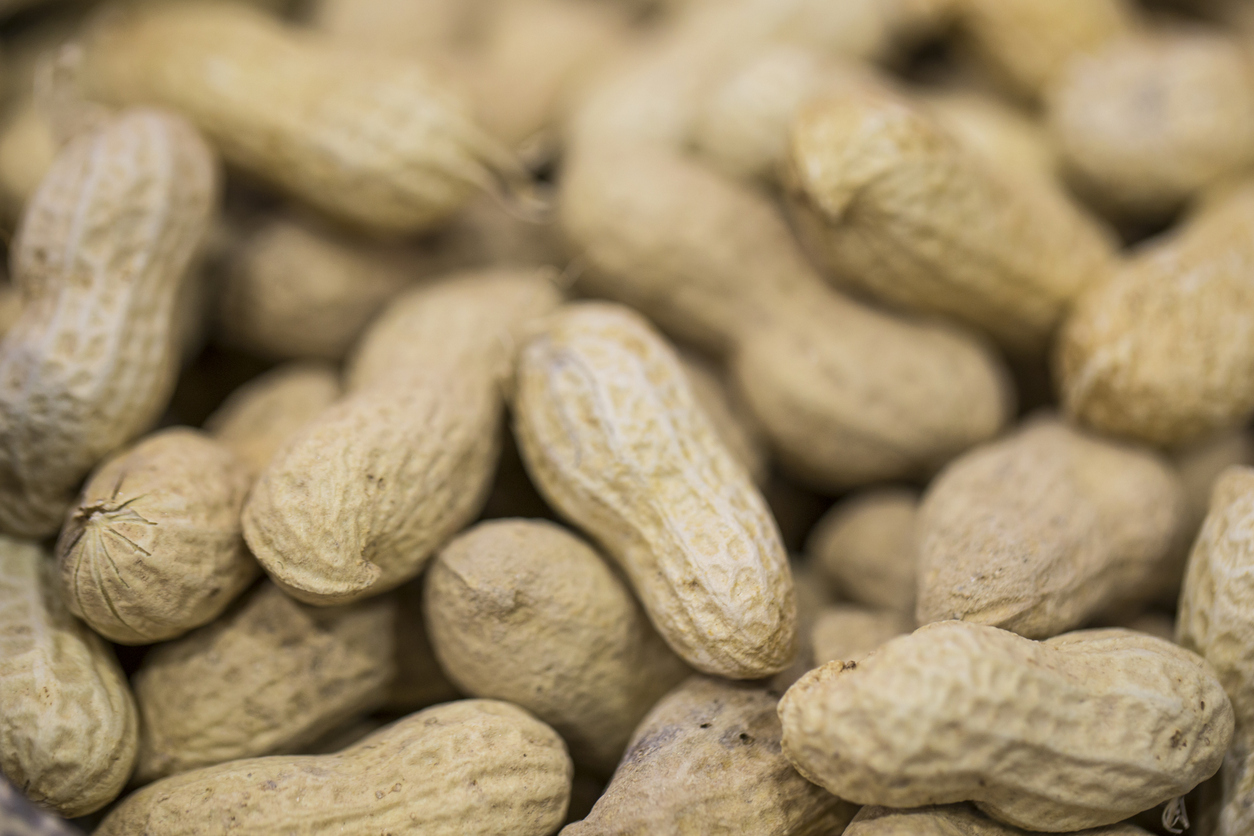
Researchers at Embrapa Genetic Resources and Biotechnology have discovered a gene from a wild peanut ancestor that acts as a biological "alarm," significantly enhancing a plant's ability to survive drought and resist pests.
The gene, known as AdEXLB8, was isolated from Arachis duranensis, a wild ancestor of the modern peanut native to South America. Unlike traditional genetic modifications that provide a single line of defense, this gene triggers a mechanism called "defense priming." This process essentially creates a molecular memory, keeping the plant in a state of constant readiness. When under threat, the "primed" plants can react much faster to environmental stress or biological attacks without wasting the energy typically required for growth and productivity.
The AdEXLB8 gene was overexpressed in genetically modified tobacco, soybean, and peanut plants. The transgenic plants showed increased tolerance to two species of root-knot nematodes, the fungus Sclerotinia sclerotiorum, and droughts, even when those stresses occurred simultaneously. In the roots of plants where the gene was overexpressed, AdEXLB8 led to a 60% reduction in nematode infections and significantly higher tolerance to water scarcity and fungal diseases. Scientists noted that the plants maintained their high yields and quality even while under pressure. This breakthrough, currently being patented, can be applied to other crops, such as tomatoes, soybeans, and cotton.
For more details, read the article in EMBRAPA News.
| |
You might also like:
- Clemson University Research Team Discover Genes that Could Help Peanuts Beat the Heat
- Pangenome Analysis Reveals Genetic Key to Larger Peanut Yields
- Murdoch University Team Identifies Genes in Peanut with Potential for Improvement
Biotech Updates is a weekly newsletter of ISAAA, a not-for-profit organization. It is distributed for free to over 22,000 subscribers worldwide to inform them about the key developments in biosciences, especially in biotechnology. Your support will help us in our mission to feed the world with knowledge. You can help by donating as little as $10.
-
See more articles:
-
Plant
- Expert Underscores Improving Global Acceptance for Gene-edited Crops
- Scientists Fine-Tune Rice Gene to Fight Sheath Blight
- ISAAA Offers Improved Access to Agri-biotech Trends and Insights
- USDA Seeks Public Comment to Deregulate GE African Marigold
-
Animal
- Researchers Develop Rapid Testing for Chicken Infectious Anemia Virus
- Gene Editing Enhances Growth and Muscle Development in Grass Carp
- Genetically Engineered Moths Offer Ethical Breakthrough in Infection Research
-
Food
- Brazilian Researchers Identify Wild Peanut Gene That Boosts Plant Immunity
-
Read the latest: - Biotech Updates (October 7, 2026)
- Gene Editing Supplement (September 30, 2026)
- Gene Drive Supplement (February 22, 2023)
-
Subscribe to BU: - Share
- Tweet