

CRISPR Boosts Resistant Starch in Potato
December 3, 2025| |
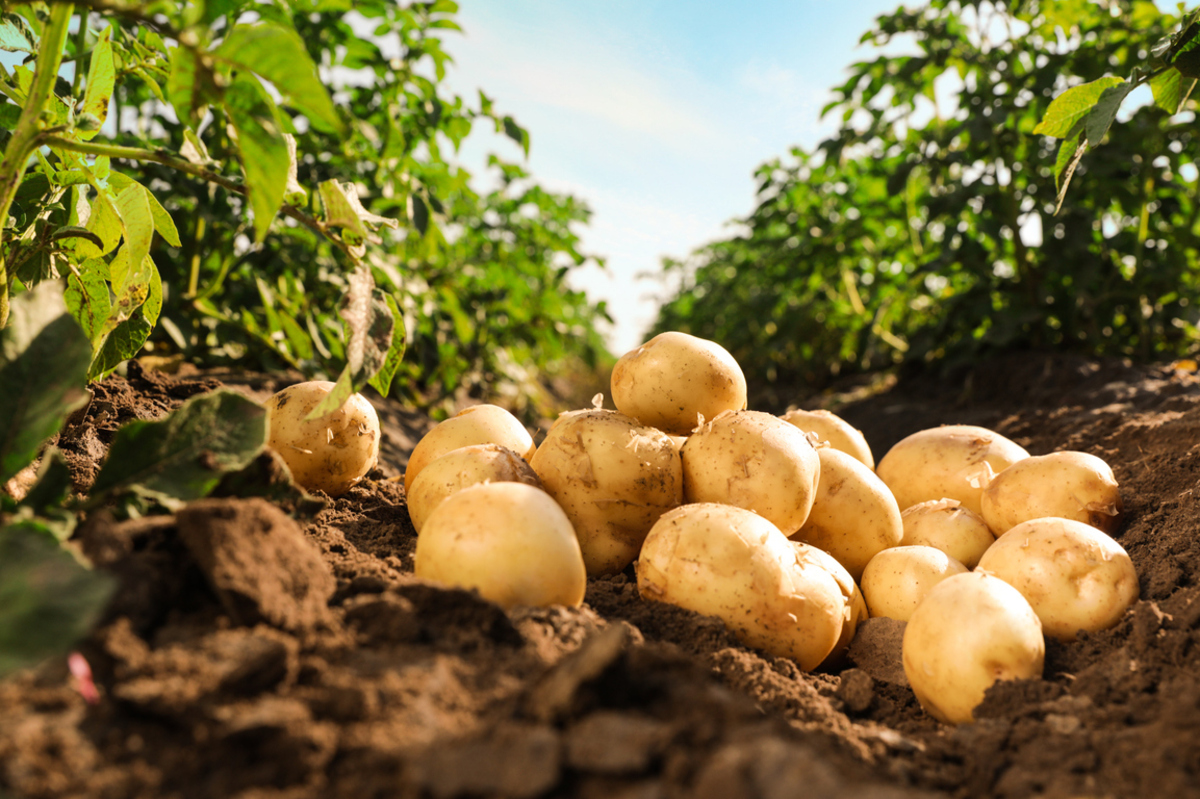
Researchers from Himachal Pradesh University, ICAR-Central Potato Research Institute, and ICAR-Indian Institute of Wheat and Barley Research in India have successfully developed high-amylose potatoes using CRISPR-Cas9. The team targeted two starch-branching enzyme genes, SBE2.1 and SBE2.2, in the widely grown potato variety Kufri Chipsona-I to increase its resistant starch content.
Using Agrobacterium-mediated transformation, the researchers generated 50 edited potato lines, 70% of which were found positive for bar and Cas9 genes. Six mutant lines, K301, K302, K303, K304, K305, and K306, exhibited deletions and substitutions in the target exons. Among these mutant lines, K304 was the most efficiently edited, containing both insertion-deletion and substitution mutations in three out of the four selected targets across both genes.
The study showed that the harvested tubers from the SBE2.1 and SBE2.2 mutant K304 line showed the highest amylose (95.91%) and resistant starch content (8.69 g/100 g). Further analyses revealed that these mutants illustrated an altered crystallinity index and a substantial decline in branch chain elongation in amylopectin. The researchers conclude that CRISPR-Cas9-mediated mutagenesis of starch biosynthesis genes is an effective strategy for developing potato varieties with improved nutritional profiles and health benefits.
For more information, read the study from Frontiers in Genome Editing.
| |
You might also like:
- Potato with Amylose-free Starch Developed thru CRISPR-Cas9 Editing
- Texas A&M AgriLife Researchers Use CRISPR Technology to Modify Potato Starch
- FSANZ Invites Comments on Food Derived from GM Potato
Biotech Updates is a weekly newsletter of ISAAA, a not-for-profit organization. It is distributed for free to over 22,000 subscribers worldwide to inform them about the key developments in biosciences, especially in biotechnology. Your support will help us in our mission to feed the world with knowledge. You can help by donating as little as $10.
-
See more articles:
-
Plant
- Webinar: Advances in CRISPR-Cas Genome Editing in Plants
- CRISPR Wheat Produces Own Fertilizer
- Coalition of 26 Food and Feed Associations Urges EU's Swift Adoption of NGTs
- CRISPR Boosts Resistant Starch in Potato
- Gene Editing Improves Soybean Grain Quality for Animal Feed
- Scientists Uncover Genetic Switch for Strawberry Aroma
- COGEM Releases Advice on GM Soybean MON87708 x MON89788
- Genetically Engineered Mustard Shows Strong Resistance to Glyphosate
-
Read the latest: - Biotech Updates (September 16, 2026)
- Gene Editing Supplement (August 26, 2026)
- Gene Drive Supplement (February 22, 2023)
-
Subscribe to BU: - Share
- Tweet