Scientists Turn Red Strawberry White Using CRISPR |
|
|
|
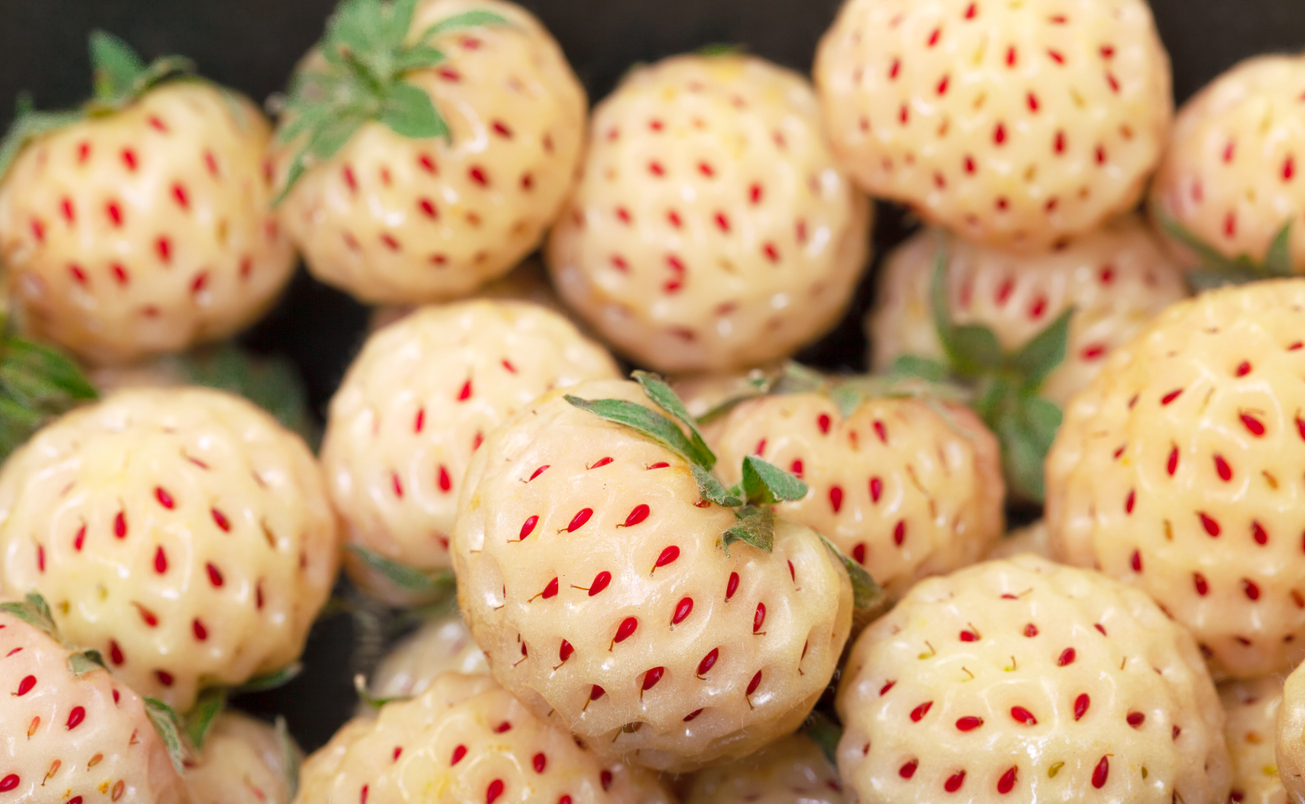
Researchers from Kongju National University, the National Institute of Horticultural and Herbal Science of Korea, Chungbuk National University, and the University of Florida have unlocked a key challenge in complex crop genetics by turning commercially grown red strawberries white. Published in Horticulture Research, the team successfully modified the elite cultivar 'Florida Brilliance' using CRISPR-Cas9 gene editing technology. The resulting fruit matured into a stable white variety, demonstrating how targeted gene editing can successfully manipulate specific traits in multi-copy plant genomes.
|
|
|
|
|
Gene Editing Boosts Tolerance of Tomato Against Salt Stress |
|
|
|
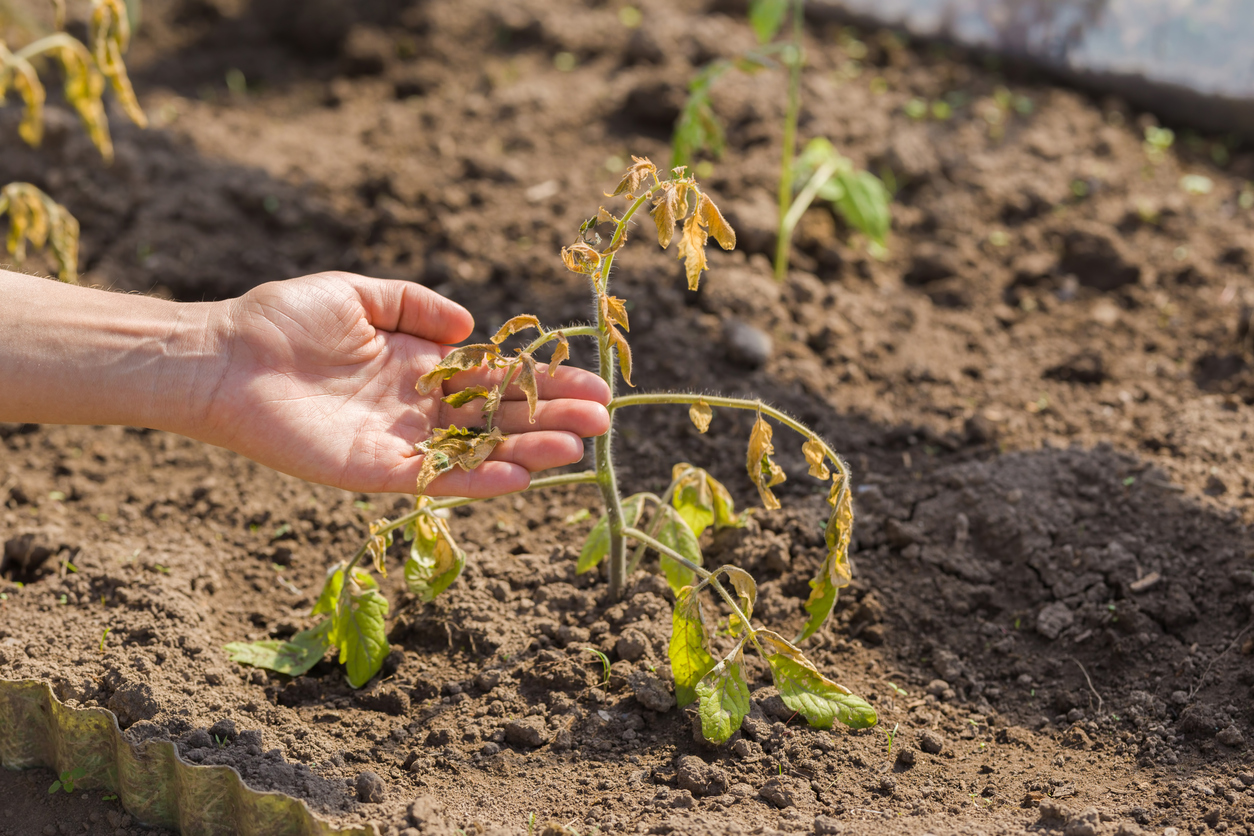
Researchers at the University of Verona, Italy and partners found that knocking out the Aucsia2 gene using CRISPR-Cas9 can change tomato root development and improve the plants' ability to withstand salt stress. The findings suggest that targeting this gene could help develop tomato varieties better adapted to saline conditions without reducing overall plant growth or yield.
|
|
|
|
|
Gene Editing Delivers Easier-to-Digest, Better-Tasting Rice |
|
|
|
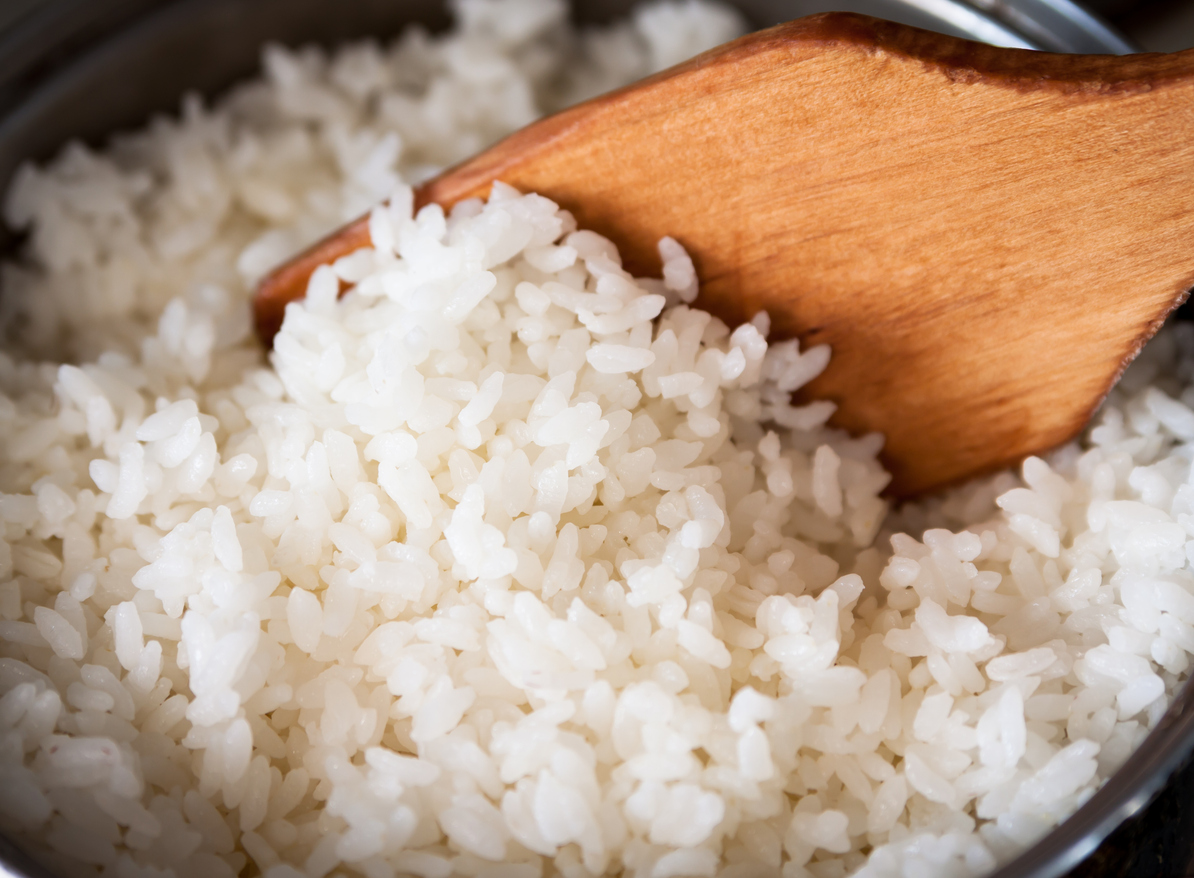
Henan University researchers from China have harnessed gene editing to address a longstanding challenge in staple food quality: reducing 13 kDa prolamin, a seed protein in rice that is notoriously difficult for humans to digest and a common contributor to food sensitivities. By precisely turning off the specific genes responsible for this protein subgroup, the team developed novel rice lines with significantly lower prolamin levels. This targeted edit not only improves the grain's overall digestibility and reduces potential allergens, but also optimizes its nutritional profile, thus offering a promising technique for healthier, consumer-focused staple crops.
|
|
|
|
|
OsPLDβ1 Disruption Improves Salt Stress Tolerance in Rice |
|
|
|
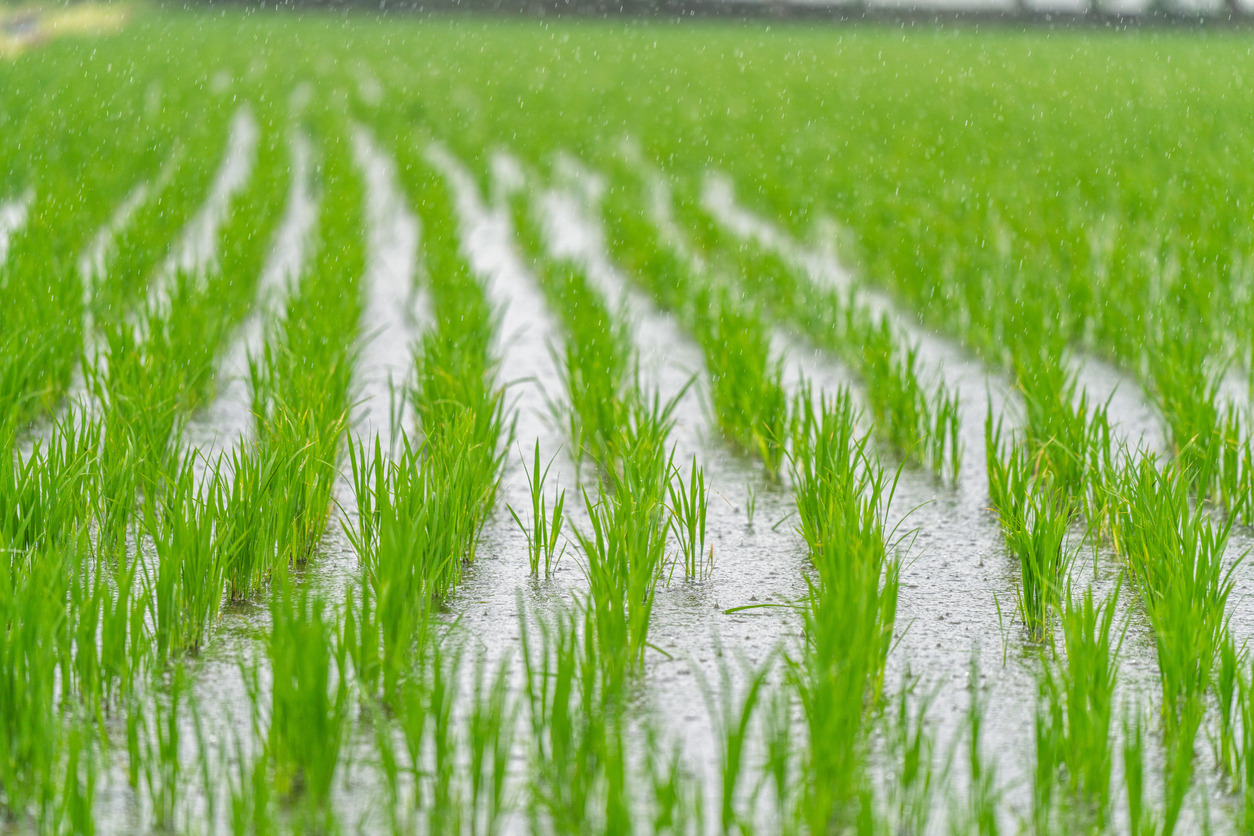
Researchers from the International Centre for Genetic Engineering and Biotechnology in New Delhi, India, have uncovered the role of rice gene OsPLDβ1 under salt stress. Their findings are published in Frontiers in Genome Editing.
|
|
|
|
|
| Research and Tools |
 |
|
|
|
|
|
| Biotech Updates is a weekly newsletter of ISAAA, a not-for-profit organization. It is distributed for free to over 22,000 subscribers worldwide to inform them about the key developments in biosciences, especially in biotechnology. Your support will help us in our mission to feed the world with knowledge. You can help by donating as little as $10. |
|
|
|
|