KAUST Breakthrough Enables Precise Super-Sized Gene Editing in Crops |
|
|
|
Researchers at King Abdullah University of Science and Technology (KAUST) have developed a new method that allows large pieces of genetic information to be inserted into plants with precision. Published in Nature Biotechnology, the study overcomes a long-standing hurdle in plant science, where adding full-length genes has proven far more difficult than simple gene editing.
|
|
|
|
|
|
|
|
|
Mutation in Rice Protein Kinase Leads to Drought Tolerance |
|
|
|
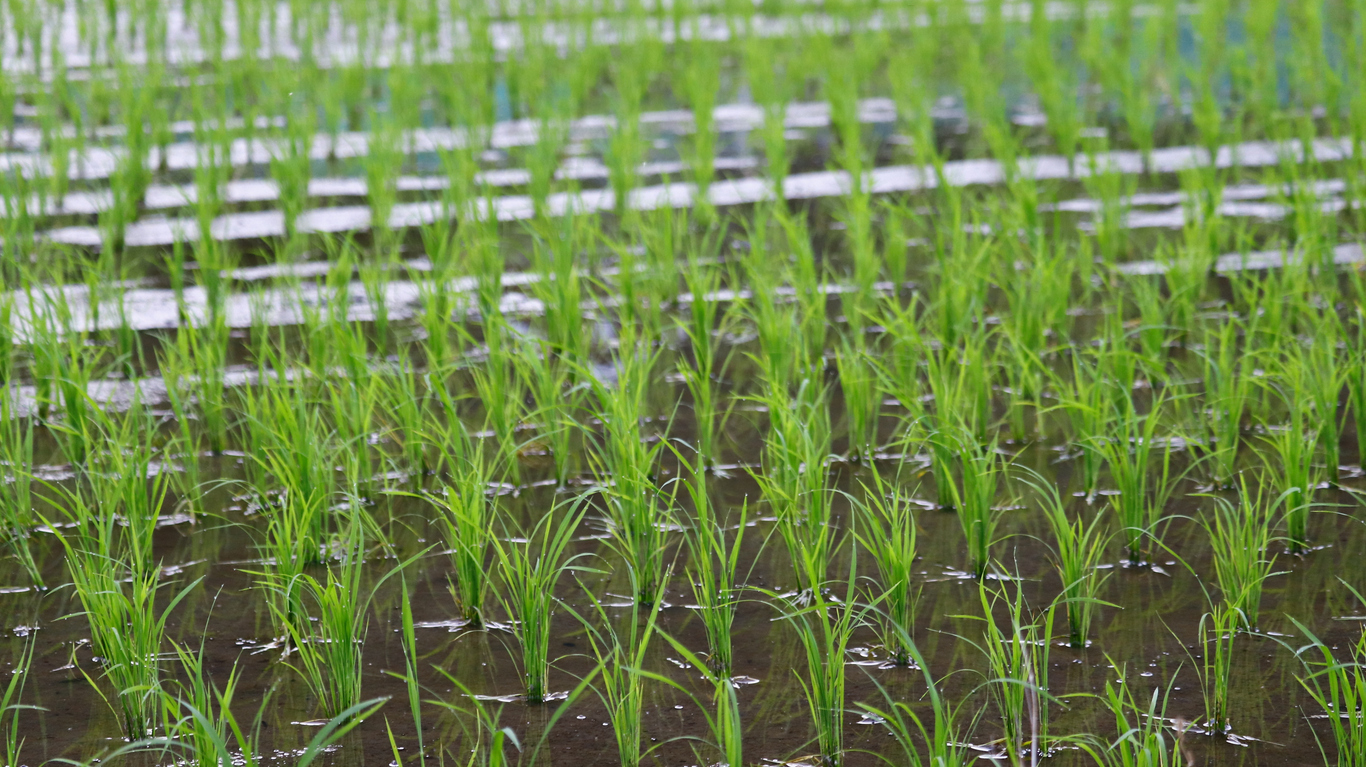
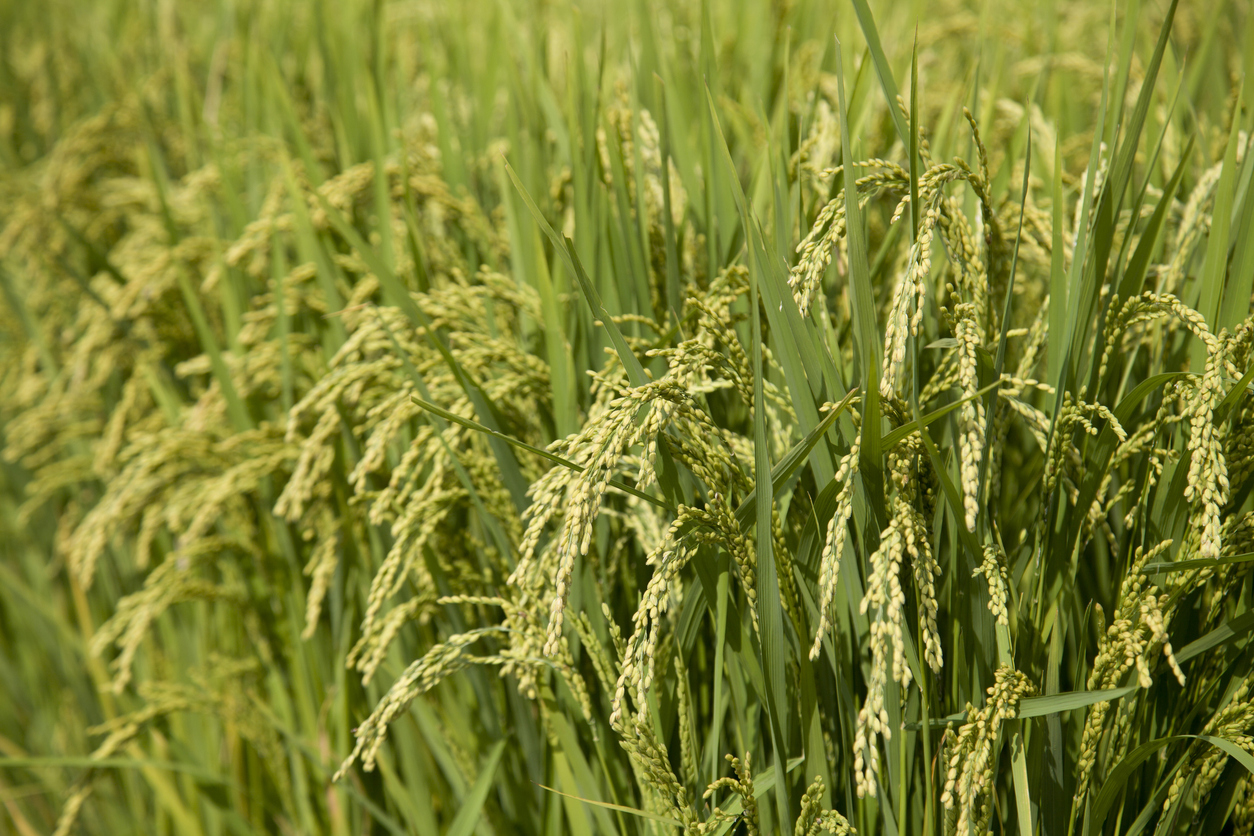
Drought poses a major threat to rice farming, making it crucial to understand how plants manage water stress so scientists can breed hardier crops. In a study conducted by researchers at Kangwon National University, it was elucidated how a unique mutant rice strain handles drought remarkably well. By mapping its genetics, they traced this drought resilience back to a specific mutation in a gene called OsRRK1. When working normally, this gene acts like a chemical off-switch for drought defense. By disabling this switch through gene editing and crossbreeding, the scientists produced rice plants that naturally resist dry conditions far better than standard varieties.
|
|
|
|
|
| Research and Tools |
 |
|
|
|
|
|
| Biotech Updates is a weekly newsletter of ISAAA, a not-for-profit organization. It is distributed for free to over 22,000 subscribers worldwide to inform them about the key developments in biosciences, especially in biotechnology. Your support will help us in our mission to feed the world with knowledge. You can help by donating as little as $10. |
|
|
|
|