

OsPLDβ1 Disruption Improves Salt Stress Tolerance in Rice
August 26, 2026| |
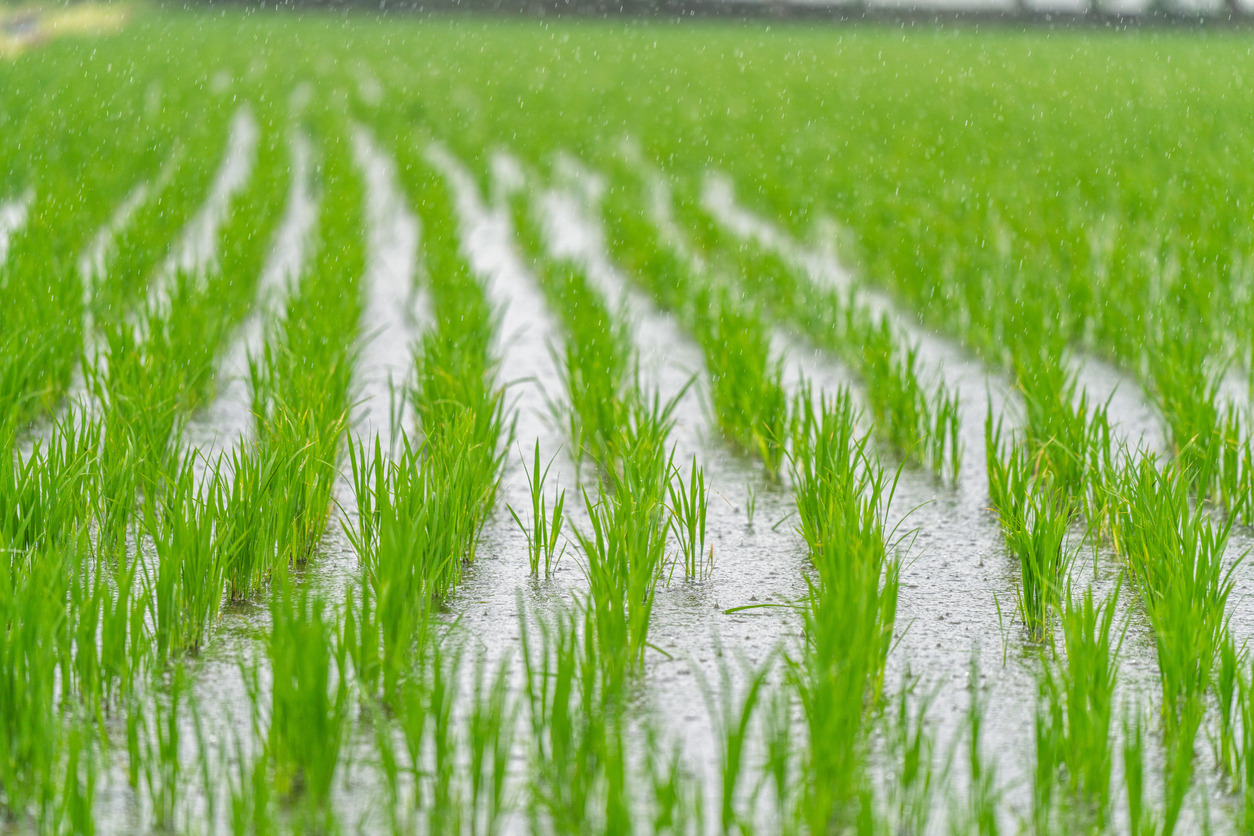
Researchers from the International Centre for Genetic Engineering and Biotechnology in New Delhi, India, have uncovered the role of rice gene OsPLDβ1 under salt stress. Their findings are published in Frontiers in Genome Editing.
Phospholipase D (PLD) enzymes play a vital role in plant stress signaling. However, because the function of OsPLDβ1 remained unclear, the research team used CRISPR-Cas9 gene editing to investigate it.
Knockout mutants showed greater tolerance to saline conditions than wild-type plants. This improvement was linked to a greater capacity for scavenging reactive oxygen species, resulting in better management of oxidative stress.
The mutant lines also displayed increased expression of genes involved in ion transport and homeostasis, while maintaining photosynthetic efficiency and agronomic performance.
These findings demonstrate that OsPLDβ1 negatively regulates salt stress tolerance in rice and offer valuable insights for developing salinity-resistant crop varieties.
Read more findings in Frontiers in Genome Editing.
| |
You might also like:
- Dual-Function Rice Gene Boosts Drought Tolerance and Grain Yield
- Experts Pinpoint Rice Proteins Vital in Drought Stress Tolerance and Yield
- Rice Proteins Show Potential for Hypoallergenic Plant-Based Cheese
Biotech Updates is a weekly newsletter of ISAAA, a not-for-profit organization. It is distributed for free to over 22,000 subscribers worldwide to inform them about the key developments in biosciences, especially in biotechnology. Your support will help us in our mission to feed the world with knowledge. Support ISAAA by subscribing as a Premium or Elite Subscriber
-
See more articles:
-
Gene Editing Supplement (August 26, 2026)
-
Research and Tools
- Scientists Turn Red Strawberry White Using CRISPR
- Gene Editing Boosts Tolerance of Tomato Against Salt Stress
- Gene Editing Delivers Easier-to-Digest, Better-Tasting Rice
- OsPLDβ1 Disruption Improves Salt Stress Tolerance in Rice
-
Read the latest: - Biotech Updates (October 14, 2026)
- Gene Editing Supplement (September 30, 2026)
- Gene Drive Supplement (February 22, 2023)
-
Subscribe to BU: - Share
- Tweet