

Gene Editing Boosts Tolerance of Tomato Against Salt Stress
August 26, 2026| |
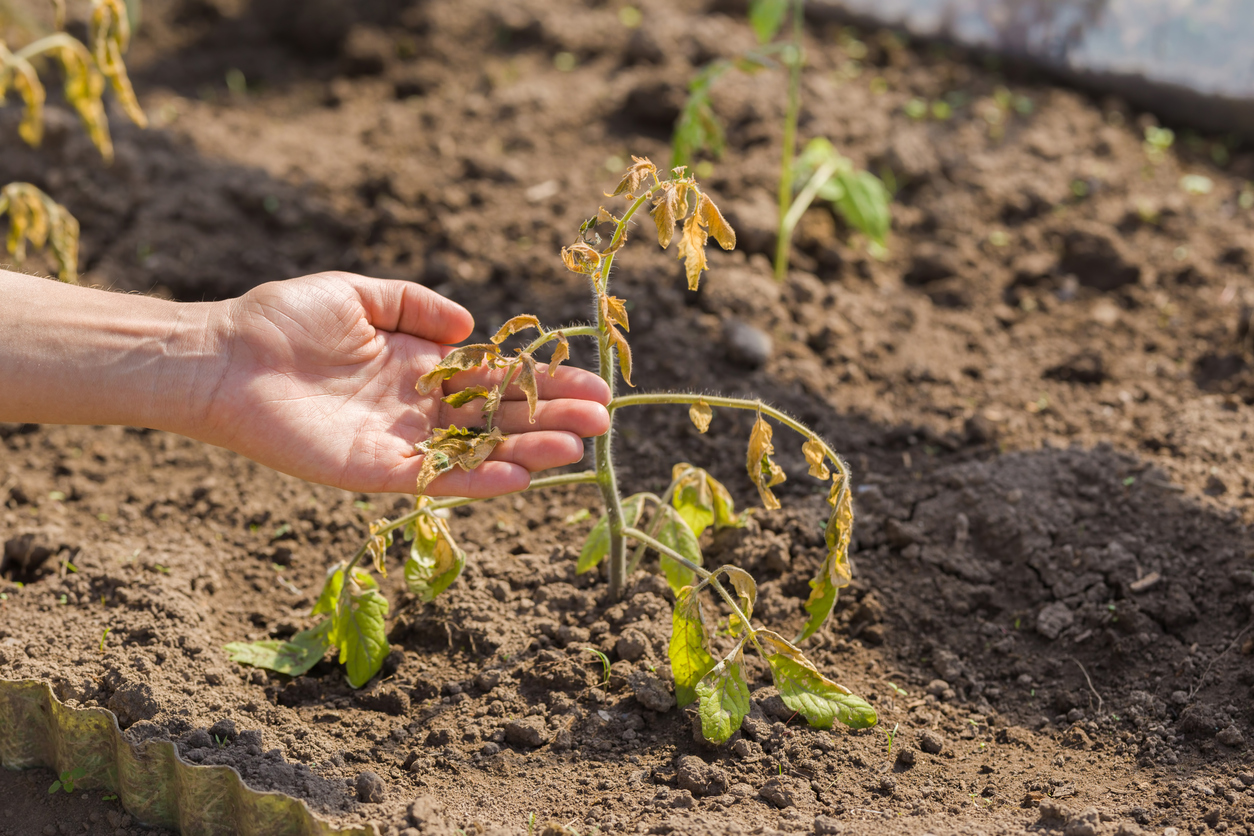
Researchers at the University of Verona, Italy and partners found that knocking out the Aucsia2 gene using CRISPR-Cas9 can change tomato root development and improve the plants' ability to withstand salt stress. The findings suggest that targeting this gene could help develop tomato varieties better adapted to saline conditions without reducing overall plant growth or yield.
The edited tomatoes developed fewer lateral roots, resulting in a simpler root system while maintaining normal shoot growth and fruit production. Under salt stress, the Aucsia2 mutants experienced less damage to their roots and shoots and showed a weaker response to salty conditions. The researchers also observed changes in hormone-related processes involving auxin, ethylene, abscisic acid, and salicylic acid.
The study suggests that these changes may give the edited plants a pre-adapted state that helps limit damage during salt stress. The researchers said Aucsia2 could be a promising target for developing gene-edited tomatoes with better tolerance to salt stress.
For more information, read the abstract from Plant Physiology and Biochemistry.
| |
You might also like:
- Biotechnology with Salinity for Coping in Problem Soils
- Study Elucidates Salt Tolerance Breeding in Plants
- Gene Editing Improves Tomato Resistance to Drought and Cucumber Mosaic Virus
Biotech Updates is a weekly newsletter of ISAAA, a not-for-profit organization. It is distributed for free to over 22,000 subscribers worldwide to inform them about the key developments in biosciences, especially in biotechnology. Your support will help us in our mission to feed the world with knowledge. You can help by donating as little as $10.
-
See more articles:
-
Gene Editing Supplement (August 26, 2026)
-
Research and Tools
- Scientists Turn Red Strawberry White Using CRISPR
- Gene Editing Boosts Tolerance of Tomato Against Salt Stress
- Gene Editing Delivers Easier-to-Digest, Better-Tasting Rice
- OsPLDβ1 Disruption Improves Salt Stress Tolerance in Rice
-
Read the latest: - Biotech Updates (August 26, 2026)
- Gene Editing Supplement (August 26, 2026)
- Gene Drive Supplement (February 22, 2023)
-
Subscribe to BU: - Share
- Tweet