

CRISPR Study Unlocks Tomato Heat Memory and Boosts Crop Yields
October 28, 2026| |
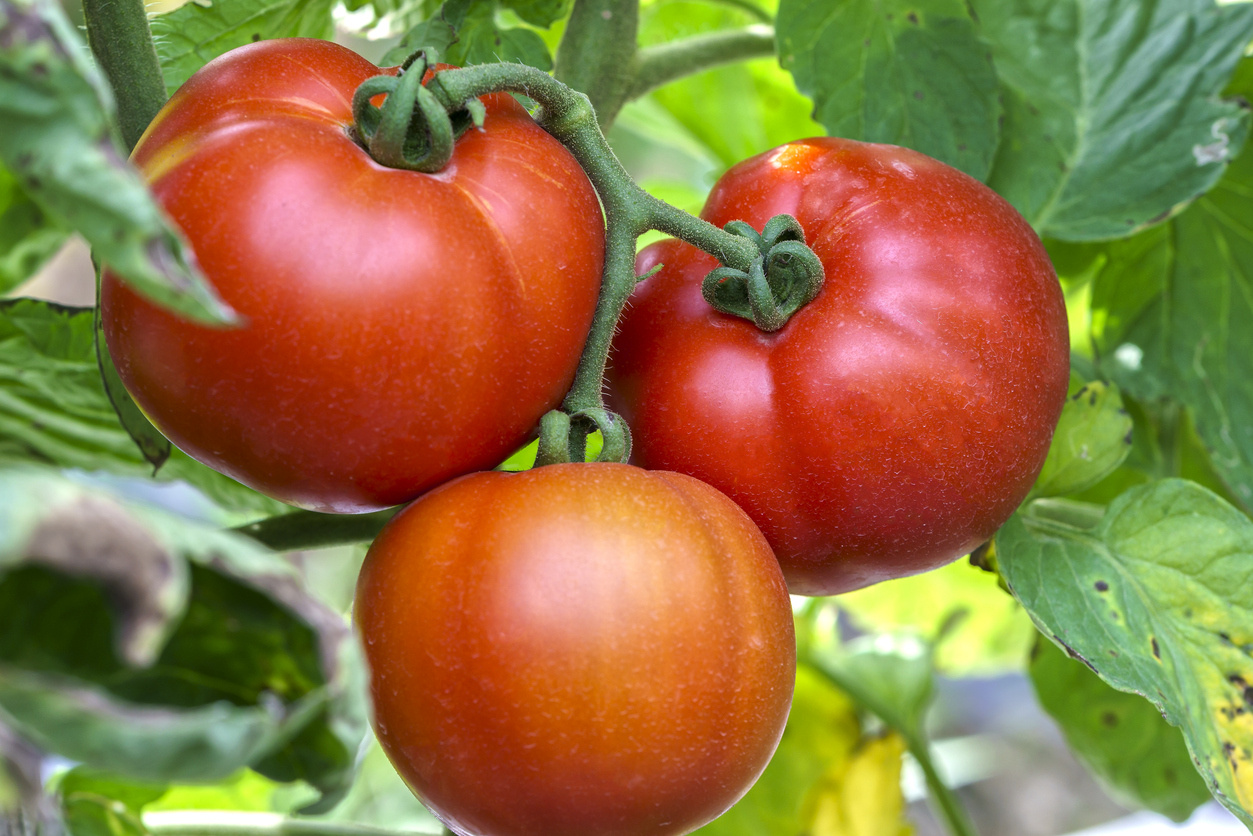
A recent study led by researchers at the Leibniz Institute for Horticultural Sciences (IGZ) reveals that exposing tomato plants to moderate heat can act as a "thermal priming" mechanism, significantly improving their ability to withstand subsequent heat stress and boosting fruit yield by up to 53 percent in field trials. Published in The Plant Journal, the research explored how plants retain a memory of initial heat exposure, which helps them mount a faster and more effective defense against recurring high temperatures.
To uncover the genetic drivers behind this resilience, the research team utilized CRISPR technology to examine the molecular regulators of the plants' thermal memory. They focused on specific transcription factors, including SlHSFA2, which plays a critical role in transcriptional thermal memory and coordinates the activation of key protective genes like SlBAG6.
When the researchers tested CRISPR-modified tomato plants lacking functional SlHSFA2, the plants largely lost their ability to undergo thermal priming and struggled to recover their shoot apical meristems after recurrent heat stress. This finding confirms that SlHSFA2 is indispensable for the thermal memory response and offers valuable insights for developing heat-resilient crops to face future climate challenges.
For more details, read the open-access paper in The Plant Journal.
| |
You might also like:
- Researchers Identify Genes that Control Tomato Fruit Shape
- Gene Editing Improves Tomato Resistance to Drought and Cucumber Mosaic Virus
- Scientists Use CRISPR to Reduce Histamine in Tomatoes
- Scientists Use CRISPR to Reduce Histamine in Tomatoes
Biotech Updates is a weekly newsletter of ISAAA, a not-for-profit organization. It is distributed for free to over 22,000 subscribers worldwide to inform them about the key developments in biosciences, especially in biotechnology. Your support will help us in our mission to feed the world with knowledge. Support ISAAA by subscribing as a Premium or Elite Subscriber
-
See more articles:
-
Gene Editing Supplement (October 28, 2026)
-
Research and Tools
- AI-Designed Gene Editing Creates Rice Plants Resistant to Bacterial Blight
- CRISPR-Cas9 Used to Improve Black Rice in India
- CRISPR Study Unlocks Tomato Heat Memory and Boosts Crop Yields
- Scientists from Thailand Use Promoter Editing to Boost Rice Water Efficiency
-
Read the latest: - Biotech Updates (October 21, 2026)
- Gene Editing Supplement (October 28, 2026)
- Gene Drive Supplement (February 22, 2023)
-
Subscribe to BU: - Share
- Tweet