

CRISPR-Cas9 Used to Improve Black Rice in India
October 28, 2026| |
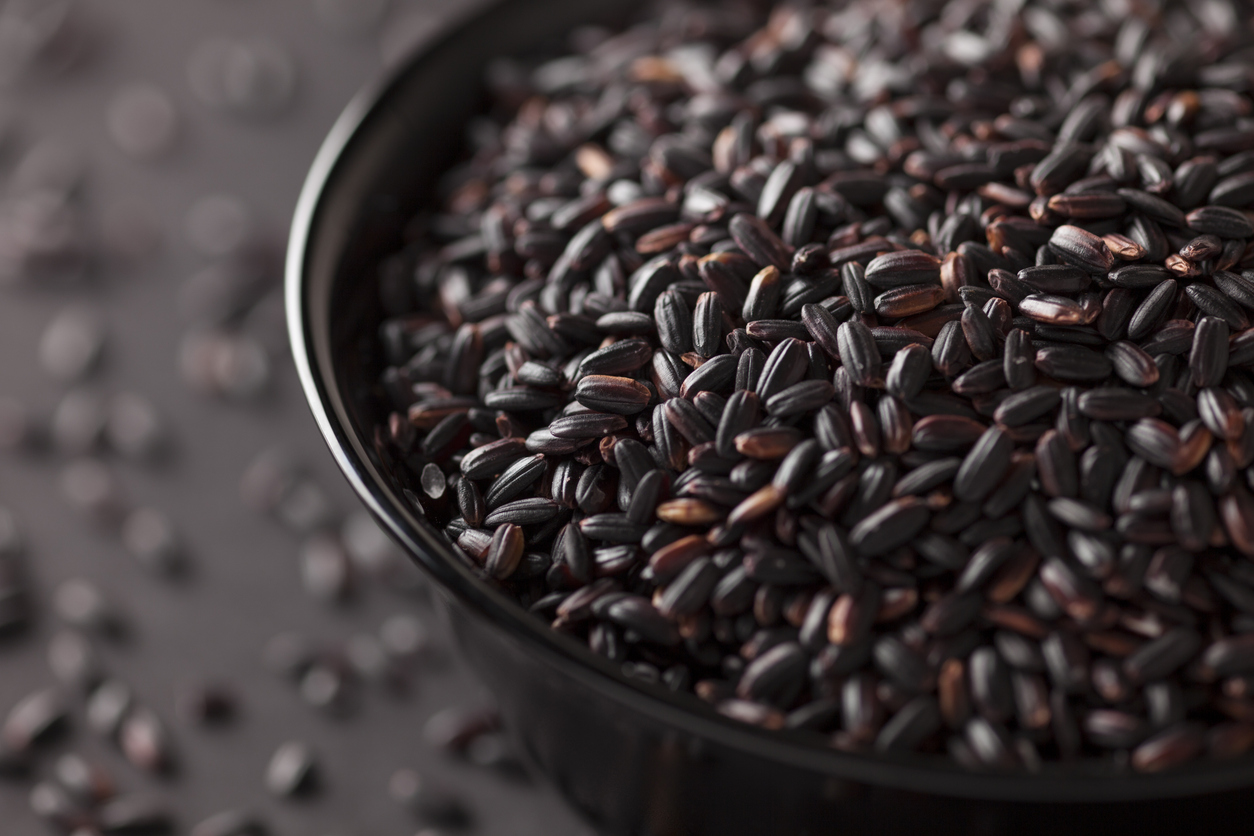
Researchers from ICAR-Indian Agricultural Research Institute and partners successfully used CRISPR-Cas9 to improve the plant architecture and yield of an indigenous aromatic black rice variety called Chakhao Amubi. The findings are published in the journal Rice.
Rice is a staple food consumed by over half of the world's population. However, indigenous black rice varieties from North-East India face major growth and development challenges, including tall stature, lodging, and low harvest yields. To address these problems, the research team used gene editing to fine-tune three genes involved in the plant architecture and yield of Chakhao Amubi.
Using CRISPR-Cas9, the team boosted the crop's resilience and overall yield by up to 7% while retaining the anthocyanin content, aroma, and good cooking quality of the black rice. This breakthrough shows how modern gene editing can upgrade high-value traditional crops, helping farmers grow sturdier, higher-yielding plants while preserving their cherished flavor and cultural heritage.
Read the open-access research article in Rice.
| |
You might also like:
- Pocket K No. 54: Plant Breeding Innovation: CRISPR-Cas9
- Study Solves Mystery in Anthocyanin Production in Black Rice
- Researchers Use CRISPR to Develop Rice Plants with High Salt Resistance
Biotech Updates is a weekly newsletter of ISAAA, a not-for-profit organization. It is distributed for free to over 22,000 subscribers worldwide to inform them about the key developments in biosciences, especially in biotechnology. Your support will help us in our mission to feed the world with knowledge. Support ISAAA by subscribing as a Premium or Elite Subscriber
-
See more articles:
-
Gene Editing Supplement (October 28, 2026)
-
Research and Tools
- AI-Designed Gene Editing Creates Rice Plants Resistant to Bacterial Blight
- CRISPR-Cas9 Used to Improve Black Rice in India
- CRISPR Study Unlocks Tomato Heat Memory and Boosts Crop Yields
- Scientists from Thailand Use Promoter Editing to Boost Rice Water Efficiency
-
Read the latest: - Biotech Updates (October 21, 2026)
- Gene Editing Supplement (October 28, 2026)
- Gene Drive Supplement (February 22, 2023)
-
Subscribe to BU: - Share
- Tweet