

AI-Designed Gene Editing Creates Rice Plants Resistant to Bacterial Blight
October 28, 2026| |
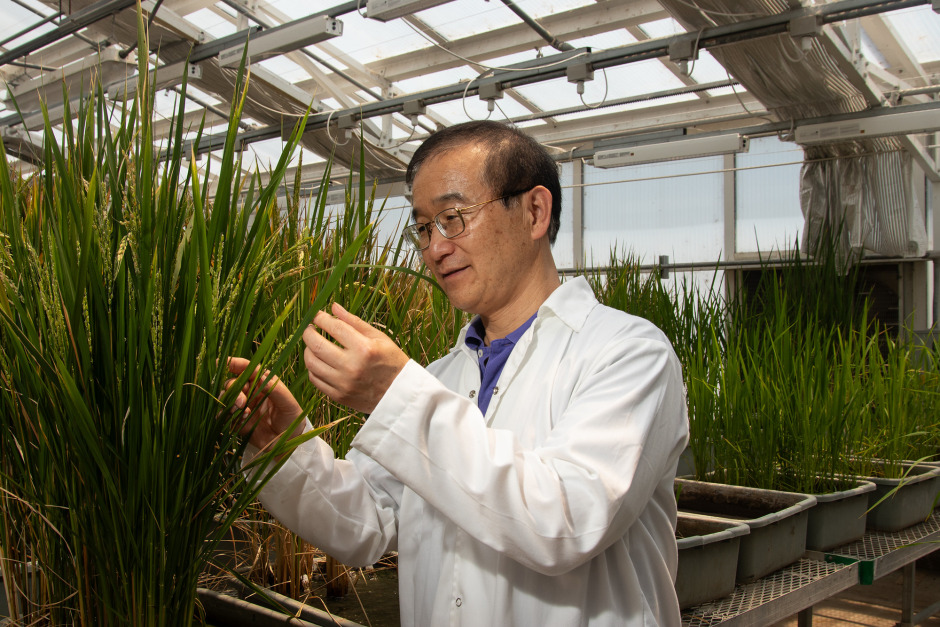
Researchers at the University of Missouri have developed rice plants resistant to bacterial blight, a devastating disease that threatens rice production and farmers' livelihoods, particularly in Asia and Africa. The breakthrough could help protect harvests and provide new approaches for developing crops that withstand diseases and other environmental stresses.
Led by Bing Yang, a Curators' Distinguished Professor at the university's College of Agriculture, Food and Natural Resources, the team adapted OpenCRISPR-1, an artificial intelligence-designed gene-editing tool for use in rice. The tool allows researchers to make targeted changes to DNA and was previously demonstrated in animal cells. Yang noted that OpenCRISPR-1's open-source access gives researchers and companies greater flexibility to develop gene-edited crops without commercial licensing restrictions.
The findings, published in aBIOTECH, demonstrate the tool's potential for gene editing in rice. However, the plants must undergo further testing and regulatory review before commercial use. “Our recent breakthrough paves the way to explore genetic solutions to a range of challenges that farmers face across Missouri and nationwide, from devastating plant diseases to drought and extreme temperatures,” Yang said.
For more information, read the article from the University of Missouri.
| |
You might also like:
- Researchers Confer Resistance to Bacterial Blight in Rice Using CRISPR
- CRISPR Helps Confirm Key Rice Transporter for Bacterial Blight Resistance
- CRISPR Improves Resistance to Bacterial Blight in Rice
Biotech Updates is a weekly newsletter of ISAAA, a not-for-profit organization. It is distributed for free to over 22,000 subscribers worldwide to inform them about the key developments in biosciences, especially in biotechnology. Your support will help us in our mission to feed the world with knowledge. Support ISAAA by subscribing as a Premium or Elite Subscriber
-
See more articles:
-
Gene Editing Supplement (October 28, 2026)
-
Research and Tools
- AI-Designed Gene Editing Creates Rice Plants Resistant to Bacterial Blight
- CRISPR-Cas9 Used to Improve Black Rice in India
- CRISPR Study Unlocks Tomato Heat Memory and Boosts Crop Yields
- Scientists from Thailand Use Promoter Editing to Boost Rice Water Efficiency
-
Read the latest: - Biotech Updates (October 21, 2026)
- Gene Editing Supplement (October 28, 2026)
- Gene Drive Supplement (February 22, 2023)
-
Subscribe to BU: - Share
- Tweet