

Gene Editing Produces Transgene-Free Potato with Reduced Postharvest Browning
January 28, 2026| |
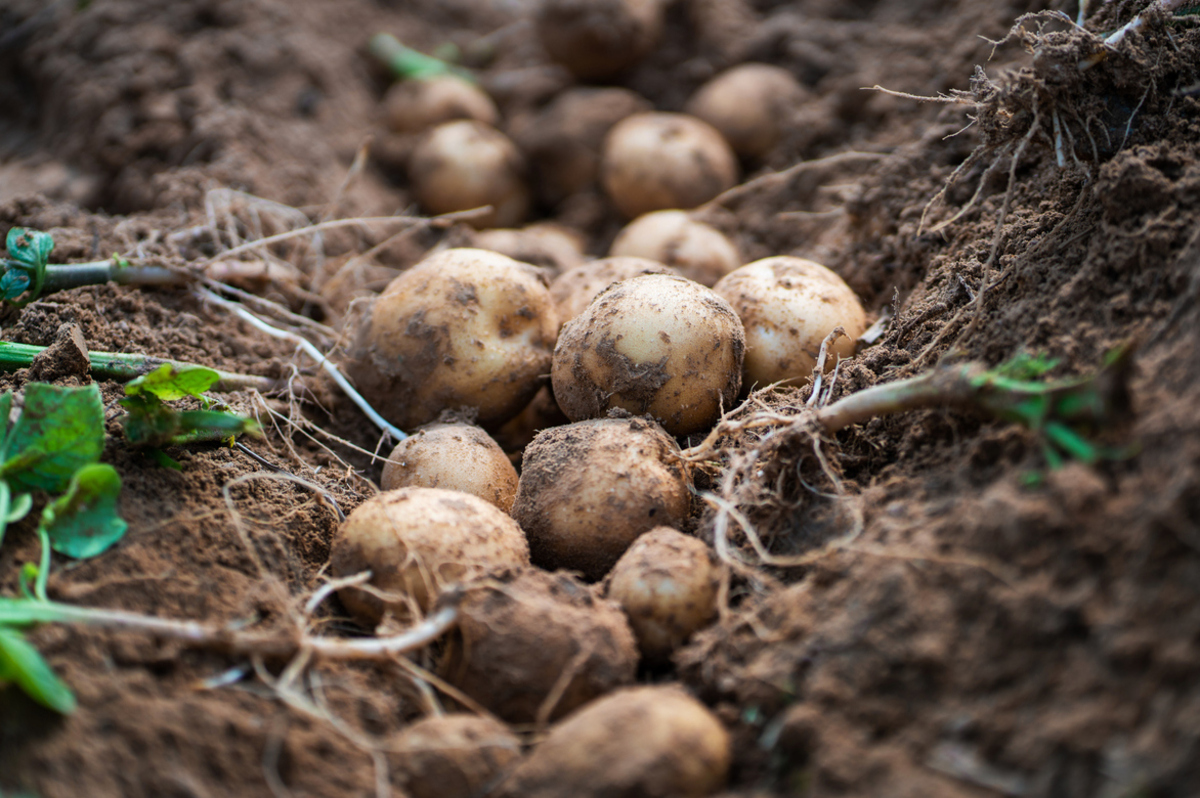
Researchers in Chile have successfully used the CRISPR-Cas9 gene editing technique to reduce enzymatic browning in potatoes, a common postharvest problem that diminishes quality, shelf life, and consumer appeal. The research team targeted the StPPO genes in elite tetraploid cultivar ‘Yagana-INIA' to improve the potato's appearance and marketability.
The study applied a geminivirus-derived CRISPR system to precisely edit the StPPO1 and StPPO2 genes. The researchers used a double-cut strategy for StPPO1 and a single-guide RNA workflow for StPPO2-edited lines. High-resolution fragment analysis and sequencing confirmed three successful StPPO2-edited lines, including one transgene-free editing outcome that lacked GFP, Cas9, and Rep/RepA sequences.
The study revealed that the edited lines showed visibly less browning and lower polyphenol oxidase activity compared with wild-type. The findings highlight the potential of replicon-based CRISPR systems to improve postharvest quality in potatoes while complying with Chile's regulatory framework for non-GMO products.
For more information, read the study from Agronomy.
| |
You might also like:
- Researchers Take a Step Closer to Releasing the First Genetically Edited Potato in Latin America
- Less Browning and Lower Acrylamide Levels Achieved in Potatoes Thanks to CRISPR
- ISAAA Inc. and DA Biotech Program Release Fifth Issue of Double Helix Magazine
Biotech Updates is a weekly newsletter of ISAAA, a not-for-profit organization. It is distributed for free to over 22,000 subscribers worldwide to inform them about the key developments in biosciences, especially in biotechnology. Your support will help us in our mission to feed the world with knowledge. You can help by donating as little as $10.
-
See more articles:
-
Gene Editing Supplement (January 28, 2026)
-
Research and Tools
- KAMALA: The First Gene-edited Variety Ready for Cultivation in India
- Gene Editing Produces Transgene-Free Potato with Reduced Postharvest Browning
- Berkeley Lab Researchers Develop "Speed Scanner" to Map Thousands of Plant Gene Switches
- CRISPR Rice Exhibits Improved Photosynthesis Under Drought Stress
-
Read the latest: - Biotech Updates (September 16, 2026)
- Gene Editing Supplement (August 26, 2026)
- Gene Drive Supplement (February 22, 2023)
-
Subscribe to BU: - Share
- Tweet