

CIMMYT Reports High-Efficiency Genome Editing in Pearl Millet
December 17, 2025| |
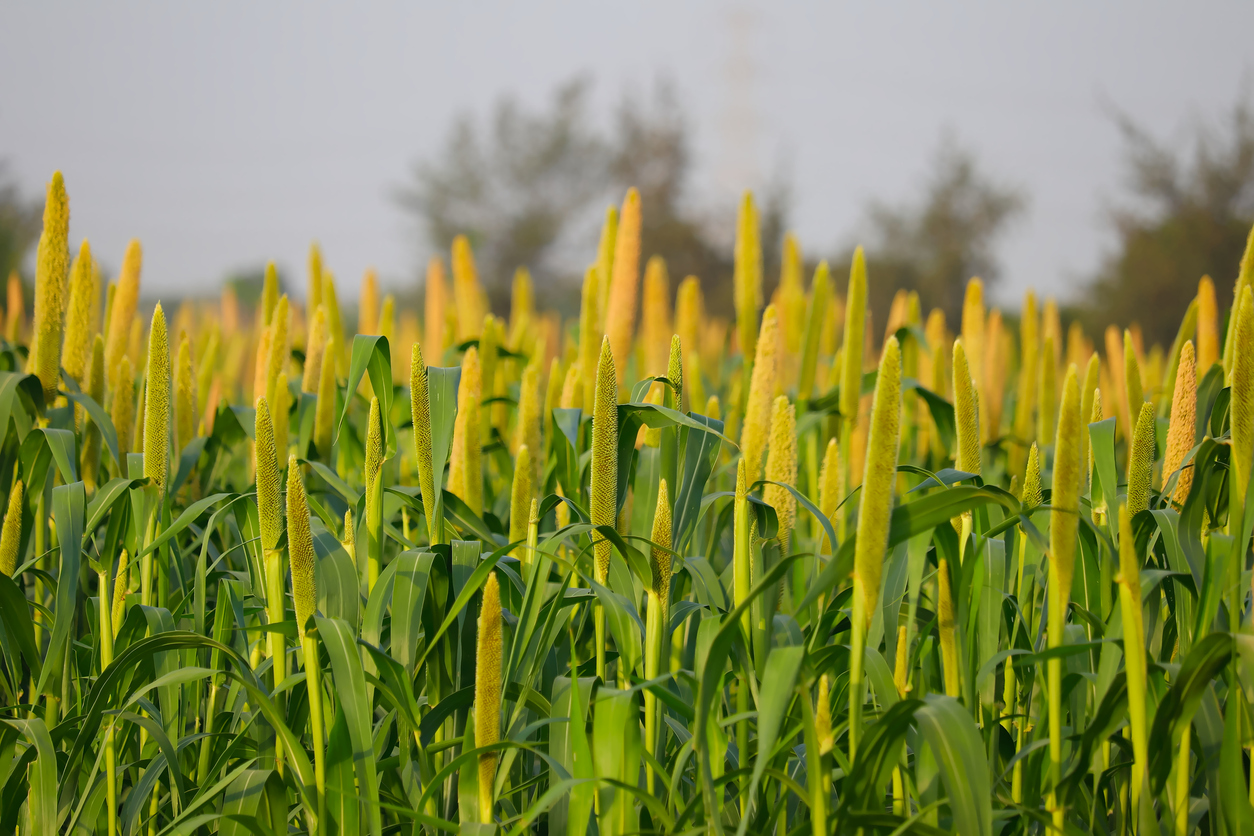
Scientists from CIMMYT and Corteva Agriscience successfully devised an effective method to improve pearl millet using genetic transformation and CRISPR-based editing. This breakthrough is expected to help improve traits vital for food security, nutrition, and climate resilience.
Over 90 million people in Africa and Asia rely on pearl millet as food and a source of nutrition. It is known for its resilience, being about to withstand drought, heat, salinity, and low soil fertility; thus, it is an optimal crop for communities with challenging climate conditions. However, there has been slow progress in the research and development of pearl millet because of the limitations in transforming the plant in vitro. With the new research, the experts developed a pathway to speed up trait discovery and varietal improvement.
By utilizing immature embryos as the primary tissue source, the researchers identified specific types that reliably trigger robust callus induction. These embryos were then inoculated with Agrobacterium tumefaciens that carries genome-editing constructs.
The breakthrough lies in the integration of two morphogenic regulator genes: WUSCHEL2 and BABY BOOM1. These genes facilitate the regeneration of transformed cells into healthy, fertile plants while avoiding the developmental abnormalities common in earlier methods. While this technology has already revolutionized breeding in other cereals, it now establishes a high-efficiency platform for pearl millet.
Read more from CIMMYT and Plant Physiology.
| |
You might also like:
- ICRISAT Develops Iron-fortified Pearl Millet
- Popular Pearl Millet Hybrid Improved through Genomics-Assisted Breeding
- Scientists in Africa Use Gene Editing to Protect Crops from Local Threats
Biotech Updates is a weekly newsletter of ISAAA, a not-for-profit organization. It is distributed for free to over 22,000 subscribers worldwide to inform them about the key developments in biosciences, especially in biotechnology. Your support will help us in our mission to feed the world with knowledge. You can help by donating as little as $10.
-
See more articles:
-
Gene Editing Supplement (December 17, 2025)
-
Research and Tools
- Rice Enzyme Helps Break Down Harmful Herbicide Residues
- CIMMYT Reports High-Efficiency Genome Editing in Pearl Millet
- Experts Use CRISPR-Cas12i3 to Improve Elite Corn Line
- Floral Dip-Based Gene Editing Boosts Indica Rice Resistance to Tungro
-
Read the latest: - Biotech Updates (October 7, 2026)
- Gene Editing Supplement (September 30, 2026)
- Gene Drive Supplement (February 22, 2023)
-
Subscribe to BU: - Share
- Tweet