

Gene Editing Boosts Protein and Mineral Content in Sorghum
November 4, 2026| |
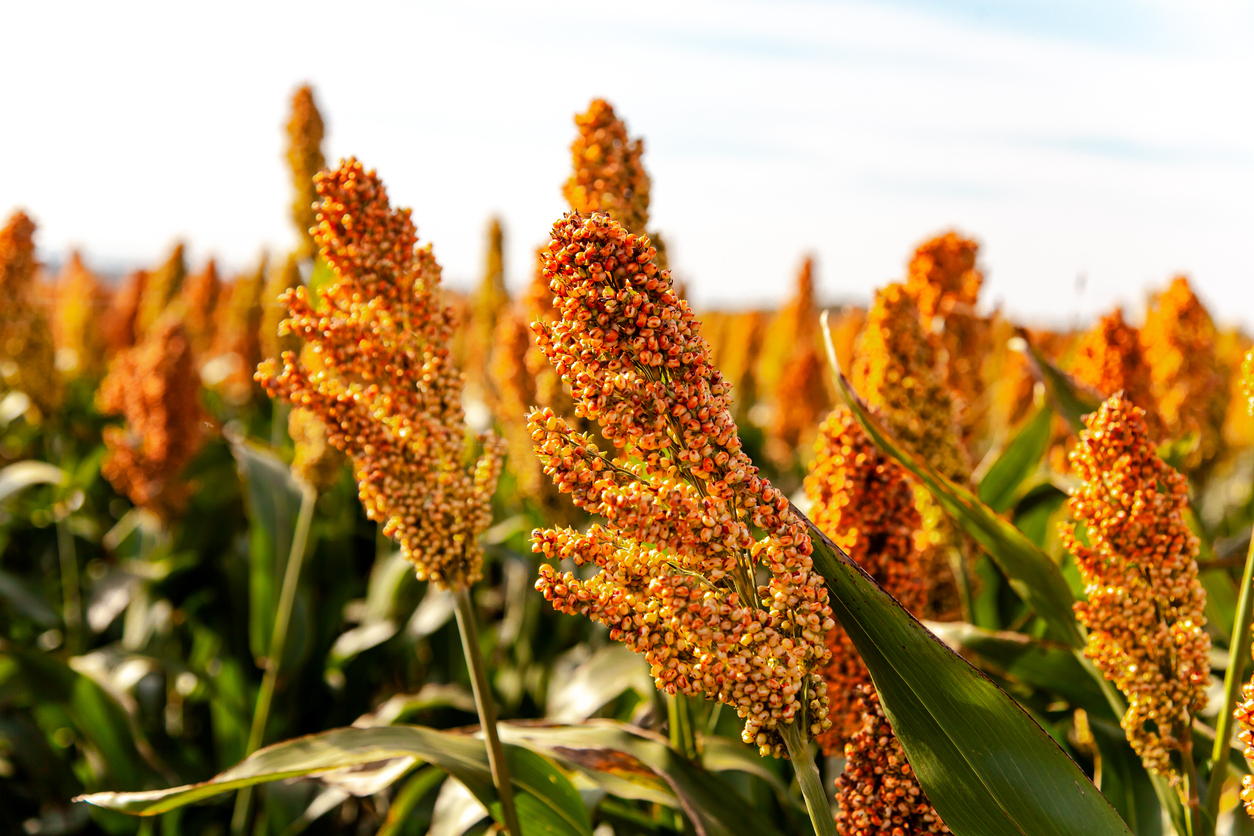
Researchers from the Chinese Academy of Sciences and Nanjing Agricultural University have identified a gene that could help improve the nutritional quality of sorghum. The findings of the study, published in The Plant Cell, offer a potential breeding strategy to increase grain protein and essential minerals while maintaining grain size and weight.
The study focused on SbSTP20, a gene that encodes a sugar transporter involved in moving simple sugars into developing sorghum grains. The researchers found that the gene influences the thickness of the sub-aleurone layer, a grain region associated with nutritional content. Using CRISPR gene editing, they modified SbSTP20 to examine its role in grain development and nutrient accumulation.
The study showed that edited sorghum lines developed thicker sub-aleurone layers, with 6.6-7.5% higher protein levels and increased iron and zinc content. The SbSTP20thick natural variant also improved grain nutrition without affecting grain size or weight. However, this variant was absent in 93% of modern improved sorghum lines. The researchers also found that sorghum carrying the variant had up to 6% higher metabolizable energy than commercial corn standards in swine feeding tests. These findings highlight the potential of reintroducing this haplotype to develop more nutritious sorghum varieties without compromising grain yield.
For more information, read the abstract from The Plant Cell.
| |
You might also like:
- Pocket K No. 27: Biotechnology and Biofortification
- Pocket K No. 54: Plant Breeding Innovation: CRISPR-Cas9
- Pocket K No. 5: Documented Benefits of GM Crops
Biotech Updates is a weekly newsletter of ISAAA, a not-for-profit organization. It is distributed for free to over 22,000 subscribers worldwide to inform them about the key developments in biosciences, especially in biotechnology. Your support will help us in our mission to feed the world with knowledge. Support ISAAA by subscribing as a Premium or Elite Subscriber
-
See more articles:
-
Plant
- Study Uses CRISPR to Optimize GABA Levels in Brown Rice
- Gene Editing Boosts Protein and Mineral Content in Sorghum
- Researchers Elucidate the Molecular Mechanism of Cold Tolerance in Pepper
- Biotech Crops: Global Trends and Future Directions for Vietnam
- Building Public Trust and Improving Market Access Could Strengthen Golden Rice Acceptance in the Philippines
- Global Impact of GM Crops and Opportunities for Malaysia's Agriculture and Trade
- EFSA Finds GM Soybean MON 94313 × MON 89788 Safe
-
Animal
- Prebiotic Feed Additive Offers a Sustainable Solution to Ruminant Methane
- Gene Drive Applications in the Lab and Beyond: Research Status and Potential Next Steps
-
Read the latest: - Biotech Updates (November 4, 2026)
- Gene Editing Supplement (October 28, 2026)
- Gene Drive Supplement (February 22, 2023)
-
Subscribe to BU: - Share
- Tweet